5 minute read

A look at how AbelCine and Diversified brought cinematic live workflows to House of Worship production using AJA ColorBox for real-time LUT-based color control.
We don't tend to cover the House of Worship (HOW) market that much, but it is an important one, especially in the US. US churches tend towards the media-centric and spend over $1bn a year on AV kit. This has been estimated to be half of the entire global HOW spend.
It's a rich market and drives a certain degree of innovation that can be usefully applied elsewhere in the production industry. So, with that in mind, we thought this case study about applying cinematic looks to live HOW broadcasting we got in from AJA using AJA ColorBox was an interesting read. Ed.
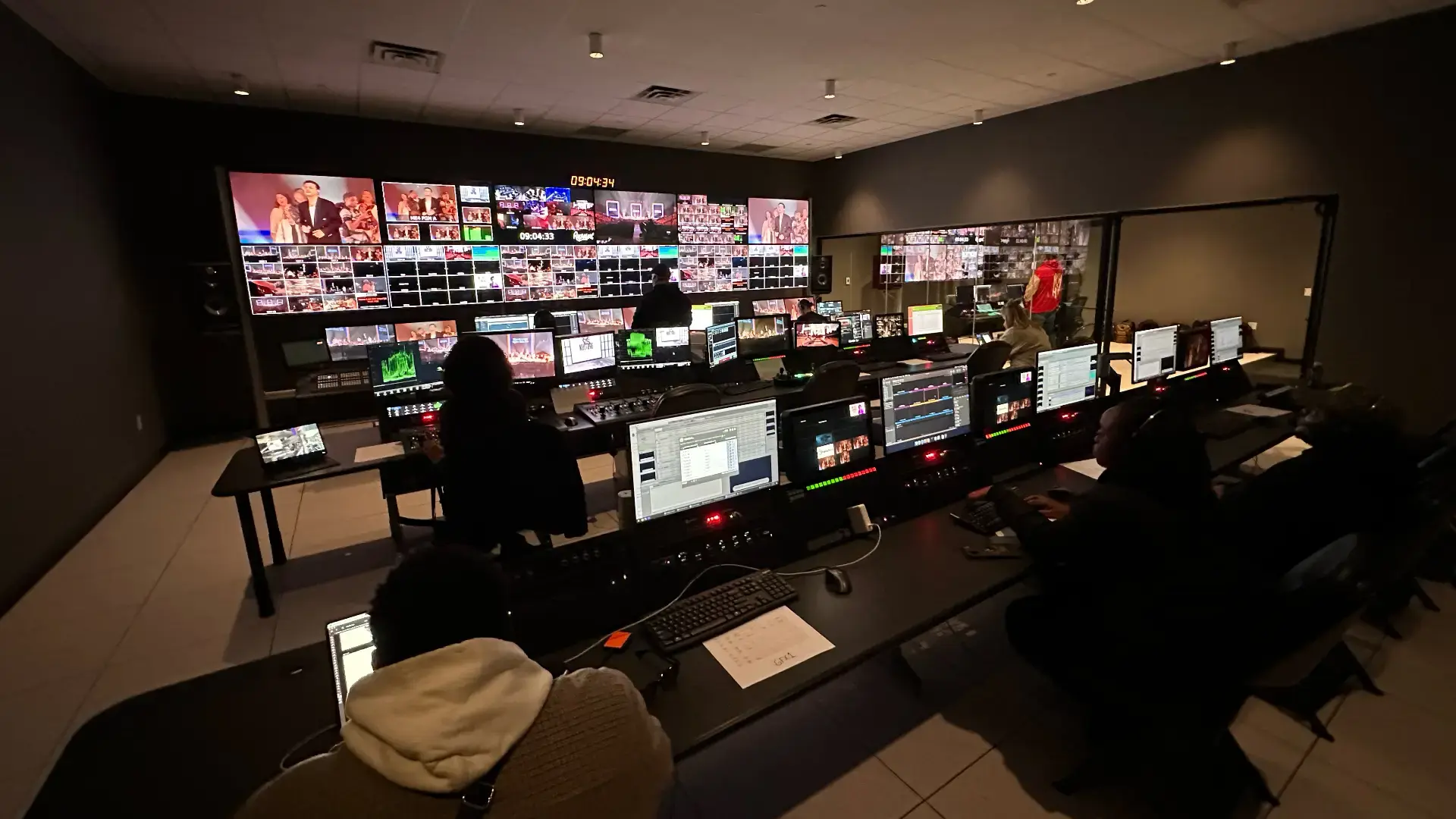
Cinematic storytelling has a way of evoking emotion and shaping audience perspectives that has grown increasingly attractive to houses of worship (HOWs) in recent years. As more faith-based organizations look to enhance the live content they share with congregants on campus and online, more are beginning to blend broadcast and cinema production practices with the help of specialists like cinematic video expert AbelCine and HOW production solutions provider Diversified. The two companies develop intuitive “cinematic live” pipelines tailored for faith-based productions, featuring live grading capabilities powered by AJA ColorBox and OG-ColorBox, among other technologies.
With the worlds of broadcast and professional AV increasingly converging, AbelCine established a “cinematic live” event production approach in 2017, which applied its decades-long cinematic production experience to live events. The approach blends cinema tools, cameras, and lenses in a live or live-to-tape workflow. Since launching the offering, which marries cinema front-end tools with a more traditional broadcast-style backend, AbelCine has deployed it for tentpole live events, such as the Big Game halftime show, major concert tours, and The Weekend Live at SoFi Stadium, among others.
Last year, Diversified recognized the potential of “cinematic live” for the faith market, which has increasingly begun to prioritize higher end content and opted to partner with AbelCine to reimagine church production.
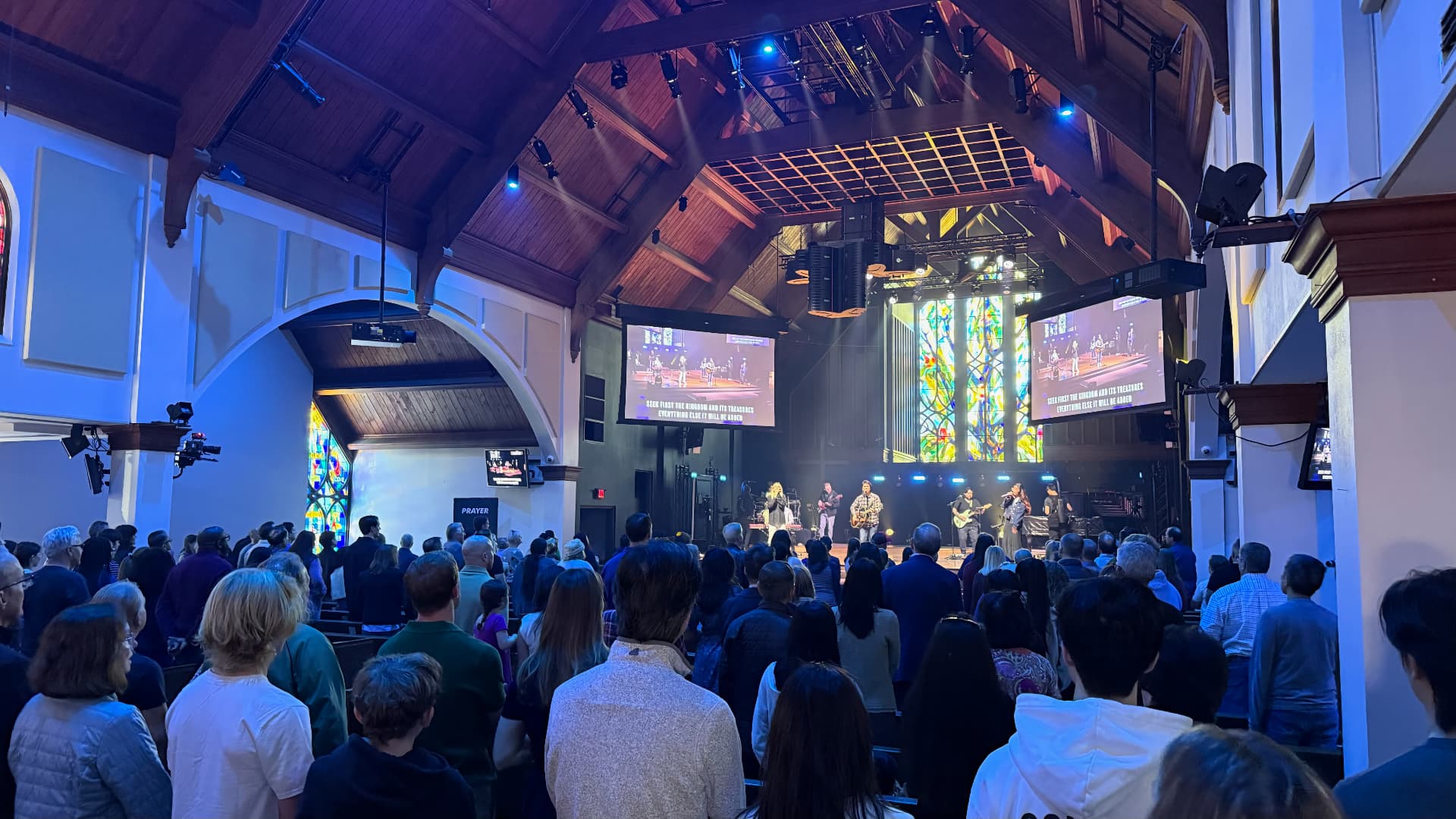
Rather than try to make cinematic production tools work within a live broadcast pipeline, Diversified and AbelCine set out to accomplish the reverse, infusing live production processes into a cinematic workflow. One of the ways this plays out is in the color pipeline. Historically, broadcast professionals use a remote-control panel, multi-matrix, scope, and chart to color a cinema camera output as one would with a broadcast camera. However, in cinematic production, color adjustments are often one of the last steps in the creative process, so AbelCine envisioned a robust LUT-based workflow for live production with AJA ColorBox at the heart.
This was born out of an “aha” moment when AbelCine and Diversified were consulting for a church in Oklahoma struggling with its color pipeline. The pastor had a vision and expectation for the church’s content to look as good as a concert special on a major streaming platform. Even with high-end production tools and lighting, LED walls, media servers, and a 4,500-seat arena, he found the quality lacking (As we said, media-centric. Ed.)
Diversified Vice President of Faith and Performance, Tim Corder, realized that they could leverage ColorBoxes or OG-ColorBoxes to apply LUTs to the HOW’s video switcher M/E (Mix/Effects) output, in addition to their traditional workflow, on a camera-by-camera basis. Initially, the client was hesitant to work with LUTs as they thought it would require more technical expertise, but they quickly found that it streamlined the camera “shading” process, previously a significant pain point. There were far fewer variables to tweak, and the end result looked so much better.
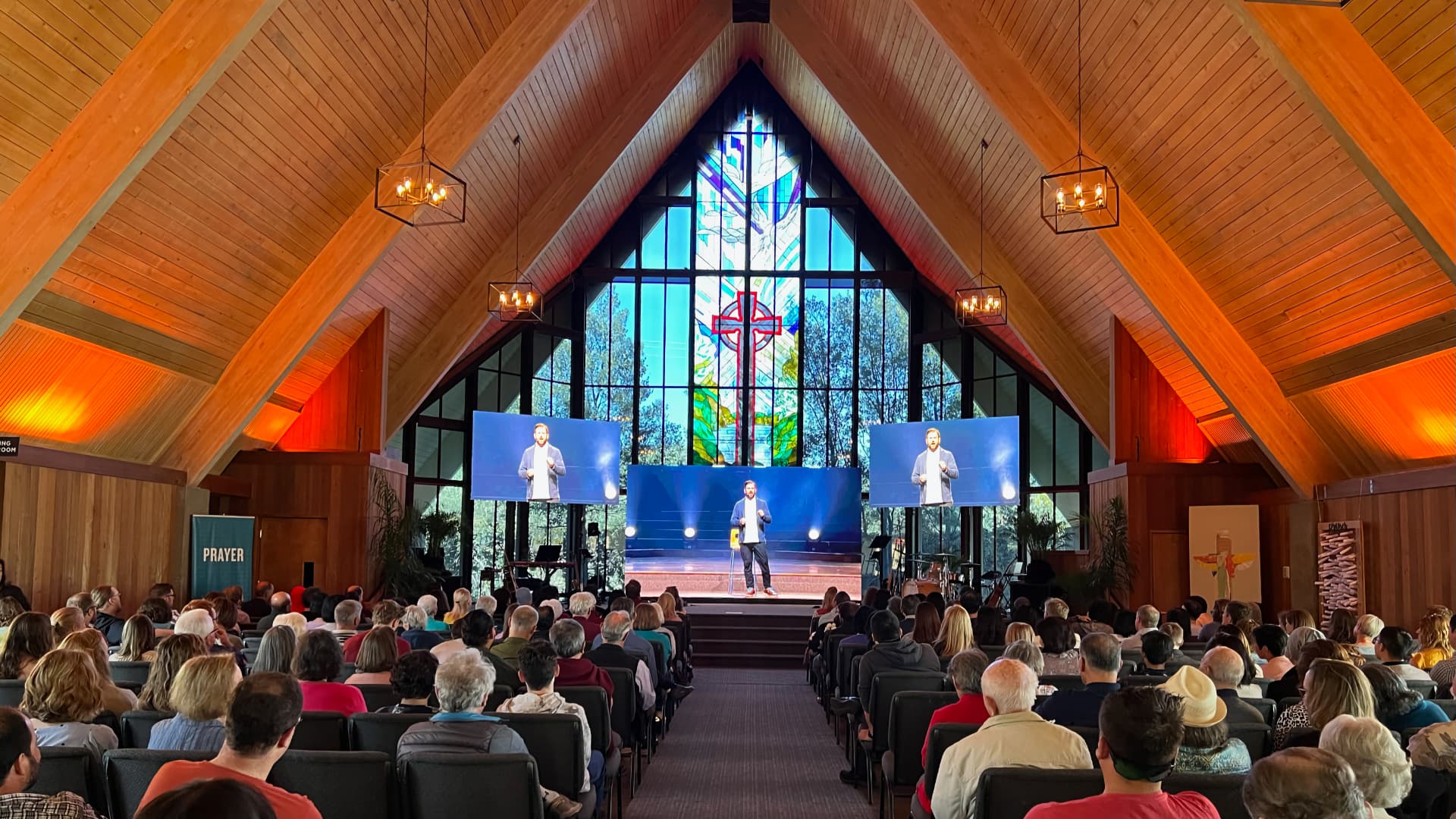
“On the first Sunday the workflow went live, we received texts asking what we were doing differently. They wanted to understand why there was so much more dynamic range and detail; adding the LUT-based workflow built on ColorBox was the only meaningful change,” explains AbelCine Director of Education and Product Specialization, Jeff Lee. “We turned off the color processing from the cameras, which had been outputting Rec2020 HLG HDR signals. Instead, we output log signals from the camera and introduced a LUT and color processing with ColorBox to handle all of the image details. Previously, there was so much variation from week to week in the content quality, but there’s now artistic consistency and the refinement of a unique branded image.”
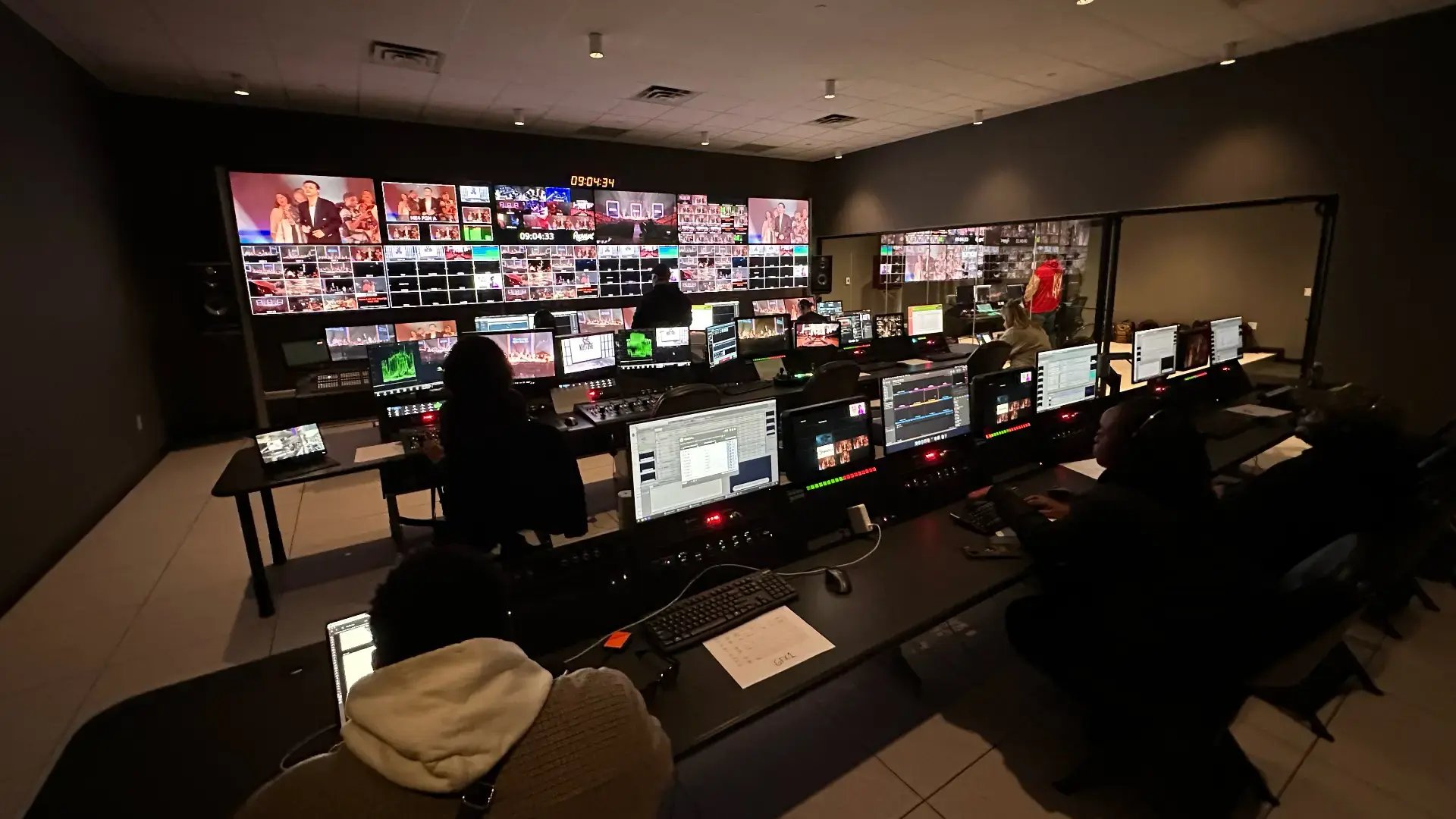
The pipeline took just three days to get up and running. AbelCine and Diversified asked for lookbooks and goals from the client ahead of time, then reviewed footage and the feeds coming off their cameras — native and log. They compared that to their end goal and worked with the client to establish their first LUT. Then, they installed the ColorBoxes, workshopped a couple of rounds, and began using them. Now they make adjustments weekly, based on the song choice or sermon mood, using a combination of Livegrade Pro software that manipulates the CDL in real time and the onboard proc amp within the ColorBox.
Their learnings from this project have informed every HOW workflow since, and they often install OG-ColorBox cards or standalone ColorBoxes across HOW installs. Many clients use them in both an M/E output workflow, or they buy enough to have one per camera and a couple of spares.
 Beyond enabling Diversified and AbelCine to ensure HOW teams can produce a unified, high-end look, ColorBox and OG-ColorBox support client live grading needs. Their customers can easily manipulate a LUT in real-time to make creative decisions, the same way many use audio plug-ins to manipulate their audio mix. For example, a church they work with on the West Coast recently introduced an introspective song during their Easter service with black-and-white visuals, then gradually incorporated color by manipulating the LUT in ColorBox as the song progressed.
“While we’ve had proc amps that function like ColorBox at a gross level for 20+ years, ColorBox is so much more intuitive and approachable for the teams that are using these systems. Ultimately, it comes back to the point that we're leveraging workflows that our users are already comfortable with,” explained Corder.
“It's also worth noting that we're just scratching the surface of what's possible within ColorBox. We're mostly using the 3D LUT mode in the AJA Color Pipeline and haven’t even gotten into the Colorfront features or any of the BBC or NBC style color pipelines. I think as folks get more acclimated to tools like this and transition from SDR to HDR / HLG broadcast, some of the other offerings will get utilized,” added Lee.
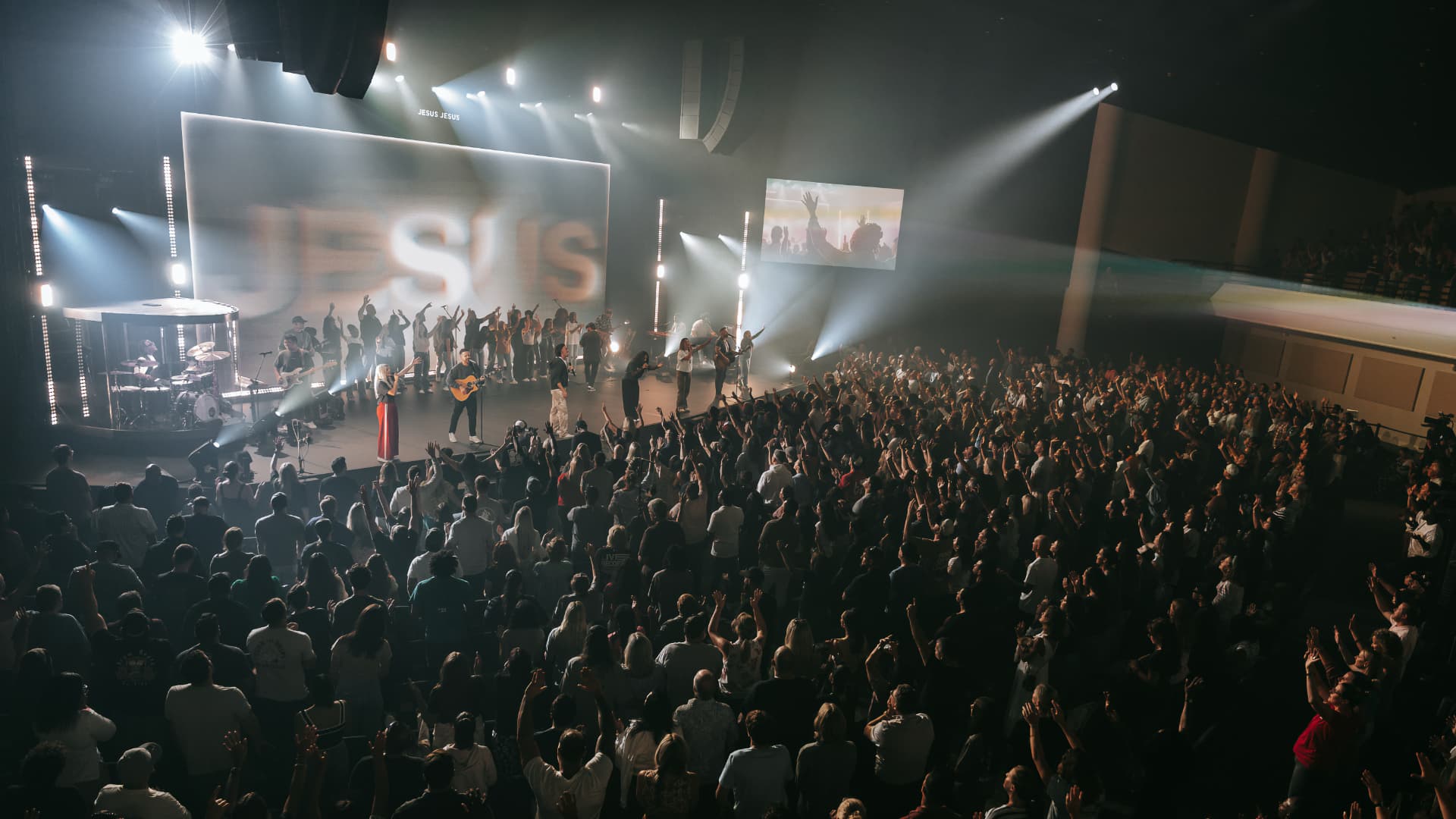
The technology has also opened up new opportunities for AbelCine and Diversified to deliver a High Dynamic Range (HDR) finished product that is approachable for nearly every client and budget if they want to explore it. “The ability of ColorBox to take a log video signal and put a LUT on it with nearly non-existent latency is special, as is its built-in down converter from UHD to HD. YouTube is the primary audience for most of our customers, and it provides a straightforward way to broadcast high dynamic range UHD cinematic video to audiences,” explained Corder. “It’s a far more affordable way to process the HDR feed, create a complementary SDR version, as well as down convert the UHD feed to HD for destinations within the system that require that signal than previous options available to us. We can build an advanced, cutting-edge broadcast at the very forefront of the industry by the inclusion of just a rack of oftentimes six to ten cards or devices bolted onto the rest of the video system.”
Lee concluded, “These devices have enabled an approachable workflow, regardless of the level of switcher or cameras you’re using. The technology translates beautifully and is platform and manufacturer-agnostic. That's part of the genius of the ColorBoxes and OG-ColorBoxes; they’re that critical glue. The gear may be important, but the workflow is what makes the difference on a day-to-day basis to make something achievable, and these tools have revolutionized the workflow.”
Find out more about ColorBox and OG-ColorBox, as well as other color management and conversion solutions from AJA here.
Tags: Production Live AJA Video Systems HOW


RedShark 2020 @ All rights reserved.

Comments