3 minute read

GoPro's $285 million sale to Starman Optical is being called a merger, but original shareholders end up holding just 10% of a combined company that will have a huge focus on making optical transcievers for the AI data center boom.
The latest twists and turns in the ongoing saga of the GoPro sale sees the company effectively sold to privately held optical-photonics company Starman Optical, Inc. for $285 million. It’s being presented as a merger, but the reality according to the financial press is that it is far more of a reverse takeover than anything. Starman's parent, Action Acquisitions, becomes GoPro's controlling parent. GoPro survives as the legal entity and keeps its Nasdaq listing, but original shareholders end up as minority holders owning just 10% of it.
GoPro's outstanding debt of approximately $92 million will be repaid in full at closing (estimated to be at the end of the year subject to regulator and shareholder approval), leaving the company debt-free after a decidedly rocky few years.
In an internal email to staff, obtained via SEC filing, Woodman described the deal as "a very positive path for GoPro, our employees, our customers and our shareholders," saying Starman is expected to bring "meaningful high margin revenue" to fund GoPro's expansion into new markets, and that further strategy details would follow after the deal closes. In a separate message to partners and suppliers, GoPro tried to reassure everyone involved with the company that day-to-day operations, products, and support "does not change" and that the current product lineup stays in production.
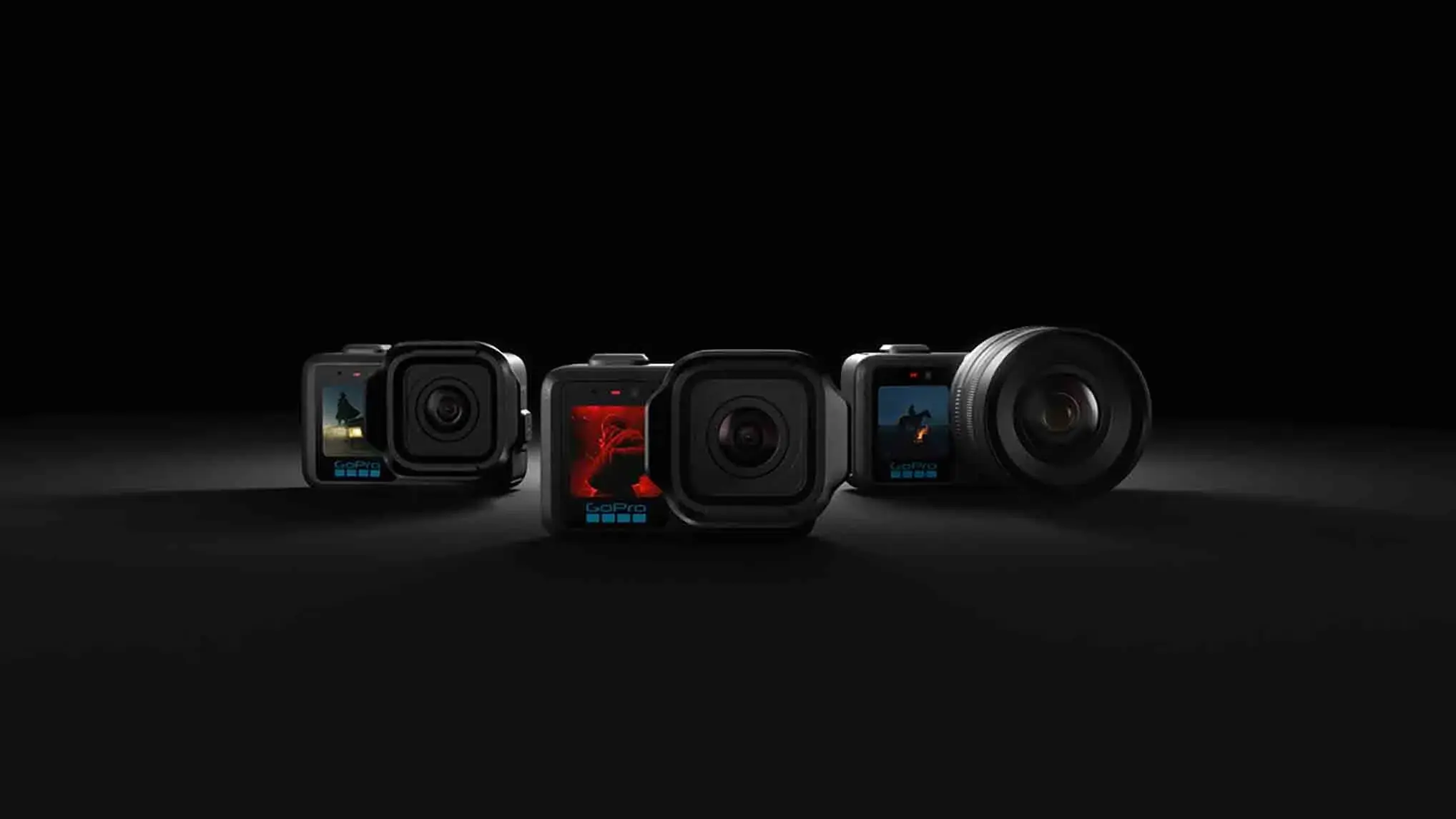
That’s good news for users, especially as GoPro has started delivering on products that are a genuine fit for the market in 2026 with the Mission 1 range. But nothing in the statements suggests this is a sale that will turbocharge development of the camera line.
Starman's US-manufactured optical transceivers will be added to GoPro's portfolio, extending the company into the currently booming optical transceiver market for AI data center infrastructure. As previously indicated by GoPro CEO Nick Woodman, the combined company also plans to pursue applications in defense, government, robotics, and aerospace markets.
[Update September 4: Woodman has published an open letter to the GoPro community designed to reassure them about what's happening.
"We plan to bring you more innovative cameras, smarter accessories, and more powerful software and services designed to make capturing, editing and sharing your experiences easier and more exciting than ever," he writes. "We see opportunities to improve the products you already love while developing new tools and experiences that help you create, connect and share in entirely new ways."
Unusually for a blog post, it also publishes with a lengthy disclaimer at the bottom acknowledging that "forward-looking statements are subject to risks, uncertainties, and assumptions." Make of that what you will...]
So, who is Starman? Good question, glad you asked. Starman Optical itself has a thin public track record to say the least, having been incorporated on August 31, 2026, one day before the merger was announced.
Starman New Photonics, meanwhile, the optical transceiver part of the business, is reportedly still building its first US factory in New Jersey while simultaneously launching products.
“These are roadmap targets, not production track records,” says XenoSpectrum of its plans. “The disclosures include no customer names, revenue figures, unit shipment volumes, or yield rates. What GoPro gains is not an established, highly profitable division, but rather the policy value of US-based manufacturing combined with growth potential that is still in its startup phase.”
In other words, the phrase “US-manufactured optical transceivers" in the release is doing rather a lot of heavy lifting. But the company is very much wrapping itself in the flag for both this and the action camera business it's just acquired. Even its optical transceivers are called the Liberty range.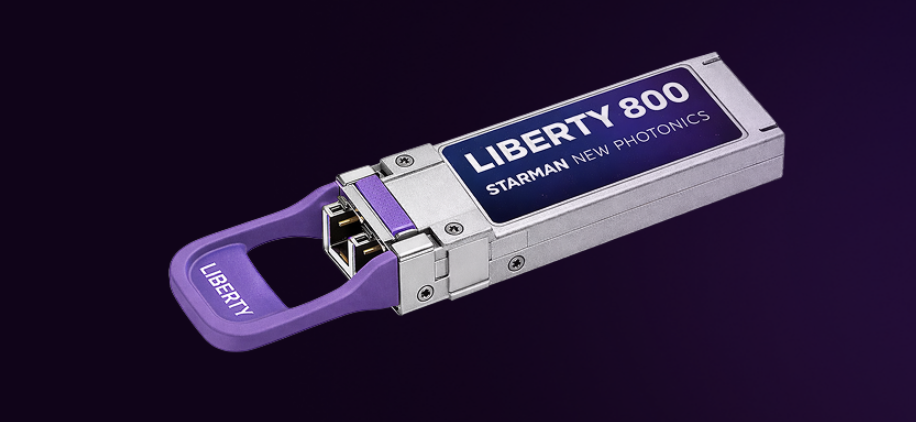
"Advanced optics and imaging are essential to AI, national security, and the broader economy, yet much of the critical hardware supporting these technologies continues to be manufactured overseas," said Charles Tebele, CEO of Starman Holding. "The combination of GoPro's optical expertise and intellectual property with Starman's transceiver capabilities and U.S. manufacturing platform creates an opportunity to bring production of these components back to the United States.”
There is one more slightly murky aspect to this whole affair worth talking about. At some point last week, YouTuber Mark "Markiplier" Fischbach became GoPro's largest individual shareholder, taking an 8.5% stake in the company. He then published a sponsored GoPro review without disclosing that fact; people only found out via an SEC filing that came out after the review.
GoPro's stock roughly doubled over the two trading sessions following the merger announcement before beginning to settle back down again (it peaked at $1.64). As yet, it is unclear whether Fischbach plans to hold his stake or sell up and trouser a significant profit or if he is in the deal for the long-term.
[Update: Fischbach says this is all a horrible coincidence. “There are people in the sphere that will also use my name to pump stock," he says in a YouTube stream that majors on a FNAF fangame. "They’ll do that. And I want to be very clear. There’s some confusion. I did not buy on Sunday. I did not buy at all Sunday. I had started collecting stock months ago, right? Months ago. Even the filing, the filing which is required by the SEC for public ownership, I filed that, or it was filed, August 20, which you can find on GoPro’s website. I started that process July 23, right? It just took a long time to get there.”]
Either way, long-term, despite Woodman’s assurances, it has to be said that there are likely questions remaining over what is now a minority action camera component of the new GoPro business.
Tags: Action cameras GoPro Mergers & Acquisitions


RedShark 2020 @ All rights reserved.

Comments