
1 minute read
Advertisement
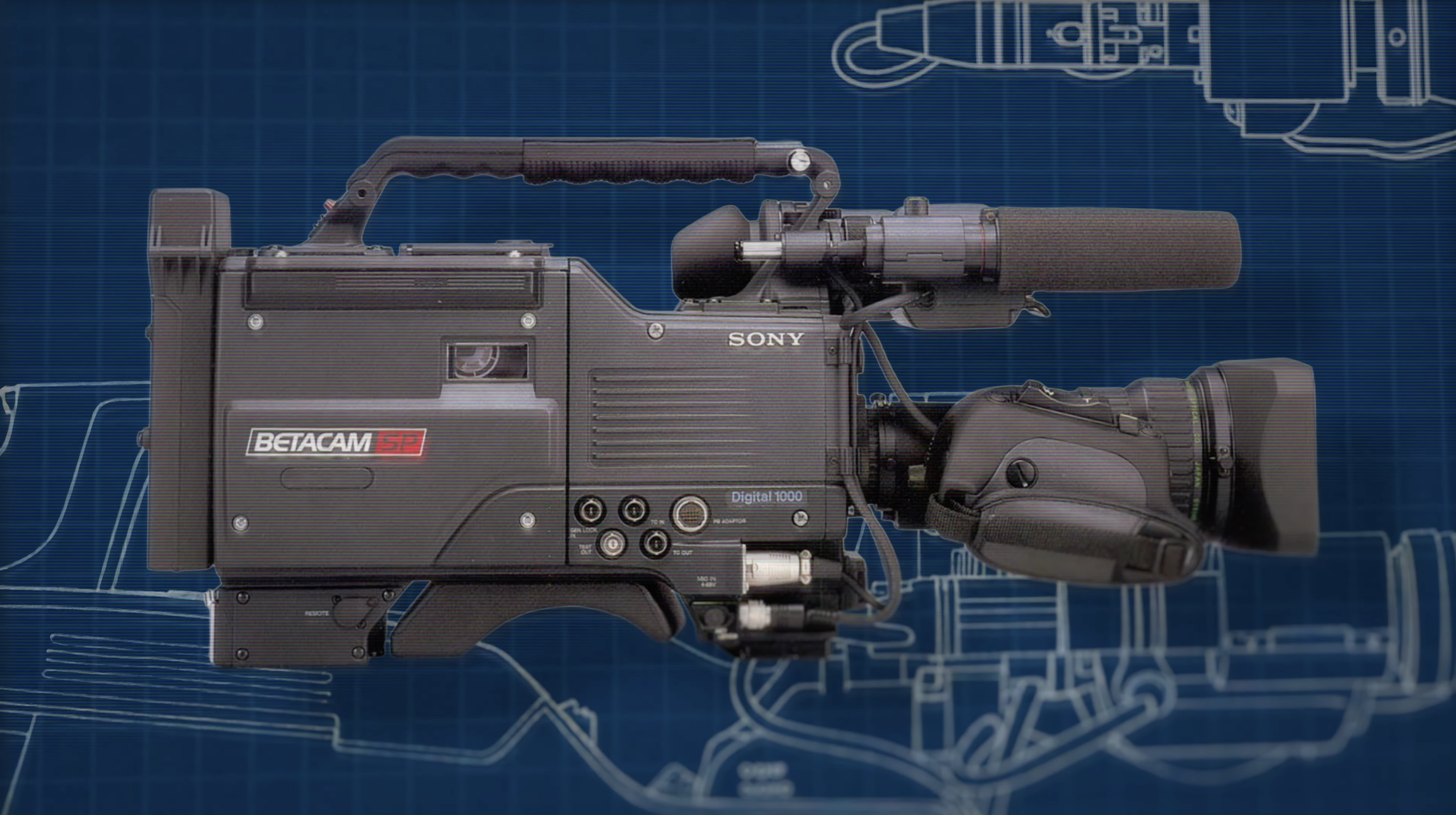
Back in the early 2000s, if you used a video camera of any sort, whether it was a home video camera or a professional ENG-style rig, it recorded to one type of format: tape. Then along came XDCAM.
Tape wasn’t just a recording format in the early 2000s, it was an entire way of working. Whether you were shooting home video or hauling a full ENG rig, everything ended up on something you could label, shelve, reuse (sometimes), and hand to an editor who (usually) knew exactly what to do with it.
There are wonderful stories about production teams running through the BBC's Television Centre and throwing tapes down the middle of stairwells to make it on air in time, but that's another story. The problem was that tape was also extremely linear: logging, ingest, and even playback meant shuttling back and forth in real time, producing multiple workflow bottlenecks all throughout the process.
Then along came Sony’s XDCAM Professional Disc. And then along came Panasonic's P2 too. As Simon Wyndham relates in his excellent video looking at the history of the ground-breaking digital format, what followed was a surprisingly fierce format war. On one side you had Sony’s XDCAM Professional Disc and on the other Panasonic’s P2 solid-state system. They both provided two very different answers to the same question: how do you bring file-based acquisition to professional production in the days before affordable flash storage was ready?
One format promised cheap, rugged optical media with an archival story. The other delivered speed, but at eye-watering costs and with new fears about data integrity. Both forced crews to rethink everything, from naming clips to managing dozens of files instead of a single tape.
It didn’t just change cameras. It changed the mindset of an industry and led to where we are now. Watch the full story below — it's a compelling one.
Tags: Production Sony Panasonic ENG Panasonic P2 XDCAM

Written by RedShark News Staff
Advertisement
Advertisement
Advertisement
Advertisement
Advertisement
RedShark is a multiplatform online publication for anyone with an interest in moving image technology and craft. With over 50 contributors worldwide, full-time developers, editorial, sales and marketing staff, it is the go-to site for informed opinion and know-how for the quickly changing video, film and content creation industries.

RedShark 2020 @ All rights reserved.

Comments