2 minute read

The Vera C. Rubin Observatory's 3,200-megapixel camera, the largest digital camera ever built, has started its ten-year survey of the southern hemisphere sky.
The Vera C. Rubin Observatory's 3200-megapixel camera, the largest digital camera ever built, has begun capturing images of the southern sky as part of the ten-year Legacy Survey of Space and Time (LSST).
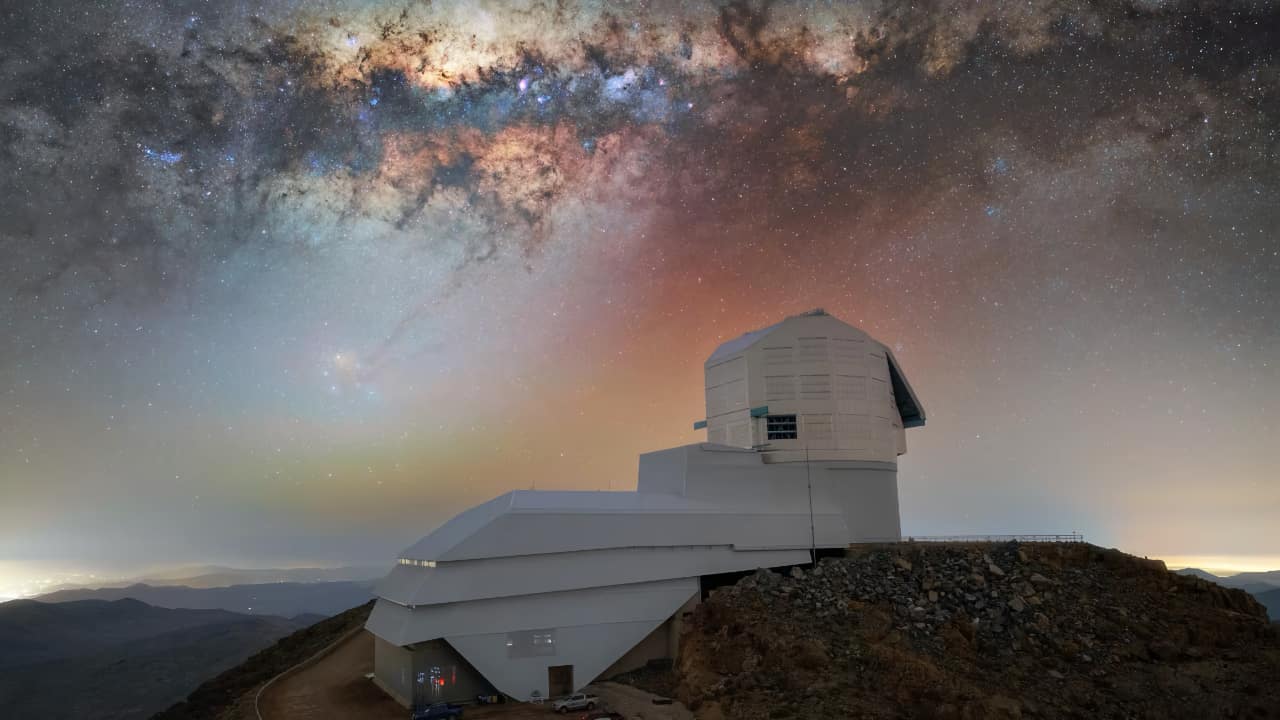
The car-sized camera, mounted at (to give it its full name) the NSF–DOE Vera C. Rubin Observatory on Cerro Pachón in Chile, is now producing a new image approximately every 40 seconds. Over the next decade it will scan the entire visible southern sky roughly every few nights, revisiting each point in the sky about 800 times to build a time-lapse record of the visible Universe.
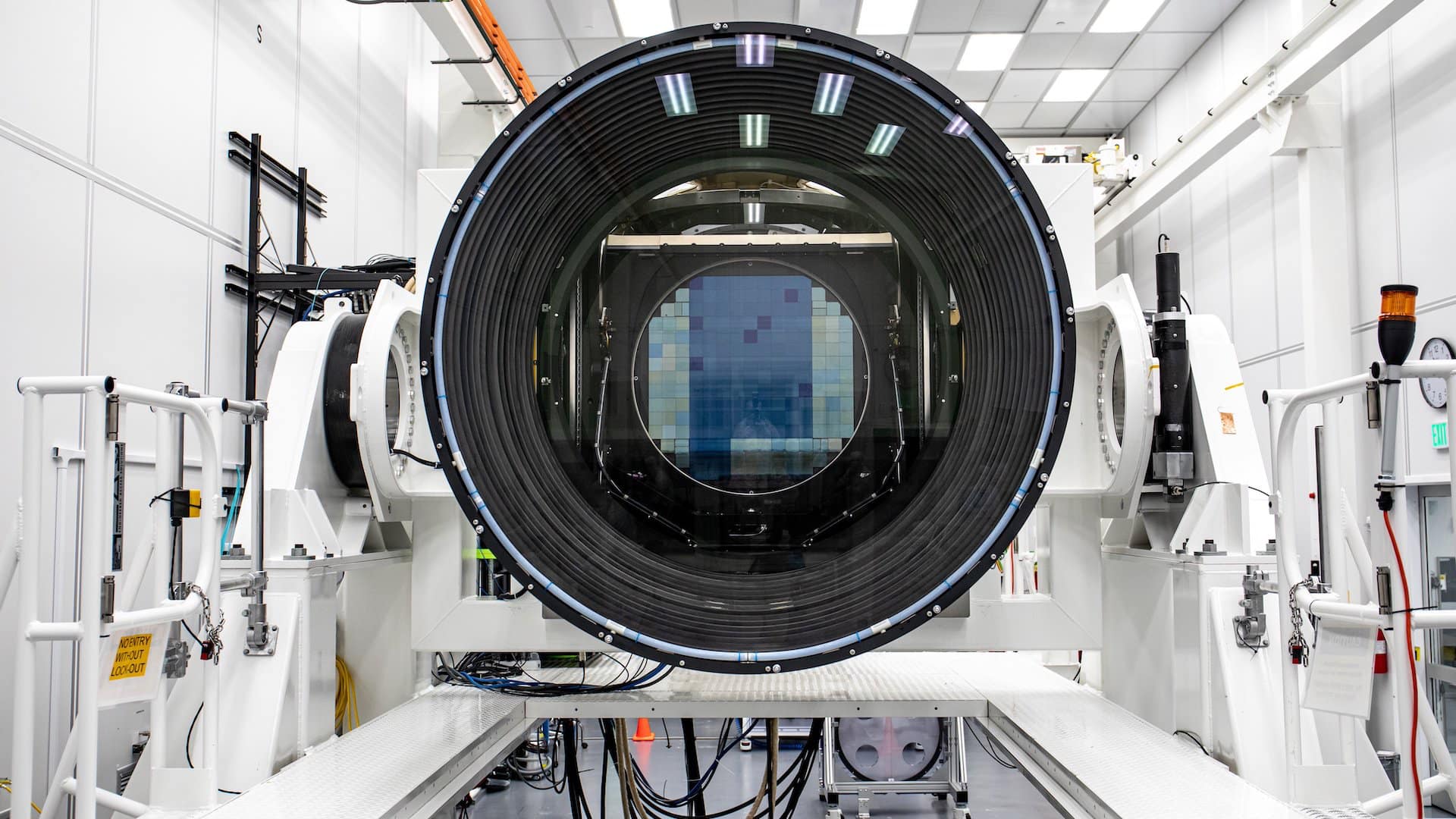 Image: Jacqueline Ramseyer Orrell/SLAC National Accelerator Laboratory
As we detailed when the first spectacular shots from the camera were shared last year, the camera was built by Ball Aerospace and Arizona Optical Systems and features a 1.57 metre (5.15 ft) lens that sits in front of an array of 189 CCDs operating at a cooled -100 C to reduce noise. It measures 1.65 x 3 m (5.41 x 9.84 ft), and weighs 2800 kg (6200 lb).
It's the largest digital camera ever made, though not the largest camera outright. That title belongs to a pinhole camera made from an airplane hangar that produced a photograph on canvas measuring 9.62 X 33.83 m (31ft 7 in x 111 ft) in 2006.
“According to the astronomers operating the LSST, it provides the sort of resolution that will enable you to capture a golf ball on the Moon,” we wrote last year. “Alan Shepard left two up there in 1971, so we look forward to someone booking the telescope time to prove that…”
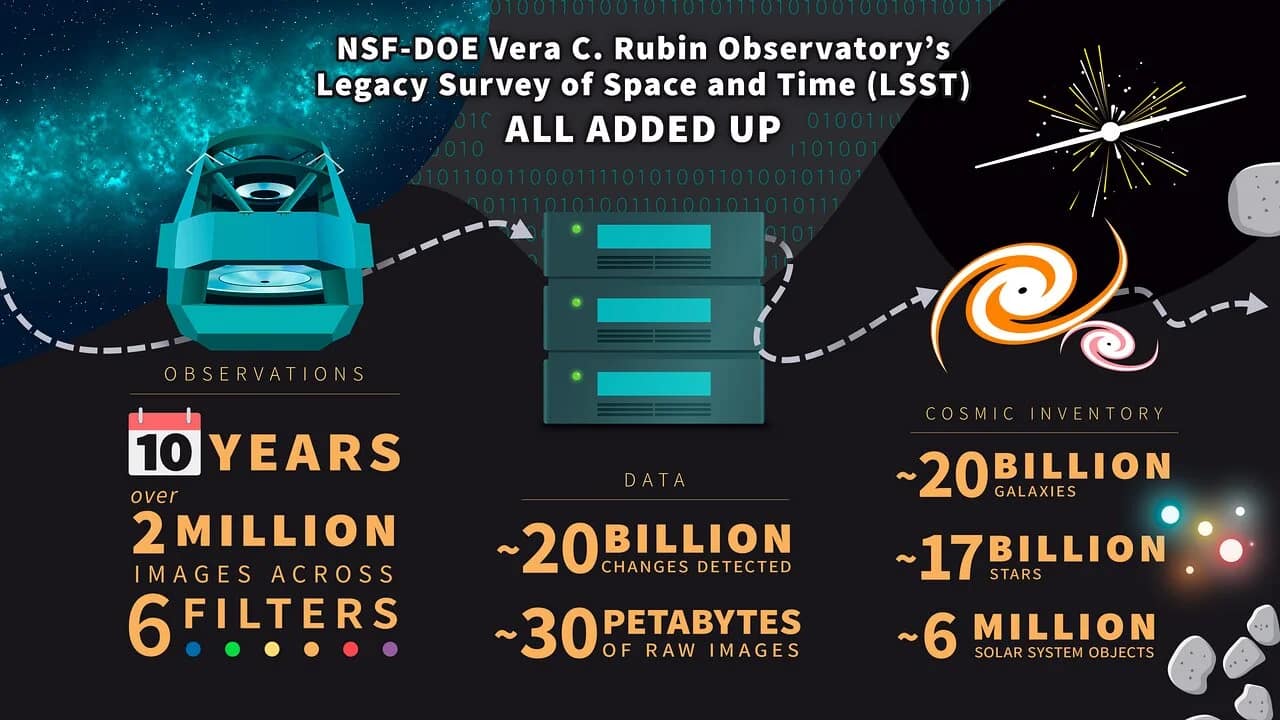
Each night the camera is expected to collect a massive 10 terabytes of data and generate up to seven million alerts flagging changes in the night sky, such as moving asteroids, exploding stars, or flaring black holes. These alerts are sent to automated alert brokers for classification so astronomers can follow up quickly.
During early optimization surveys, Rubin discovered more than 11,000 previously unknown asteroids in six weeks, including 33 near-Earth objects and 380 trans-Neptunian objects.
 Pic: NSF–DOE Vera C. Rubin Observatory/NOIRLab/SLAC/AURA
The start of the ten-year survey follows the Rubin First Look event in June 2025, which showcased the telescope and camera's first images, and a subsequent operational readiness review.
When complete, the LSST will produce a dataset containing billions of objects and trillions of measurements, to be released to the scientific community and public through regular data releases.
Tags: Technology Space


RedShark 2020 @ All rights reserved.

Comments