
2 minute read
Advertisement
Disney's new Infinity Vision cinema badge certifies existing premium screens as Avengers: Doomsday launches without IMAX. Here is what it covers and what it omits.
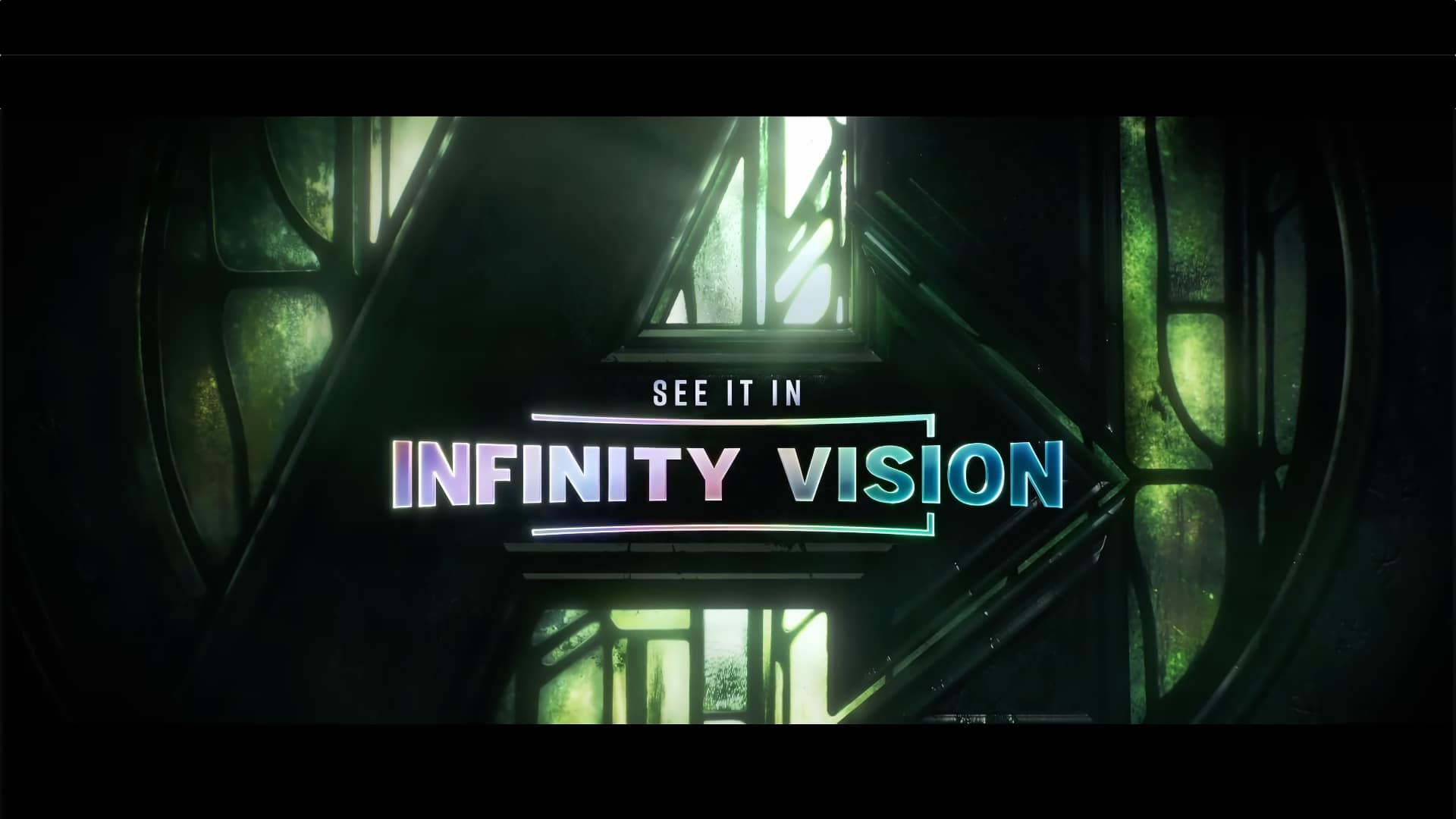
If you have watched an Avengers: Doomsday trailer, and they’re hard to miss at the moment, you will have seen the Infinity Vision logo. Disney announced the scheme at CinemaCon in April, and Marvel has been pushing it in the Doomsday marketing since July. Despite the format-like name, it’s a certification applied to existing premium large format (PLF) auditoriums.
You can thank Dune: Part Three for its timing.
Dune: Part Three opens on December 18, the same day as Doomsday, and IMAX has an existing arrangement with Warner Bros. and Legendary for the movie that effectively block-books IMAX theaters worldwide for three weeks (apart from China, where the situation is reversed for two weeks). So, much as Disney would like to be able to flood IMAX screens with its latest Marvel outing, it’s not going to be able to get into them until January.
IMAX is unimpressed. CEO Rich Gelfond told The Hollywood Reporter that Disney “created kind of a marketing vehicle called Infinity Vision”, adding: “It’s important to note there’s no additional screens. It’s just kind of a branding move on their part.”
Is that a fair criticism? Absolutely. Disney’s own release announcing the “format” stated that certified screens need “the largest screens for maximum scale”, “laser projection for superior brightness and clarity”, and “premium audio formats for fully immersive sound”. Disney has since put numbers on some of that: screens at least 13.7 m (45 ft) wide; 7.1, Dolby Atmos, or equivalent immersive sound; and brightness of 14 footlamberts (about 48 nits) in 2D and/or 6 footlamberts (about 21 nits) in 3D.
Fourteen footlamberts is the long-standing reference white level for digital cinema, so it’s nothing special in itself. Nor is there any word on other pertinent details such as contrast, color gamut, or aspect ratio. Back in June Disney reportedly received more than 7,500 applications from exhibitors worldwide for screens seeking certification, and has been busy reviewing those auditoriums ever since.
All this adds to a decent amount of existing consumer confusion. Disney’s head of theatrical distribution Andrew Cripps told TheWrap that there are roughly 320 premium format brands around the world. “We’re not asking [theaters] to abandon their brands,” he said, which, given that some of them are already firmly established (Cinemark XD, Regal RPX, Prime at AMC, and Dolby Cinema among them), is good of him. The Infinity Vision logo just gets added on top.
Given the marketing muscle of the House of Mouse, though, some of these brands are responding. Cinemark is upgrading about 200 standard auditoriums to XD, mostly moving them from 5.1 to 7.1 sound and adding some laser projectors, which will help it add the Infinity Vision logo too.
And moviegoers seem to be taking notice as well. The Avengers Endgame: Encore re-release in September was the first to feature the brand for real, and Disney says Infinity Vision screens took 52% of ticket revenue from what will certainly have been a smaller percentage of screens.
Doomsday presales look even more encouraging, both for the movie and for Disney’s badge. In early September, Disney said domestic presales had passed $50 million, with more than 70% of them for Infinity Vision screenings.
Disney is taking the concept and running with it. In October, Bloomberg reported that the company has pitched Paramount, Universal, Lionsgate, and Sony on using Infinity Vision for their own releases. The reported response is preliminary interest, with some studios waiting to see how Doomsday performs. So far, it seems, so good. As branding exercises go, this is potentially a rather good one.
Tags: Technology Hollywood Cinema

Written by Andy Stout
Advertisement
Advertisement
Advertisement
Advertisement
Advertisement
RedShark is a multiplatform online publication for anyone with an interest in moving image technology and craft. With over 50 contributors worldwide, full-time developers, editorial, sales and marketing staff, it is the go-to site for informed opinion and know-how for the quickly changing video, film and content creation industries.

RedShark 2020 @ All rights reserved.

Comments