5 minute read

With Netflix's Clips, Disney's Verts, TikTok, Instagram Reels, YouTube Shorts, and more, the professional video ecosystem is finally treating 9:16 as a first-class deliverable. Here's where cameras, monitors, and NLEs stand in mid-2026.
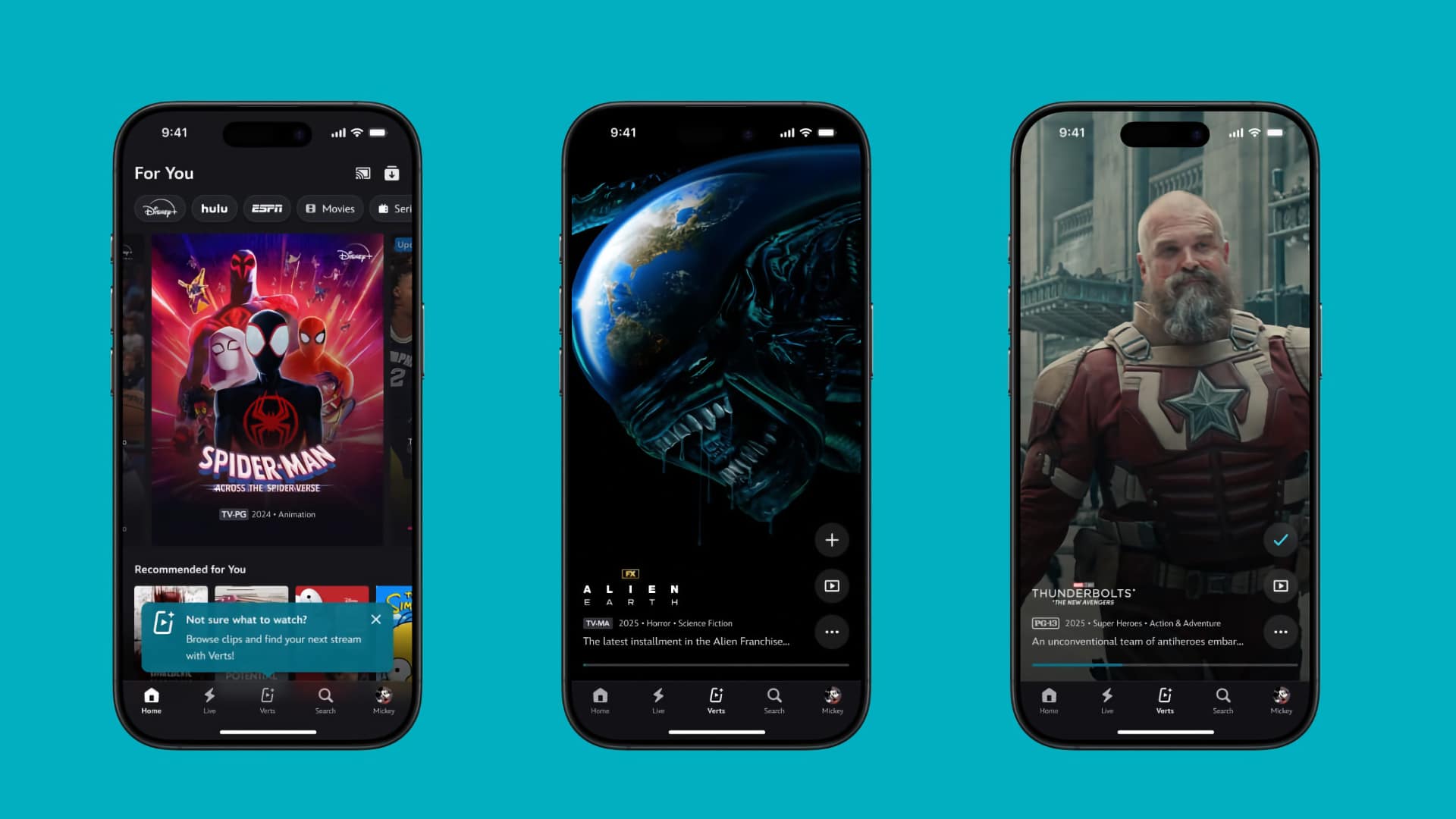
If you needed a single moment to mark vertical video's arrival as a mainstream professional concern, April 30, 2026 is a reasonable candidate. Netflix built its reputation on prestige widescreen drama, but at the end of April it launched Clips: a vertical video feed built around the way people actually use their phones.
It's not an outlier either. Clips has joined Disney+, Paramount+, and Peacock, all of which are testing or have just launched similar vertical features as the major streamers chase viewers out of their living rooms and onto their phones. Netflix had experimented with vertical formats before (Previews in 2018, Fast Laughs in 2021) but Clips is a wider expansion, encompassing all genres of the streamers' output with a heavy focus on personalization.
Add in the explosion in microdramas that we've seen recently, and it's easy to see that TikTok, Instagram Reels, and YouTube Shorts have redrawn the aspect ratios for an entire generation. This, of course, is not the first time we've talked about it (we memorably referred to it as spreading round the globe like COVID-19 in 2021). But what's changed in 2026 is that the professional production ecosystem seems to be finally treating 9:16 as a first-class deliverable rather than something you sort out in post. Here's where the tools currently stand.
The traditional professional workaround for vertical delivery has been open gate recording. You shoot with the full sensor height captured, then reframe in post. It works, sure, but it has several issues associated with it. You're deciding the composition after the fact, and depending on your camera's native resolution, you may be sacrificing meaningful image quality by the time you've cropped to 9:16.
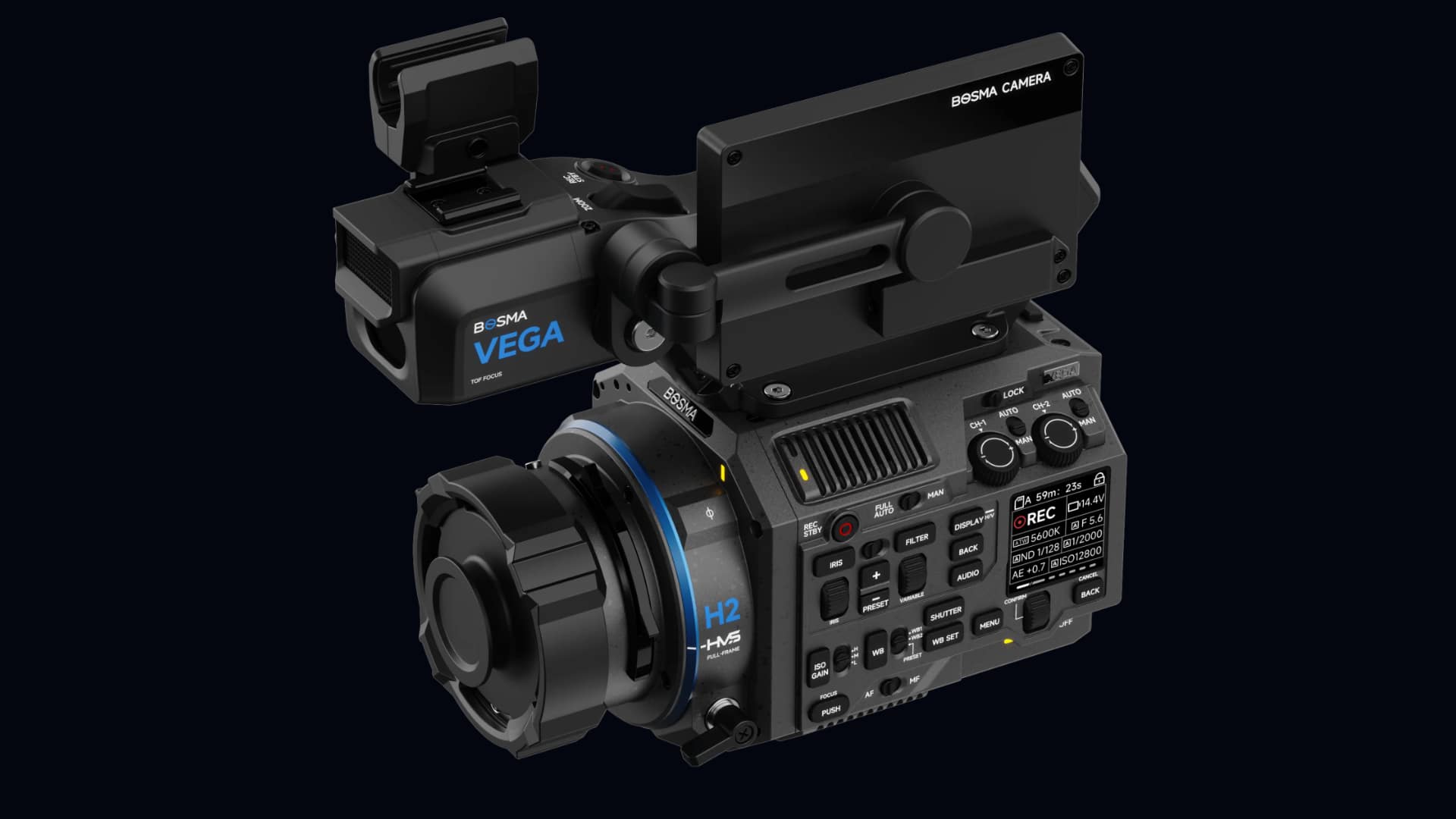 The more committed hardware answer is orientation switching at the sensor level. The Bosma VEGA H2, one of the most discussed cameras at NAB 2026, does this with its patented HVS (Horizontal Vertical Switching) system. The CMOS sensor, lens mount, and lens rotate 90° in sync, with the camera UI adapting instantly, giving you full-pixel capture in either orientation with zero crop loss. It's a 6K full-frame cinema camera priced at $4999, aimed at solo documentary, live streaming, and short-form narrative work, shipping in July.
It feels rather Rube Goldberg/Heath Robinson, but the VEGA H2 is potentially important because it treats 9:16 as more than just something that needs to be fixed in post. That said, it faces the usual questions that come with any camera from a newer manufacturer: lens ecosystem, support infrastructure, and whether real-world performance matches the spec sheet. As far as we know, the major manufacturers are not rushing to release similar models.
There is, of course, a device that has had a fully native vertical video workflow since long before any of this gear existed: your smartphone.
iPhones and Android flagships shoot native 9:16, have portrait-first UIs by design, and let you edit and deliver from the same device without touching an NLE. The professional ecosystem has spent years retrofitting a vertical picture format that the phone treated as default from day one.
That sharpens the question of what "professional vertical" actually needs to mean. In many cases it means greater control over depth of field, dynamic range, audio quality, and color science than you get from a vanilla spec phone. These are areas where dedicated cameras still have an edge, though the increasing amount of software and hardware tools available for ever-more-capable devices make this argument wobbly to say the least.
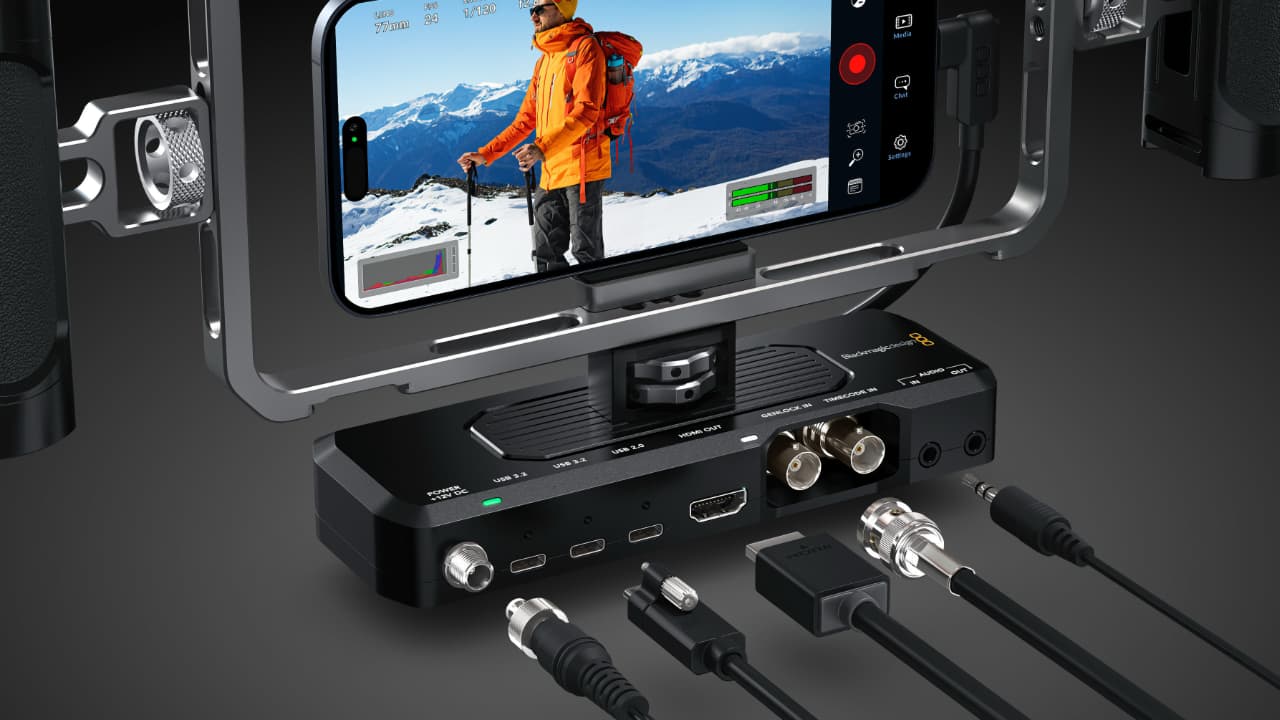 By the time the iPhone 18 Pro is released in a few months' time with greater video capabilities than ever, it might well be a completely moot point. As we've pointed out before, yes, you have to rig an iPhone to quite an impressive degree to make it useful for anything such as moviemaking. But the tools, such as the Blackmagic ProDock, are there and it can, and is, being done.
That said, even the phone workflow has edge cases. The DualShot Recorder app, which hit number one on the iOS App Store shortly after launch, exists because shooting portrait and landscape simultaneously from a single take is a real-enough problem to build a product around. It captures 9:16 and 16:9 from your iPhone's dual rear cameras in one pass, delivering two synced files directly to your Photos library.
The monitoring side of vertical production is, interestingly, ahead of where the NLE situation currently stands. Two products covered on RedShark recently make the point.
SmallHD's PageOS 6.3 update, released in January, added a a dedicated Portrait Mode; a fully redesigned UI for vertical content monitoring, with menus laid out for portrait rather than being a landscape interface tilted on its side.
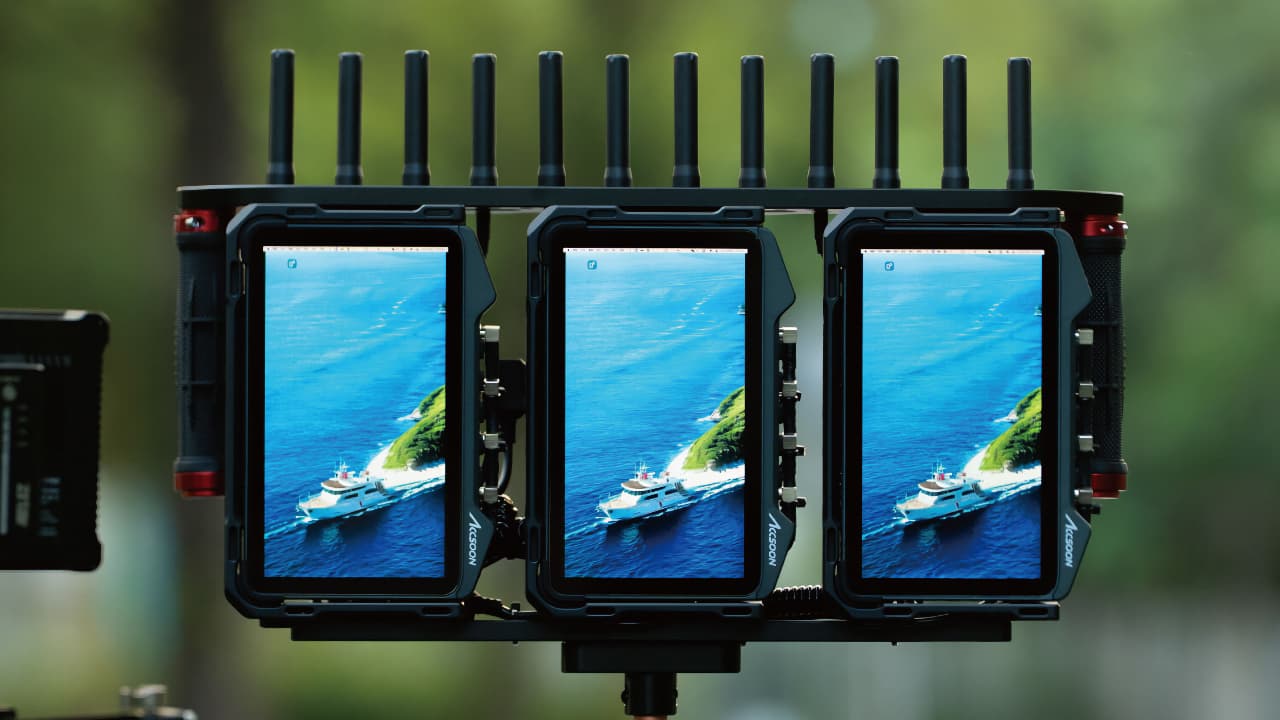 Accsoon's CineView M7 Pro Triple-Monitor Kit takes a hardware-first approach to the same problem. This features three 7-in wireless monitors, 1920 x 1080 touchscreens at 1000 nits brightness, bundled into a single V-mount-powered cage. The kit was designed specifically for vertical multi-camera work, a different proposition from the usual adapted landscape rigs. That it exists as a purpose-built $2,999 product, rather than a modification or accessory, is itself a decent signal about where the market is moving.
Between these two, you have the software layer (SmallHD rethinking its UI for portrait) and the hardware layer (Accsoon building a dedicated vertical rig) both moving in the same direction at the same time. We'd expect more to be released in both categories as the year goes on.
The major NLEs can all handle vertical projects, but as anyone knows handling it, and being fluent in it, are different things. The underlying issue is that every mainstream NLE was designed around a widescreen monitor and a horizontal timeline, and those assumptions run deep.
Adobe Premiere Pro is probably furthest along for social-first vertical delivery. Auto Reframe analyzes clips and repositions the frame to keep the subject in shot when converting from 16:9 to 9:16. It does a reasonable job via generating positional keyframes that can be adjusted manually in the Effect Controls panel. More recently, Generative Extend, generally available since mid-2025 with 4K and vertical video support, can add photorealistic extra frames to clips without manual reframing.
Premiere also has direct social publishing integration, letting you export and post to TikTok, YouTube, and others without leaving the application.
As is the way of all things Adobe at the moment, we'd expect further AI tools to be rolling out here in coming months, especially to refine that automatic reframing.
DaVinci Resolve has supported vertical project resolutions since version 18.1 way back, with a "Use Vertical Resolution" toggle in timeline settings. What it doesn't have is a genuinely redesigned workspace for portrait editing, even though the community has been requesting it for years. What is needed is for the program monitor to shift to the side so a 9:16 frame doesn't sit as a thin letterbox in the center of a widescreen display.
Final Cut Pro handles vertical projects cleanly and is frequently cited for fast social turnaround, particularly by creators working in Apple ecosystem workflows. The same widescreen UI assumption applies, though FCP's magnetic timeline arguably makes quick vertical cuts less painful than more overtly track-based alternatives.
Despite the growing prevalence of 9:16 work, to be honest we are unlikely to see the ecosystem grow to match that of 16:9 no matter how voracious the market becomes. The obvious fact is that it is far easier to frame for landscape and extract a portrait out of that, than it is to run the workflow the other way round. And no matter how popular Clips and its ilk becomes, the widescreen TV and the cinema screen it is coupled with is not about to disappear anytime soon.
What we will see are a growth in niche tools that meet the edge cases where native 9:16 is required, and hopefully a steady refinement in those that can justifiably be put at the center of both workflows.
Tags: Production Vertical Video


RedShark 2020 @ All rights reserved.

Comments