5 minute read

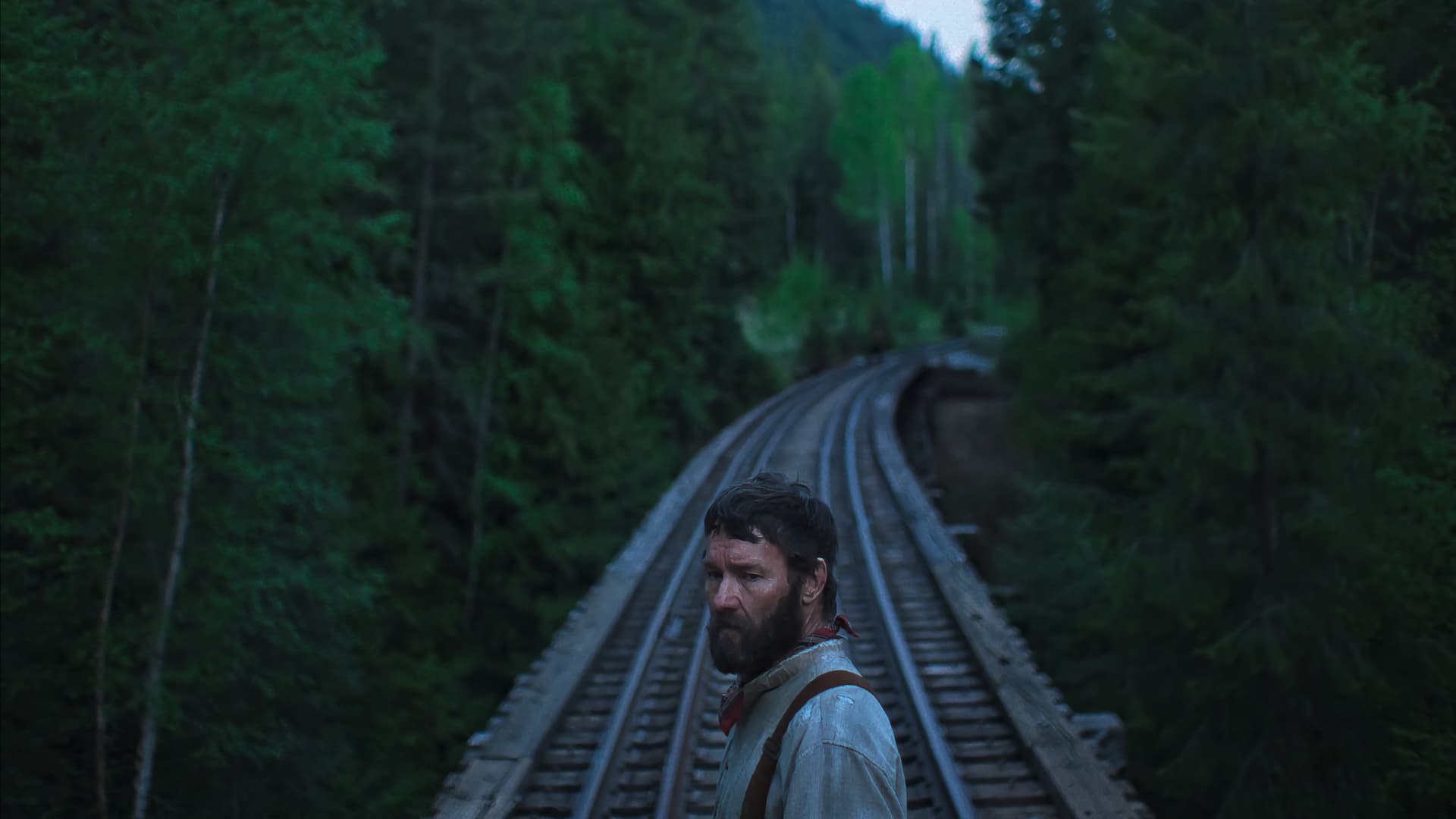
Clint Bentley's Train Dreams was one of the standout films at last year's Sundance and is currently up for four Oscars. Editor Parker Laramie discusses how the movie came together at his house in LA. "We’d hop online every morning, and cut until it was time to put the kids to bed."
Train Dreams was one of the standout indie movies of 2025, a hit at Sundance, a hit on Netflix, and currently nominated for four Academy Awards including Best Picture and Best Cinematography. That it didn't pick up a Best Editing nomination too feels like a bit of an oversight, as it weaves its retelling of Denis Johnson's 2011 novella of the same name.
It was edited by Parker Laramie in close collaboration with director Clint Bentley, sometimes over Zoom and memorably also over an intense few days at Laramie's home in LA. Here he tells RedShark how he brought the film to life.
RedShark: How did you first get involved with Train Dreams? What drew you to it?
Parker Laramie: I was drawn to the project and got involved because Clint Bentley was directing, and I’d cut his first film (Jockey, 2021). We’d really bonded while cutting that film for no money in my spare bedroom of my apartment, and we were excited to work together again.
How did you work with director Clint Bentley? What workflow did you establish to handle the film?
The budget was much higher than his first film, but still quite low by feature film standards, so we cut out of my house again. We mostly cut remotely, using a combination of Zoom and Louper, but he also came to my house in LA for a few days for some in-person time. We’d hop online every morning, and cut until it was time to put the kids to bed. Then sometimes we’d jump back in and work late into the night.
What were the main challenges you faced? What editing techniques and processes did you use to meet them?
The biggest challenge was telling a story over an entire lifetime of a man who is very reserved and says very little. I’ve edited a lot of documentaries, where we’re finding the story in the edit mostly through restructuring and finding new connections every day in the footage, so restructuring scenes is the technique I most often turn to when things aren’t sitting right.
The first five minutes was almost completely rewritten in the edit - many of the moments in the beginning of the film were originally much later downstream. But frontloading the film gave us a sense of who this mostly silent, reserved man was so we could connect with him emotionally before he witnesses the tragic event at the top of the film that changes the course of his entire life.
However, we found that front loading a lot of information like that also overwhelmed audiences a bit - so in the last few days of the edit we added a scene we had also cut from later in the film - the Passageways sequence at the very top of the film. It gave us a chance to have something a bit more poetic and soft, to invite audiences to lean in a bit before getting taken on a ride through the first few decades of Robert’s life.
 Name two things: your favorite scene in the movie and the most difficult one to cut. Why these two in particular?
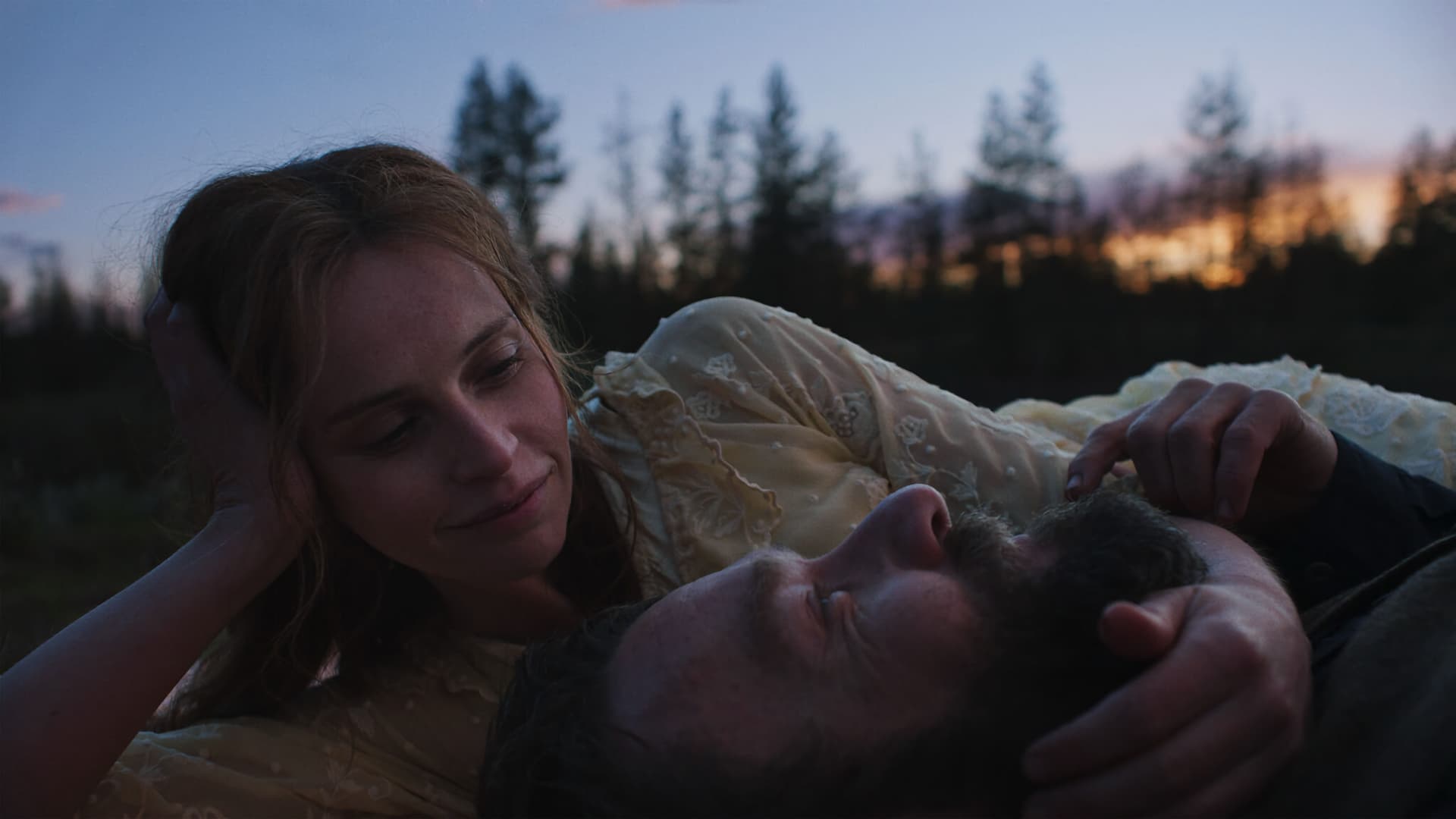
I’m probably most proud of the opening of the film. While the version that was scripted was incredibly beautiful, I love where we landed with it and I feel proud of what I brought to the table in terms of making it work. Working with Clint to craft Robert’s backstory through narration and pirating shots from other parts of the film, and then the cherry on top of the poetic Passageways opening were all experiments that ended up being incredibly rewarding, and really make the film what it is for people I think.
The most difficult scene to cut was probably the scene where Robert bursts into tears after Ignatius Jack shoots an elk in the burnt-out forest in the middle of the film. They were very limited with what they could shoot on the day - it was emotionally draining, the sunlight was limited, and they didn’t have the budget for a proper Elk carcass. So we basically had one take to work from, with some random coverage they were able to grab before the light changed too much.
Eventually we decided to bring in the flashback of Gladys hunting before the forest fire, followed by a series of other shots that carry us through the early days of their courtship. On a basic level it puts you inside Robert’s memories and earns his emotional breakdown more - and gave us the flexibility to trim the scene down to its most powerful moments. But on a deeper level it ties together a lot of loaded imagery with colors and sounds that we return to throughout the film, both before and after this moment, that remind us of the warmth Robert feels for Gladys and his family. We really feel his pain there in a way that only film can really do.
When we figured out that puzzle piece very late in the edit, it really made the whole film sing in a completely new way.
How did the movie evolve? How differently do you see it compared to when you first started?
The first cut, like many first cuts, was almost twice as long as the final film. We completely dropped scenes, cut them in half, or repurposed moments to be a fraction of what they originally were when they were shot. To be honest, I’m not sure I would recognize the first cut at this point. There are probably some gems in there, though - but they just didn’t belong in the end.
 You edit using Adobe Premiere. What do you like about using it?
I love working with audio in Premiere. It’s very fluid and intuitive to quickly adjust levels, and it handles multiple layers of audio effects without needing to render any of it. It’s also incredibly simple and quick to stretch or compress audio timing without changing the pitch, which I use frequently when editing music.
Apart from Premiere, what other tools do you use and why?
On this film I also utilized Resolve quite a bit. For budgetary reasons I also managed the final conform (albeit somewhat clumsily, since it’s not normally something I do), and we made some tweaks to the edit even after color and VFX were complete and the film had been screened at Sundance. The very last tweaks we made I did directly in Resolve, so we wouldn’t have to bother with reconforming anything.
Any new Premiere features released recently that have impacted your workflow?
I haven’t gotten a chance to play with it yet, but I’m looking forward to utilizing the new compositing tools. My vfx skills are very crude and rudimentary, but it looks like the newest features will make temp comps more within reach for me while I’m trying to piece together a scene and make it presentable before handing it off to a proper artist.
How has editing changed over the course of your career? Trends, tools, timeframes: what is different now compared to when you started?
I’ve been editing for over a decade - but I’m not sure I’ve seen real substantial change yet during the course of my career. But I expect to see quite a bit in the next few years for sure.
Finally, what’s next? What is the next project we will see your work on?
I’m currently cutting a film for Netflix called Saturn Return. I’m working with director Greg Kwedar again, who also worked with Clint and I on Train Dreams and who I’ve done a lot of films with over the last decade.
Tags: Post & VFX Interviews Editing


RedShark 2020 @ All rights reserved.

Comments