1 minute read

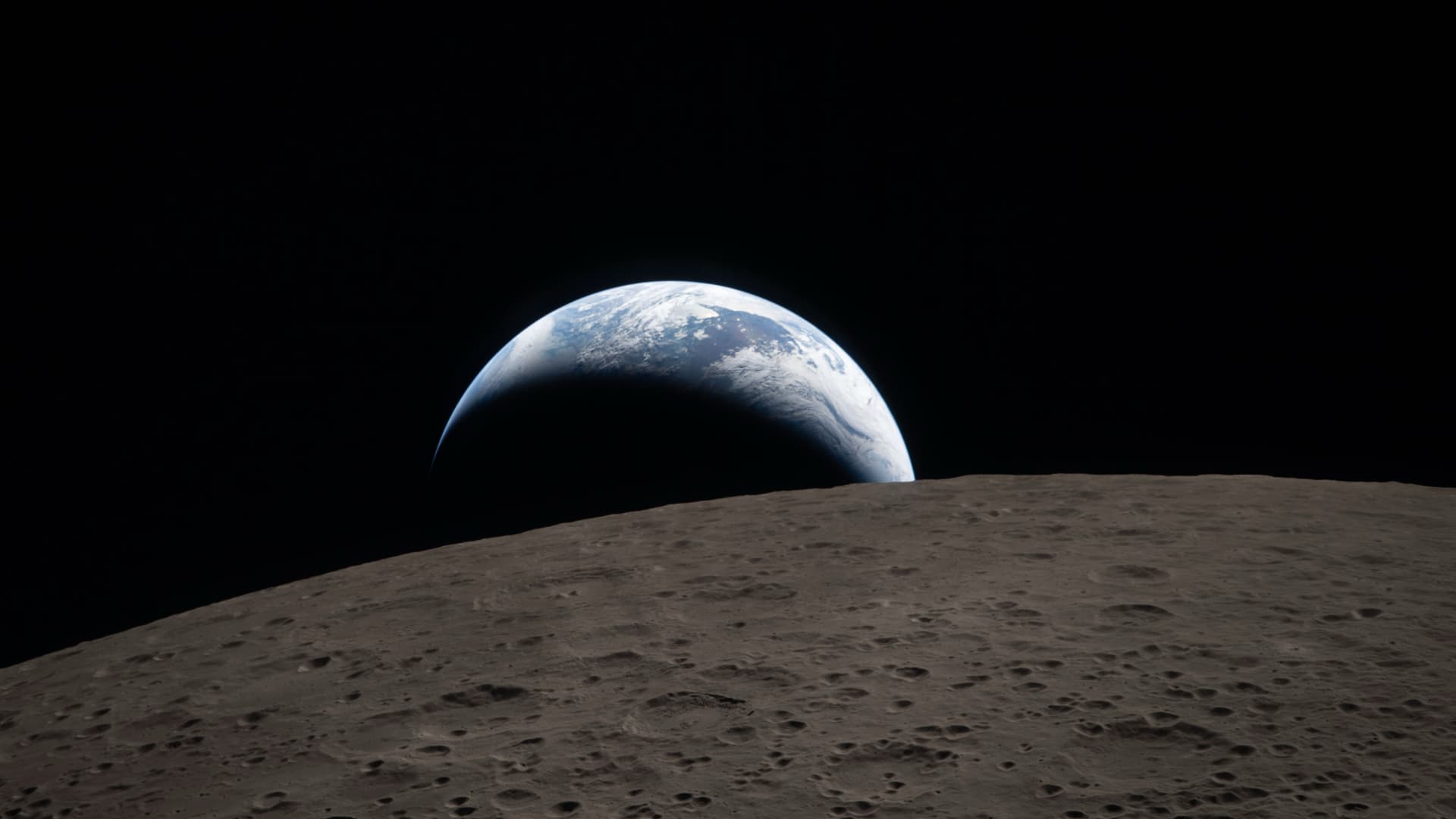
The Artemis II crew's Earthset image, shot on a 10-year-old Nikon D5, updates one of the most iconic photographs in space exploration history.
For those experiencing NASA fatigue, we promise we will stop writing about Artemis II soon. Not only does the mission end in a few days, but NAB 2026 takes place in under two weeks now and there will be plenty else to talk about.
But, before we do, let’s at least take a moment to appreciate Earthset. According to its EXIF data, this was taken with the 10-year-old Nikon D5 with the Nikon 80-400mm f/4.5-5.6 telephoto zoom lens set to 400mm and f/8, shot at 1/1000s and ISO 400.
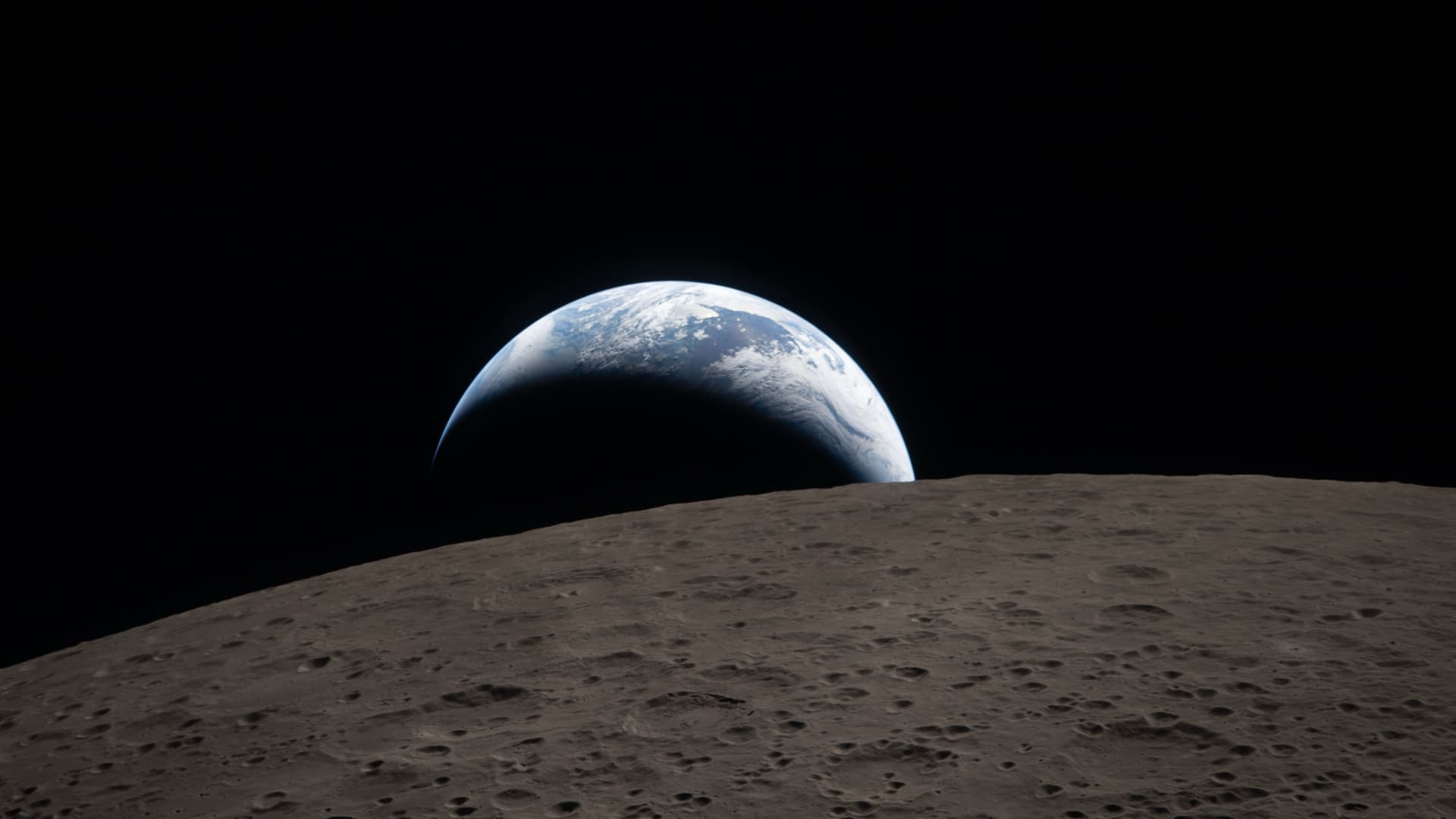 Earthset. High-res version. Pic: NASA
In the foreground, you can make out Ohm crater, which has terraced edges and a flat floor interrupted by central peaks. In the background, the terminator line curves across the Earth’s surface with swirling clouds visible over the Australia and Oceania regions.
It is a cracking shot and kudos to the team for capturing it as the pressure on this one was high. Bill Anders took the original Earthrise photo below in 1968 when Apollo 8 became the first crew to enter lunar orbit and see Earth rise above the Moon's surface. They had 10 orbits to get it right; Artemis II had only the single transit.
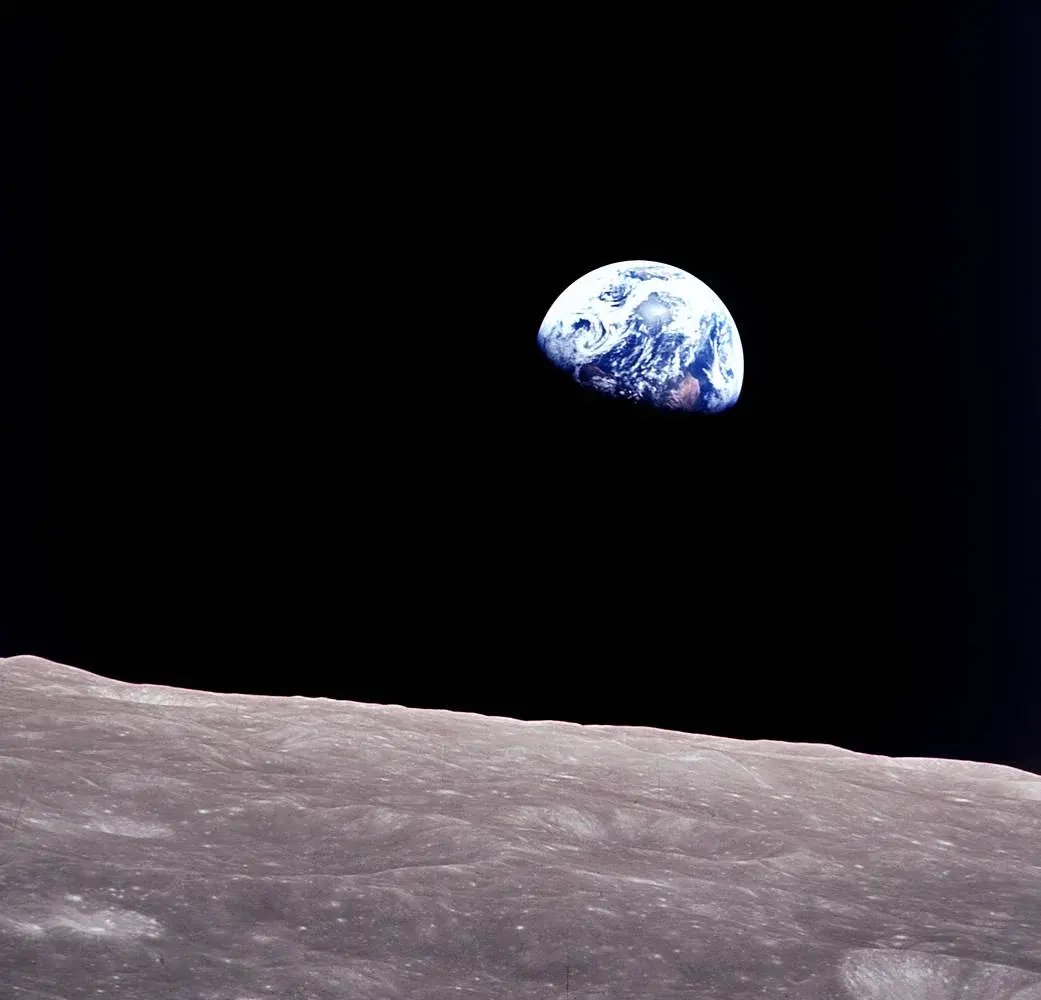 Earthrise was taken from Apollo 8 in 1968. Pic: NASA / Bill Anders
Earthrise, along with Blue Marble, became two of the signature images of that first generation of lunar exploration. This, and the D5-shot Hello World, look set to become the visual shorthand for the second (though we have already made the case for the inclusion of Christina Koch's iPhone selfie to be included in the top tier).
All we have to do now is wait for an update to the famous shot of Buzz Aldrin taken by Neil Armstrong on the surface of the Moon and we will have the complete set. Hopefully in 2028.
 The eventual update of this one will break the internet. Pic: NASA
Tags: Production Space Nikon D5 Artemis


RedShark 2020 @ All rights reserved.

Comments