4 minute read

From the power of an iPhone selfie, to the staying power of decade-old kit from Nikon and GoPro, here are five photos from five different cameras from the most documented space mission in history.
All being well, the crew of Artemis II will splash down in the Pacific off the coast of San Diego later today, bringing to an end the most documented space mission in history. Over 30 cameras have followed the nine-day mission and, thanks to increased bandwidth in deep space communications, we’ve been lucky enough to see images of some of the important milestones along the way in close to real-time.
Stunning and instantly iconic though many of these shots have been, they’re just a fraction of what has been taken.
When asked during a live evening press conference about re-entry to Earth, mission pilot Victor Glover said: "We have to get back. There's so much data that you've already seen, but all the good stuff is coming back with us."
"There's so many more pictures, so many more stories.”
Can’t wait. In the meantime, here’s what Artemis II tells us about the kit used to capture the images we’ve seen to date and what that says about how we think about our gear.
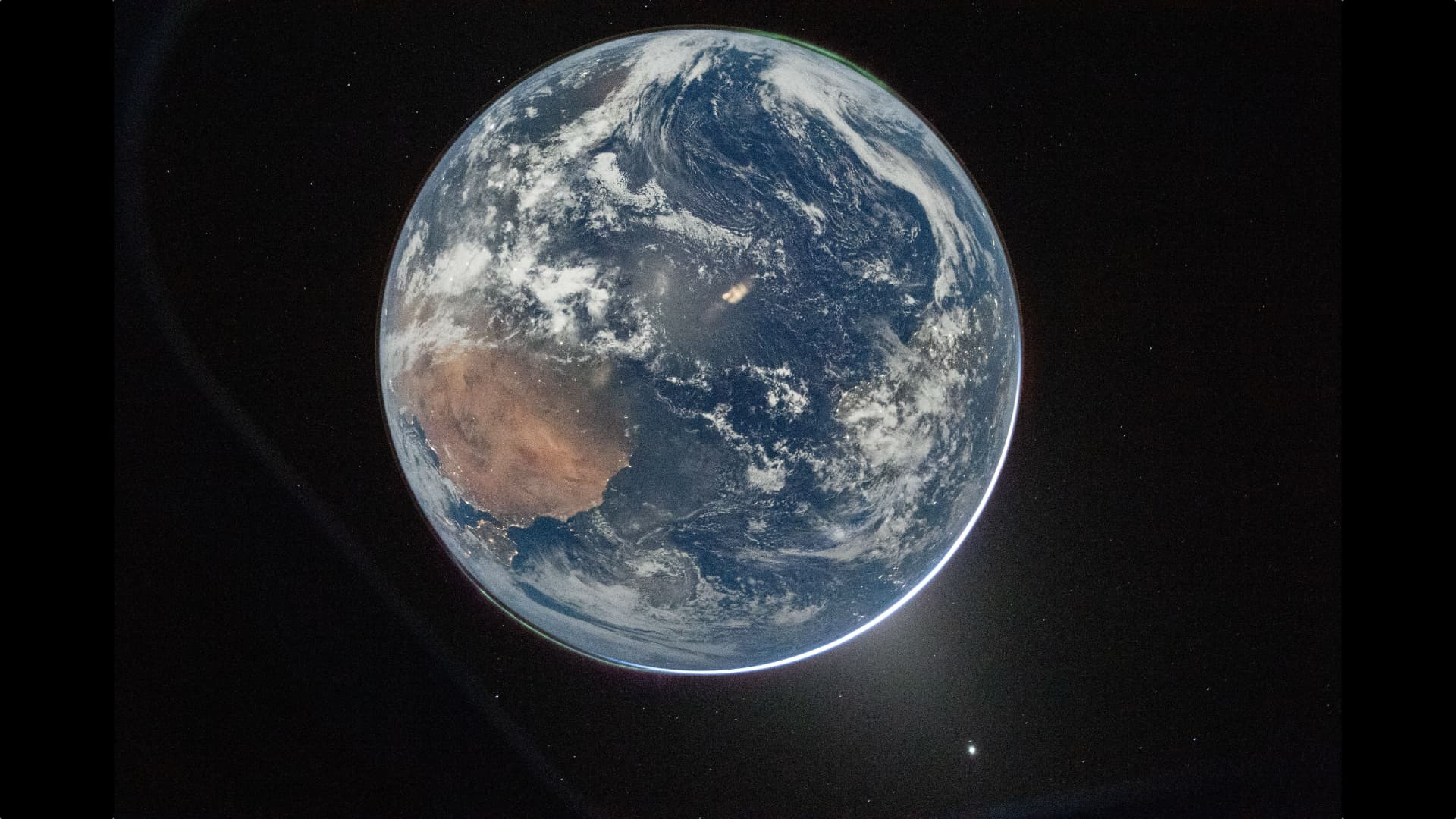 Hello World, taken by Reid Wiseman with the Nikon D5 and 14.0-24.0 mm f/2.8 lens. ISO 51,200 with a 1/4-second exposure at f/4. Pic: NASA
The primary handheld cameras aboard Orion are two Nikon D5 DSLRs. Not the D6, Nikon's final professional DSLR (discontinued in 2025). Not a Z9, Z8, or anything with a stacked sensor and a computational processing pipeline. This is a camera that launched in January 2016 and was described at the time as helping photographers "conquer the dark.”
Mission accomplished.
Ten years later, that's precisely what it's doing again. One of the images Reid Wiseman captured through the Orion window — Earth filling the frame, a green aurora glowing at the top — was shot at ISO 51,200 with a 1/4-second exposure at f/4. That's a setting that would have given most cameras of that era serious trouble. The D5 handles it with aplomb.
A Nikon Z9 did make it aboard at the last minute, but it is there explicitly to begin deep-space qualification testing for future missions, not as a primary shooter. However, while the mission so far has been the D5's show, there’s a growing feeling that we may see some impressive stuff from the Z9 once all those memory cards are examined on return.
This picture of the Milky Way taken with the Z9 helps whet the appetite.
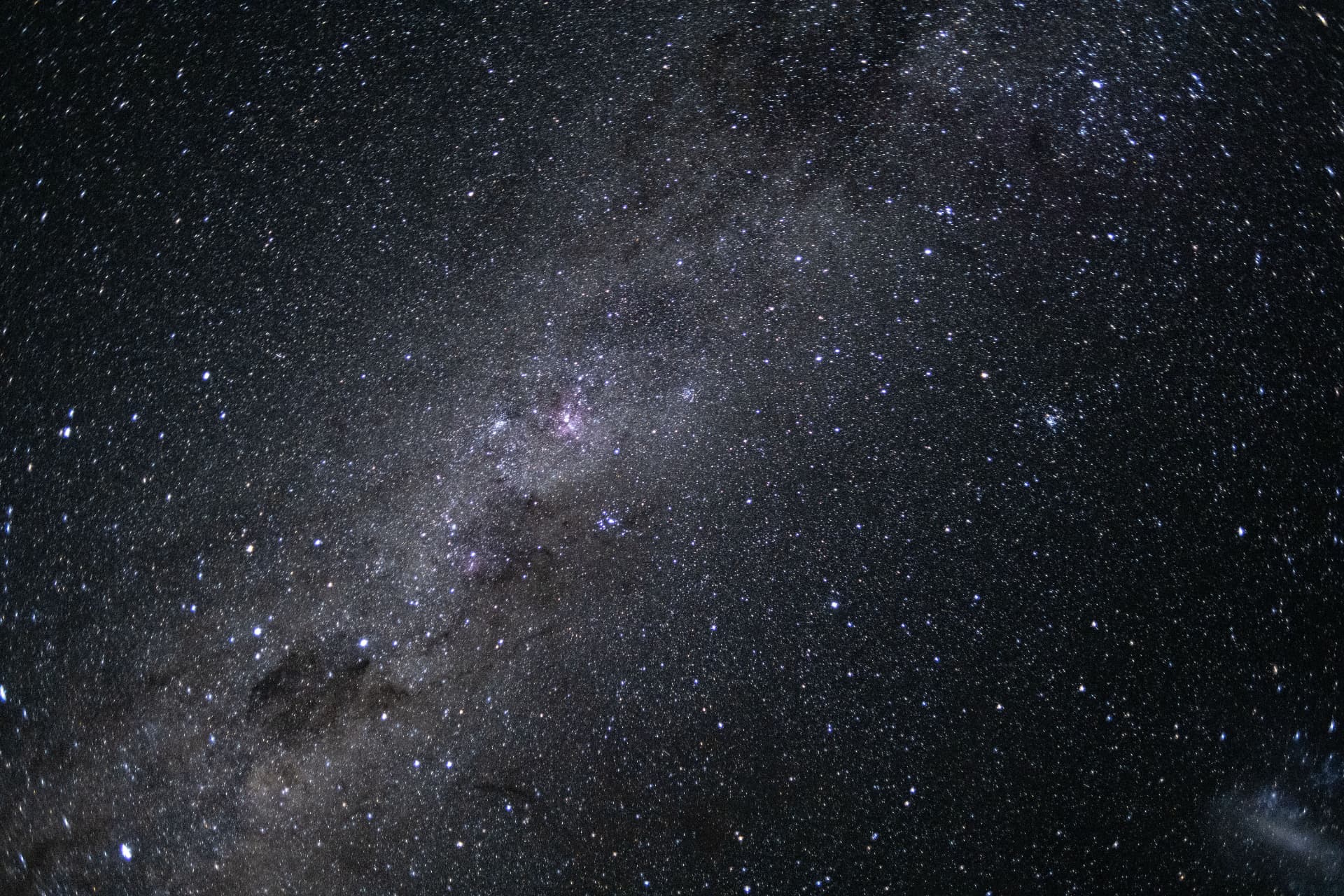 Starstruck. Nikon Z9 with 35mm f/2D. ISO 12,800 with a 10 second exposure at f/2.8. Pic: NASA
If the D5 feels like a lesson in trusting proven kit, the GoPro situation takes that argument and runs with it. The details of the inclusion of GoPros on the Artemis II mission emerged in a series of reveals. First, there was the surprise they were there at all, shooting for a National Geographic documentary. Then there was the revelation that special ruggedised units were mounted to the outside of the Orion spacecraft. Lastly came the digging through the EXIF data embedded in images returned by the mission to find out that the camera in question were HERO4 Black units first released in 2014.
Four modified Hero4 Blacks are mounted on Orion's solar array wings, and they are doing more than producing beauty shots. The crew is using the footage for visual inspection of the spacecraft exterior — checking its structural integrity before reentry. That's not a job you give to untested kit. Like the D5, the HERO4 has earned its place in space through years of qualification work on the International Space Station.
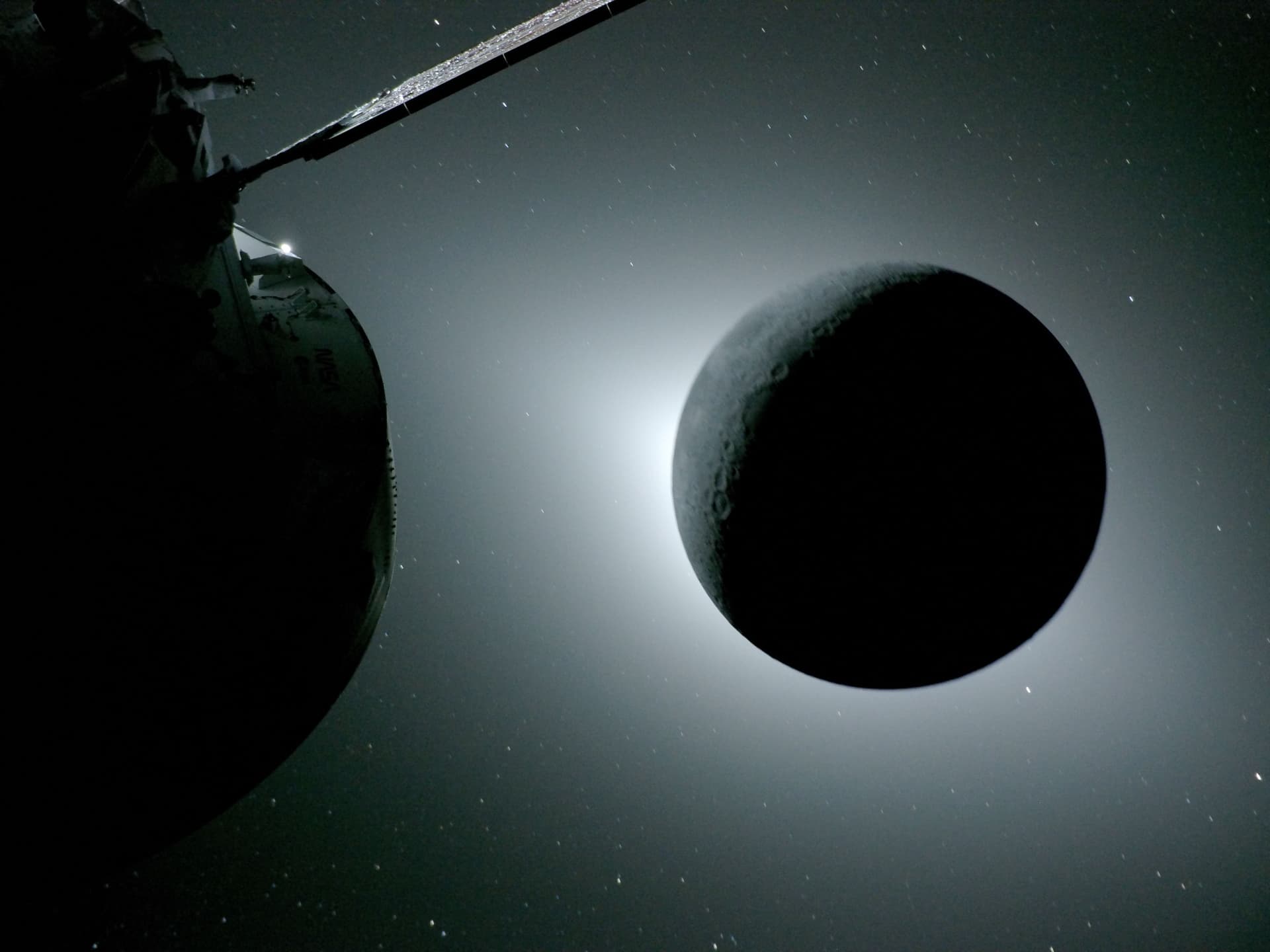 Solar Eclipse of the Heart. GoPro HERO4 Black. ISO 800 with a 15 second exposure at f/2.8. Pic: NASA
Sometimes the camera that has already proved it can survive the rigours of your environment is exactly the right camera for the job. This photo of the Moon eclipsing the Sun proves that even 12-year-old GoPros can still take stunning shots if you can get them in the right location
One of the other stories to emerge while Artemis was in space was that each crew member had an iPhone 17 Pro Max firmly wedged in their spacesuit pockets.
Some of the most widely shared images from the mission were those of astronauts' faces lit softly by the distant sun with the Earth filling the window behind them. That they turned out to be shot on an iPhone 17 Pro Max as soon as people started digging through the metadata was itself a surprise. Even more unexpected, it turned out they were taken through the front-facing 18-megapixel sensor, not the rear 48-megapixel main shooter.
The iPhone 17 Pro Max is aboard because NASA "challenged longstanding processes and qualified modern hardware for spaceflight on an expedited timeline," in the words of administrator Jared Isaacman. That involved nerfing much of the phone’s capabilities, essentially they’re onboard as cameras only, but it’s still a remarkable timeline given the labyrinthine processes that NASA normally holds to.
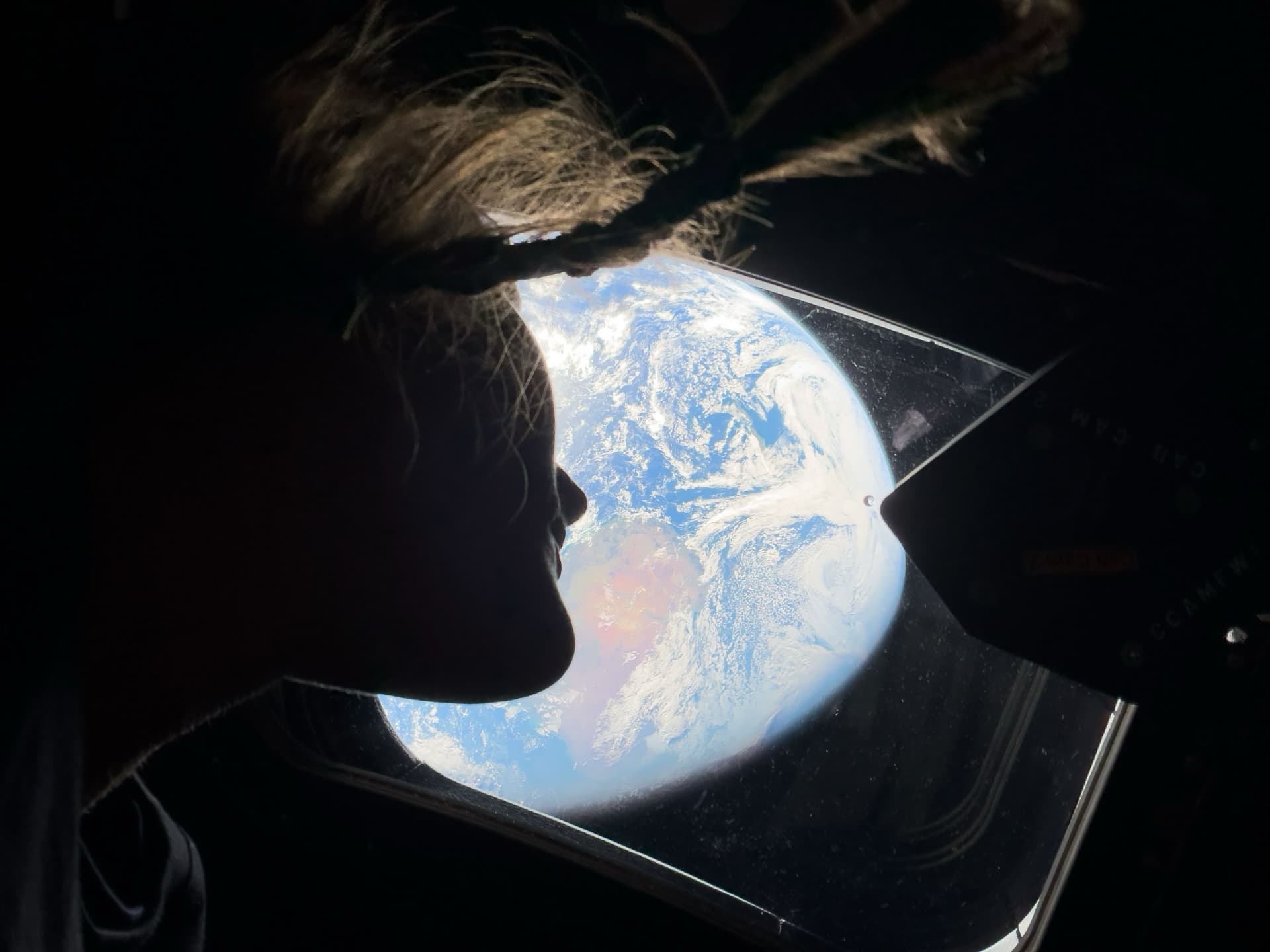
The results suggest it was a worthwhile challenge to take on, though. Christina Koch and Reid Wiseman essentially held their phones up and took a selfie. And for our money, Koch’s shot of the first woman to look down on the Earth from its entirety, is possibly the most momentous shot ever taken with an iPhone. Other candidates? The comments section is always open.
The best camera is the one a) with you and b) pointed in the right direction. It just happens that in this case that means pointed backwards through a window at the Earth.
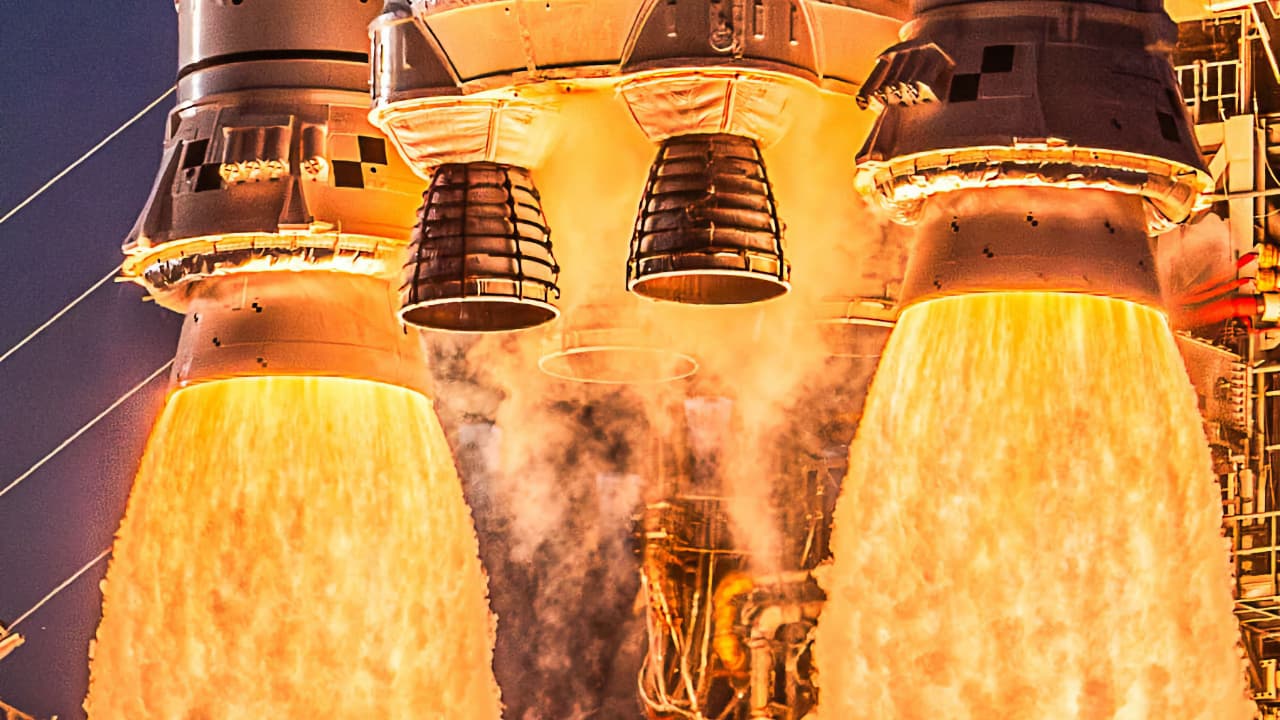
The last of the five significant cameras surrounding the Artemis II mission never made it off the ground, which is why it's had less coverage than the space-bound hardware over the past week. Photographer Steven Madow covered the April 1 launch from Kennedy Space Center with 14 Panasonic Lumix cameras, including seven set up as remotes at the launchpad, triggered by sound via a MIOPS device. The resulting images, including the close-up engine shot below that went viral, are the product of over a decade of hard-won NASA credentialing, meticulous pre-visualization, and the kind of preparation that makes luck look easy.
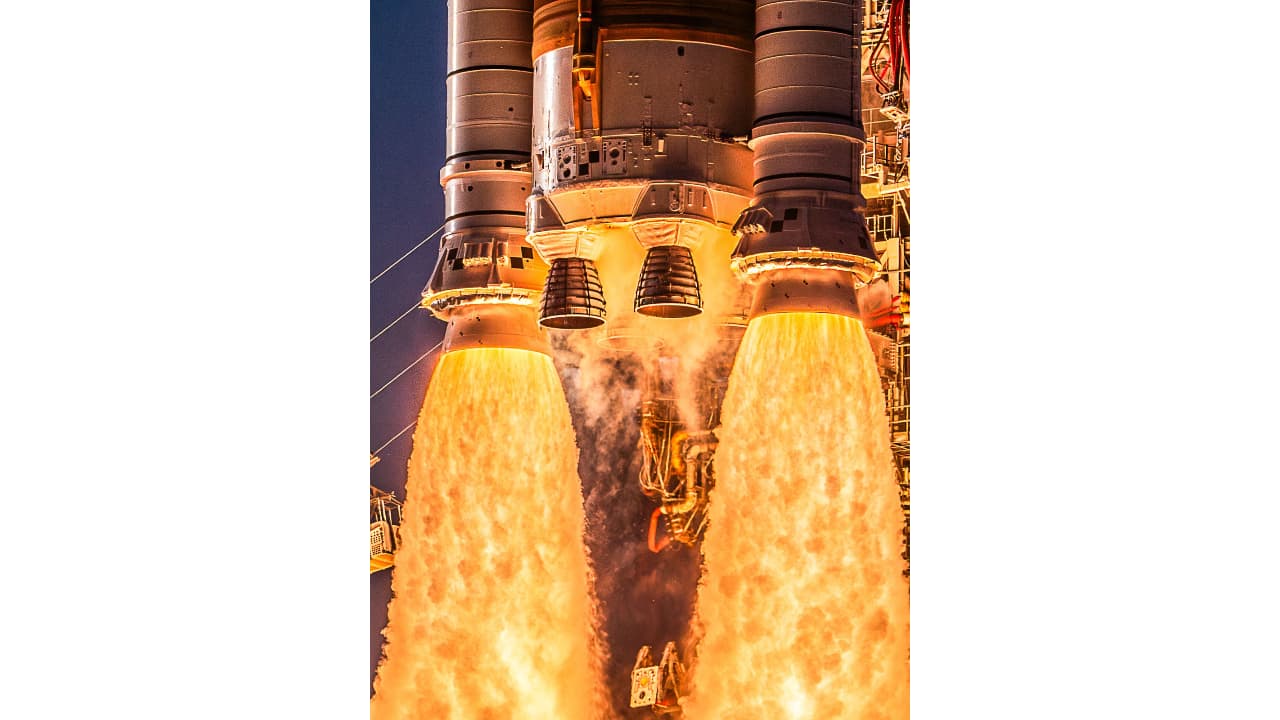 Blast-off. Data below. Pic: Steven Madow
Petapixel has the full story, and it's well worth your time. Those cameras included a GH5, G9, G9 II, S1R II, and a whole load of different glass. The engine fury was captured on the GH5 with a Lumix G Leica 50-200mm f/2.8-4 lens and at 1/8000s, f/16, and ISO 100.
“I have this special trigger on top, made by MIOPS. What it does is just sit there, patiently, and listens and listens and listens,” Madow explains. “When there is a loud sound — rockets are really great loud sounds — it wakes up the camera and starts firing away like crazy.”
Tags: Production GoPro iPhone 17 Nikon D5 Artemis Nikon Z9 Lumix GH5


RedShark 2020 @ All rights reserved.

Comments