2 minute read

Seven years on, the Kodak PIXPRO AZ653 brings 65x optical zoom, RAW shooting, and USB-C to a $499 bridge camera built for reach over resolution, but still no 4K.
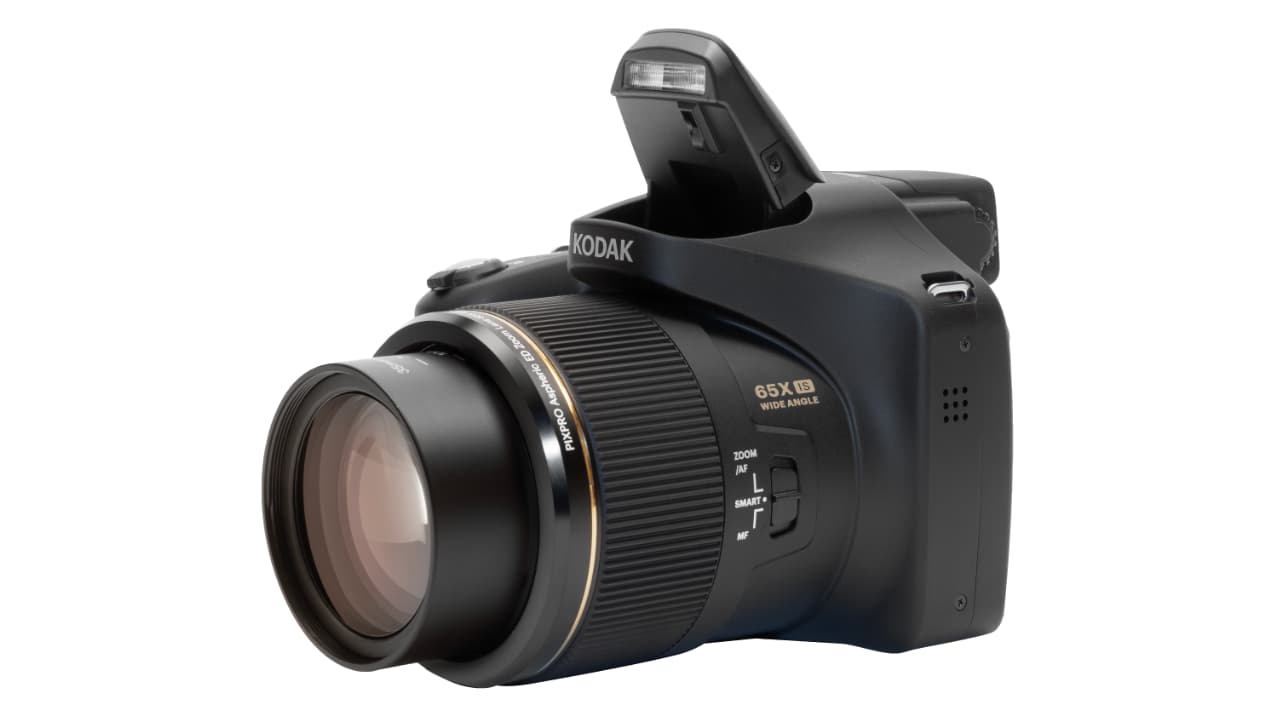
Seven years after the AZ652, Kodak has updated its Astro Zoom bridge camera line with the AZ653, a 65x optical zoom superzoom that adds RAW shooting and USB-C connectivity to a spec sheet otherwise aimed squarely at the enthusiast end of the consumer market.
Enthusiasts who are after a specific thing too, in this case an almighty optical zoom. We do love the whole concept of bridge cameras here at RedShark, and the niche that a substantial built-in zoom offers seems to be a pretty wide one. The 65x optical zoom covers 24mm to 1560mm equivalent (4.3 mm to 279.5 mm actual focal length), with a combined digital zoom of 260x if you're feeling adventurous.
In other words, you get the all-in-one convenience of a compact with DSLR-style handling alongside a substantial built-in zoom lens covering focal ranges that would be prohibitively expensive to replicate with an interchangeable-lens system.
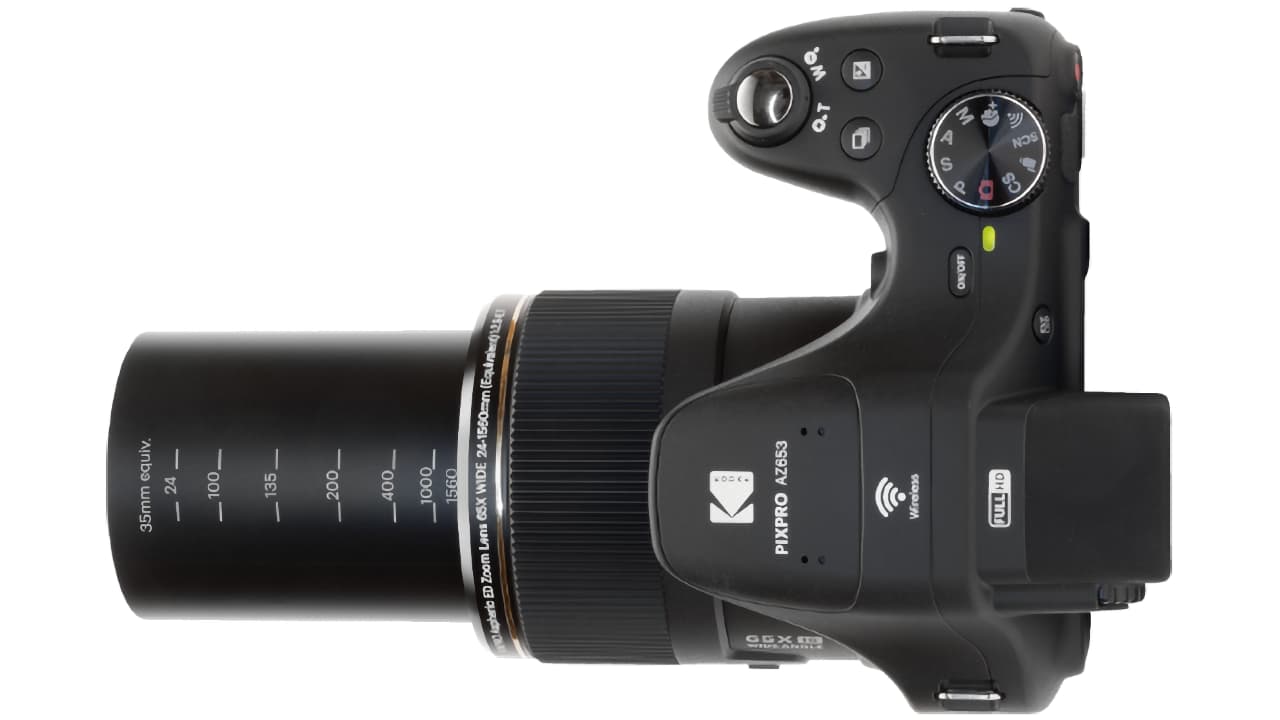 That is a lot of zoom for $449
The trade-off, as ever, is sensor size: today's bridge cameras universally use small 1/2.3-inch sensors, which limits image quality and low-light performance compared to mirrorless or DSLR rivals.
But what it does, it does well — on paper, at least. Optical image stabilization is included to help keep things manageable at the long end, and an electronic viewfinder with -4 to +2 diopter adjustment means you're not solely reliant on the 3.0-inch, 460K-pixel LCD when shooting in bright conditions. That, however, is a downgrade from the tilting screen of its predecessor, presumably in a bid to keep the price down.
The sensor is a 1/2.3-inch BSI CMOS unit rated at 20.68 effective megapixels, capable of 5 fps burst shooting at full resolution. A full PASM exposure mode set is present alongside the expected scene modes, panorama, HDR, and face/smile/blink/pet detection.
The biggie though is that video tops out at 1080p30. There's no 4K here, which is going to be a deal-breaker for many who may have been tempted, though the camera does offer a 640x360 high-speed mode at 120fps for slow-motion work.
File format support covers JPEG, RAW, and RAW+JPEG, and connectivity has been updated to USB-C (2.0 speed), with HDMI Type D for output. Wireless connectivity allows remote control and image transfer via iOS and Android devices.
Battery life is rated at approximately 400 shots per charge under CIPA standards, with around 90 minutes of 1080p video. The body measures 126.0 x 89.0 x 111.4 mm (4.96 x 3.50 x 4.37 in.) and weighs 588 g (20.74 oz.) without a card.
And it's here where it all suddenly starts to make sense. The PIXPRO AZ653 launches this month for $449. If you can live with 1080p and that small sensor, that is a lot of zoom for the money. If you have substantially more budget, however, the 83x optical zoom Nikon Coolpix P950 (around $800) and the 125x optical zoom Nikon Coolpix P1100 (around $1050) both feature heftier zooms and 4K support.
Tags: Production Kodak PIXPRO AZ653 Bridge Cameras


RedShark 2020 @ All rights reserved.

Comments