2 minute read

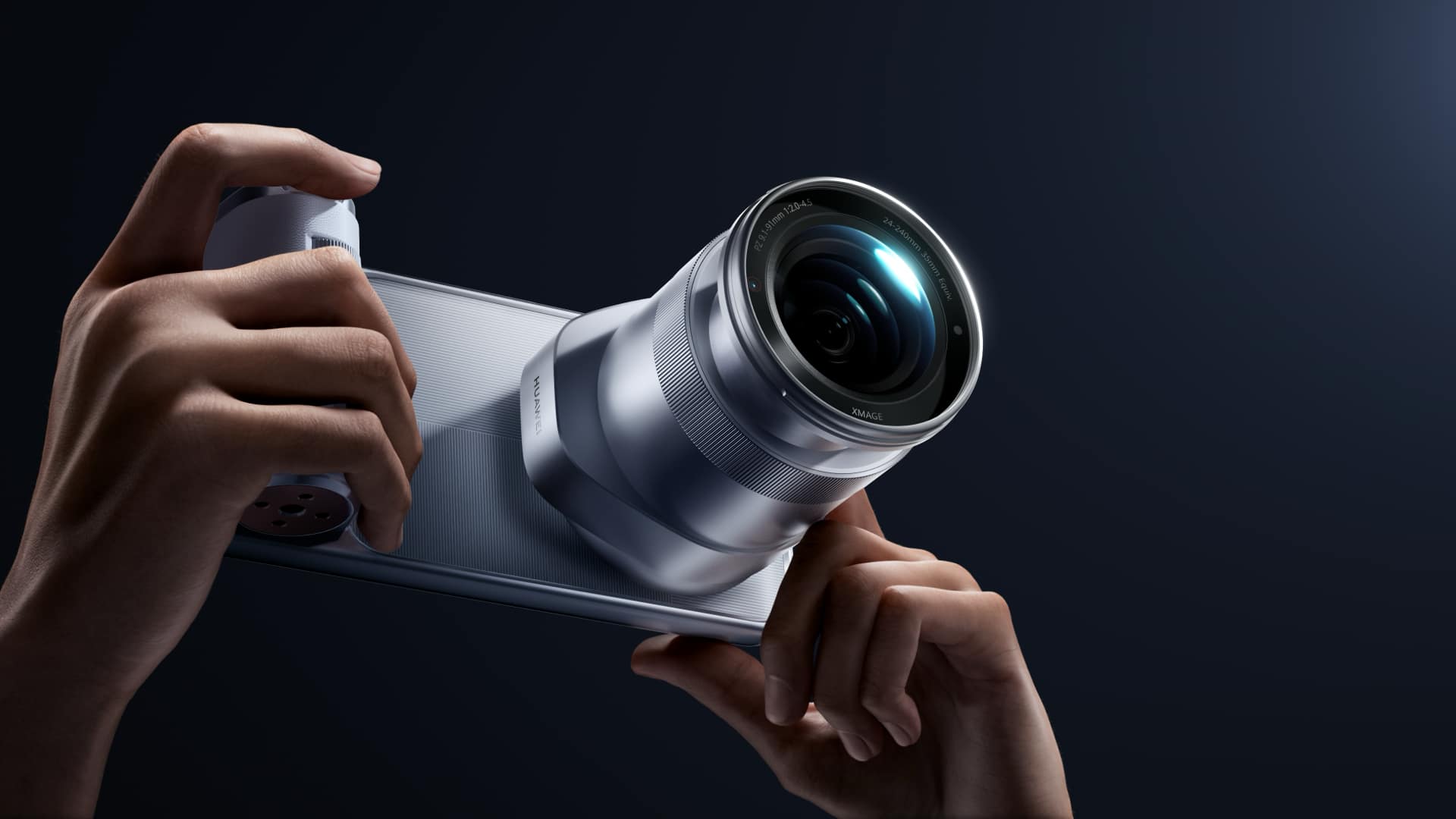
Huawei's $900 XMAGE Z10 module looks to convert a high-end smartphone into a genuine camera with its own 1-inch, 50 MP sensor and 24-240mm equivalent f/2.0-4.5 lens.
Huawei has launched the XMAGE Z10, a clip-on camera module that really does attempt to convert a smartphone into a camera (technically the Ruiying Z10, which is the Chinese name for Huawei's XMAGE imaging brand). It was announced alongside the new Mate 90 series of high-end phones in China and is built around a 1-inch, 50 MP sensor and a 24-240mm equivalent f/2.0-4.5 zoom lens.
(Can we all please agree to forget the existence of the word 'phonetography'?)
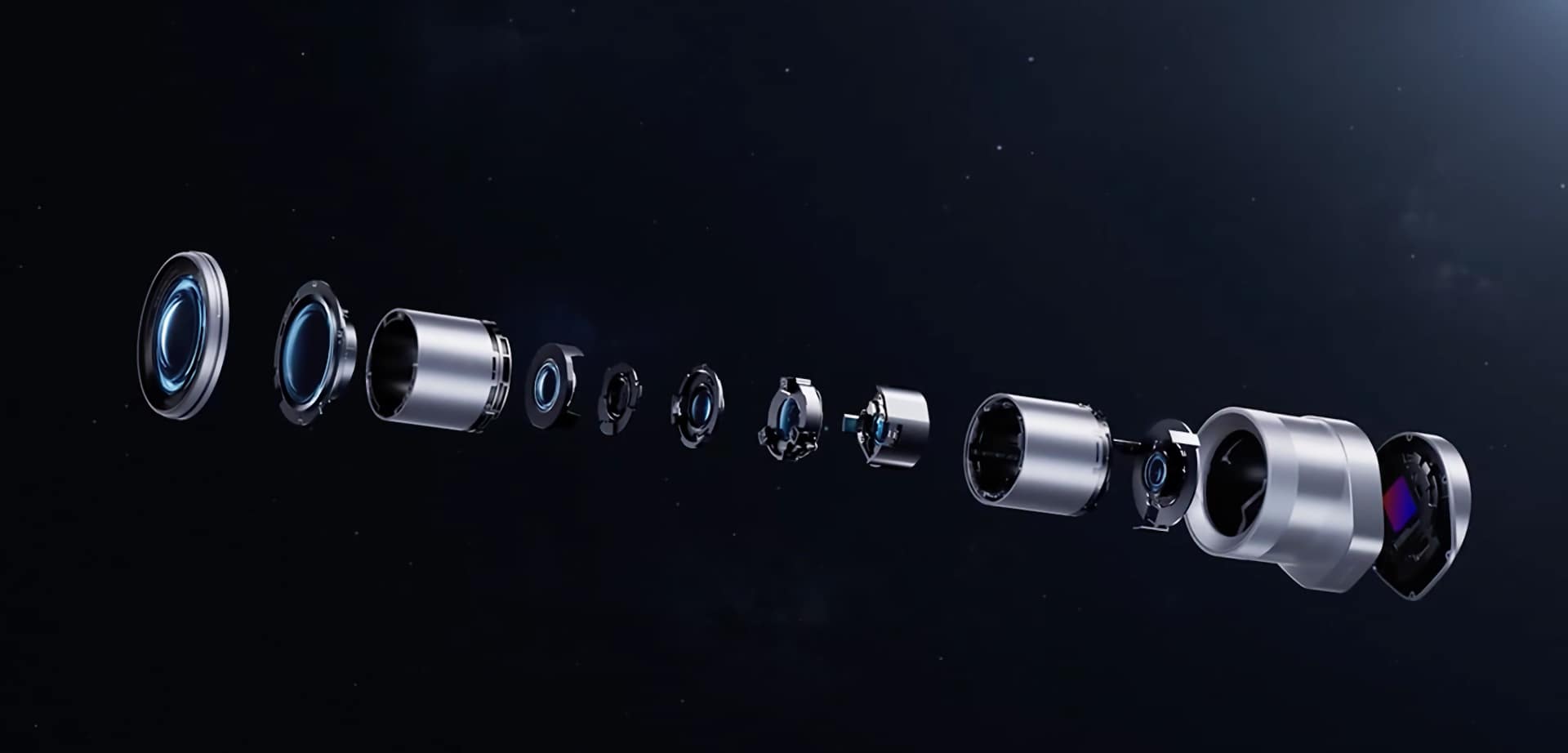
The Z10 is a lens-and-sensor unit with no battery or storage of its own, relying on the phone for power, processing, and recording. It features a 10x continuous optical zoom with 19 elements in 6 groups, an RYYB color filter array, a laser autofocus sensor, an anti-flicker sensor, and Huawei's third-generation Red Maple color sensor.
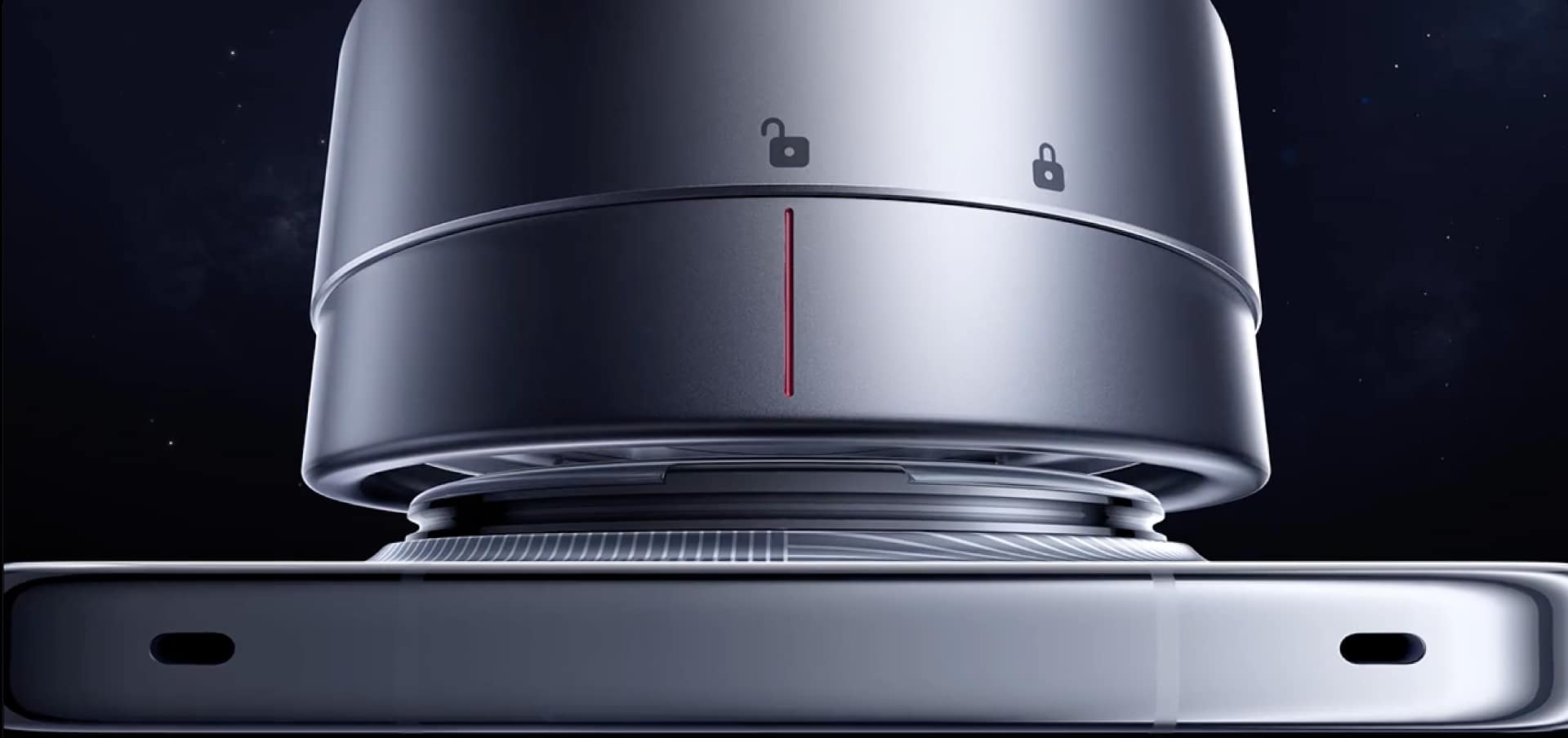 It attaches to the phone through the company's HyperClick mount, which Huawei says locks in with one click, and has a 77mm filter thread. The module weighs 346 g (12.2 oz) and measures 80 x 70 x 80 mm (3.15 x 2.75 x 3.13 in) in the Mate 90 Pro Max version, which is definitely going to give it a certain degree of heft.
It works only with two phones: the Mate 90 Pro Max Collector's Edition and the Mate 90 RS. The standard Mate 90 Pro Max is not supported, and each phone has its own version of the module, as the RS version is 78 mm (3.09 in).
 On video, the spec sheet lists 4K, 1080p, and 720p at 60 or 30 fps, with 1080p slow motion at 120, 240, and 960 fps. Huawei does not give a codec, bitrate, or bit depth, and does not say whether the phone's Log video mode applies to footage shot through the module. The shutter is electronic only, running from 30 seconds to 1/4000.
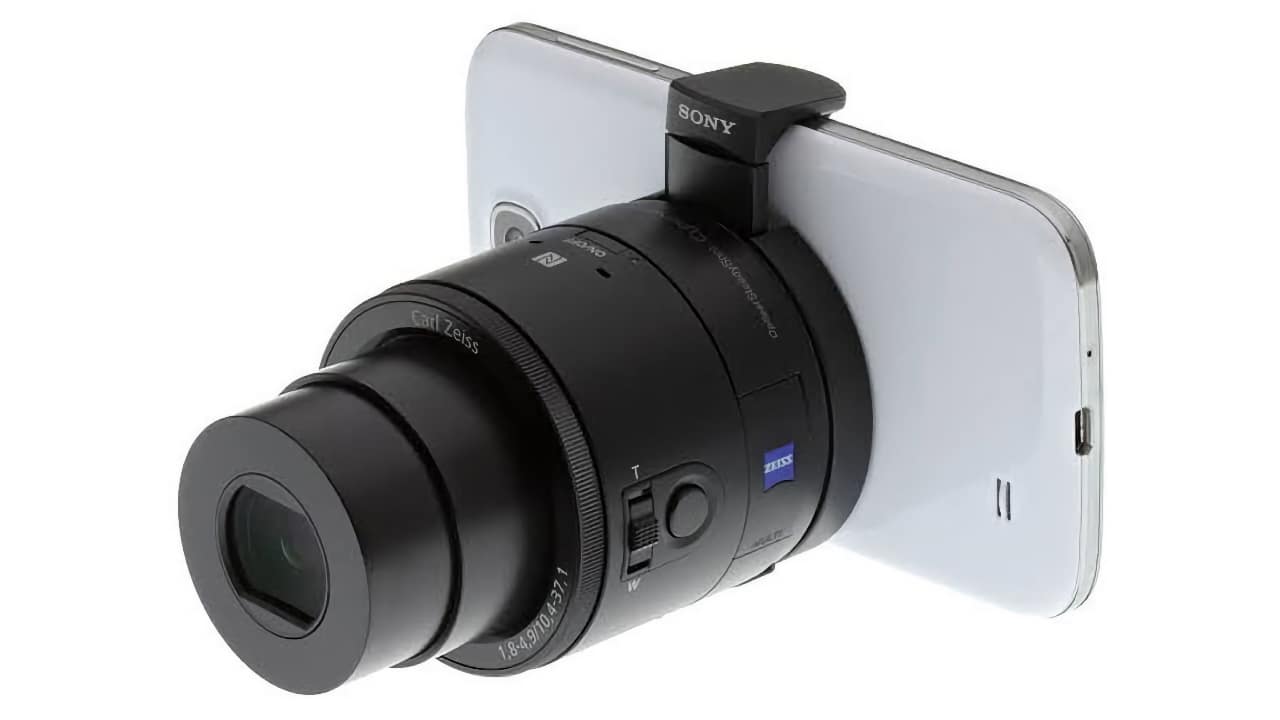 And if it jogs your memory, yes, this sort of thing has been done before. As Thenewcamera points out, Sony launched the QX series of lens-style cameras in 2013/14, with the QX100 boasting a 1-inch 20 MP sensor, Zeiss 28–100 mm f/1.8–4.9 lens, its own battery, and a clip to physically mount it to the phone.
However, it wasn’t easy to use. It only worked with its own app, pairing over WiFi and NFC was slow and had to be redone on a regular basis, and the live view lagged considerably. The Z10’s hard contact mount sorts most of these problems out.
The host phone, meanwhile, is a capable camera in its own right, with a 50 MP main camera with a variable f/1.4-4.0 aperture and OIS, a 200 MP periscope telephoto, and a 40 MP ultrawide. Huawei claims 18 EV of dynamic range for the main camera, citing its own lab, and promotes 20x telephoto video. The company also describes a "broadcast-grade" live streaming mode, which it defines as being able to support broadcast-television-level live streams.
Some live mode functions will arrive in a later software update. Huawei has not said whether any of this will be sold outside China. US availability in particular is unlikely. Recent Mate phones have been gray imports only.
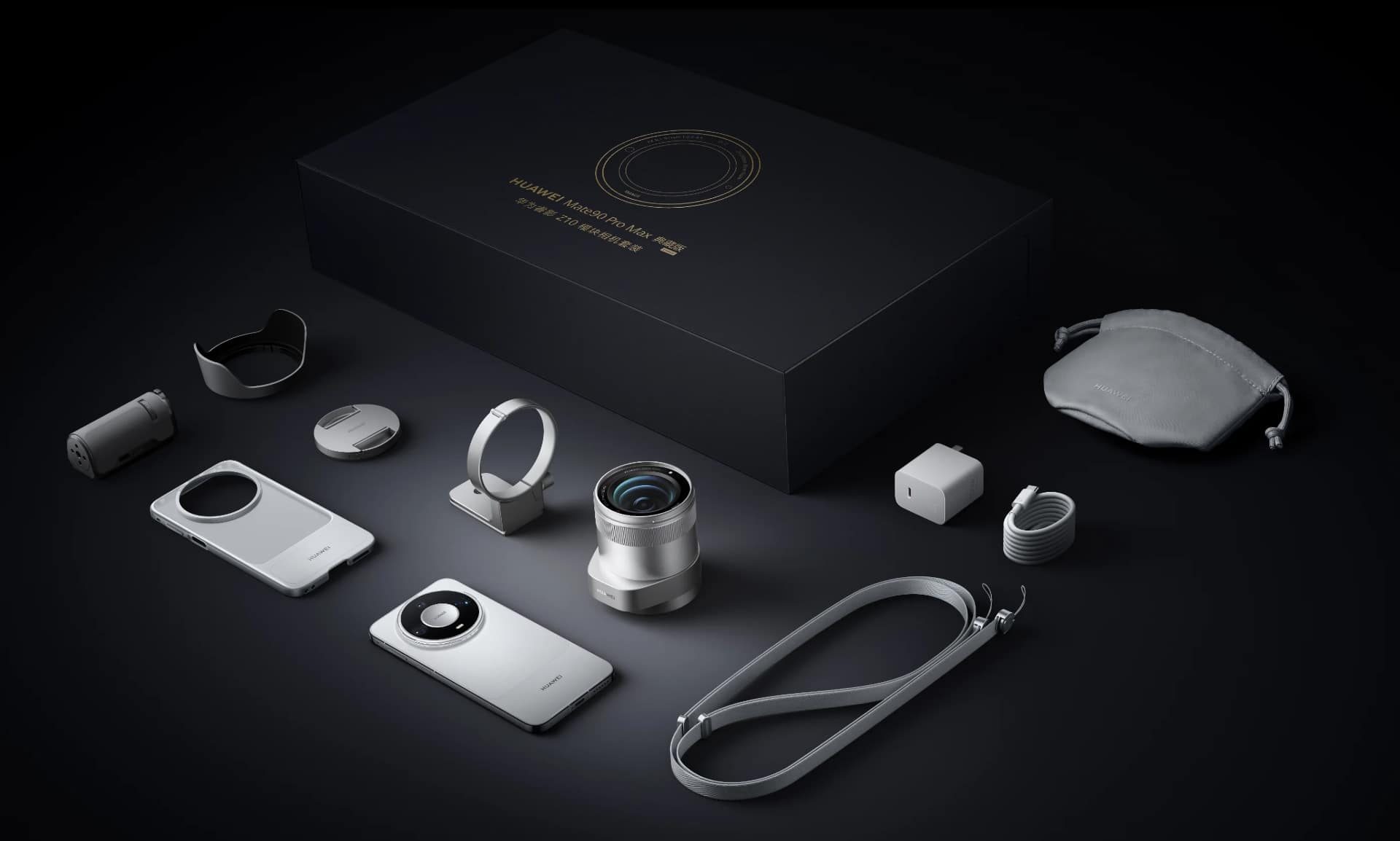 None of this comes cheap either. The Z10 alone costs ¥5999 (around $900) through Huawei's Vmall store, and you can get an iPhone 17 for that at the moment. The Mate 90 Pro Max starts at ¥9499 (around $1420), making it an expensive purchase even for this current generation of smartphones.
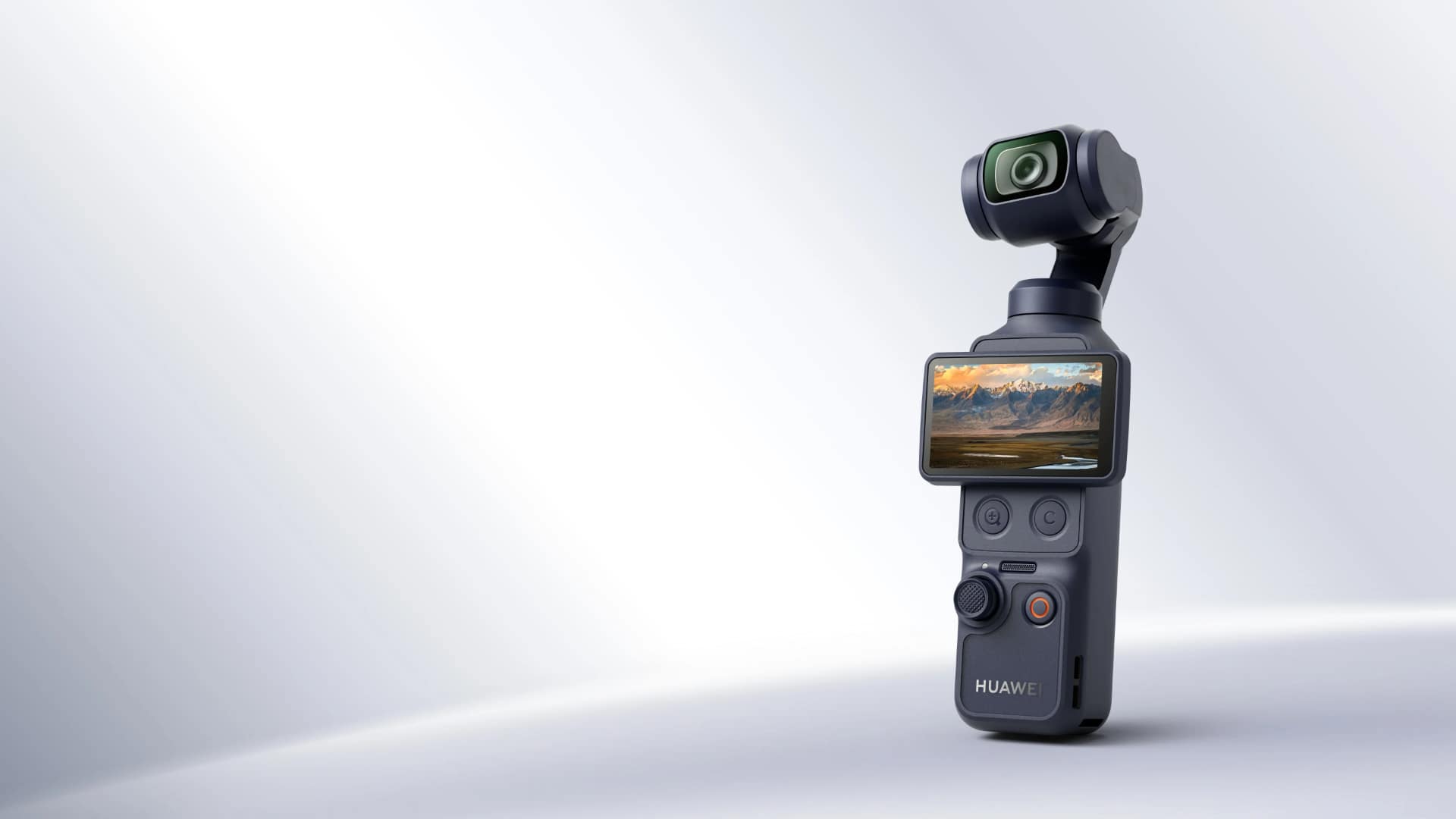 Huawei also announced a co-branded DJI Osmo Pocket 4 at ¥2999 (around $450). The camera hardware is unchanged, but it does allow for automatic low-latency video transfer to Huawei phones, which opens up the prospect of using it as a second camera in a live stream. This is all enabled from a firmware update expected from mid-October.
Tags: Cameras mobile photography Huawei


RedShark 2020 @ All rights reserved.

Comments