5 minute read

Editor Viridiana Lieberman on cutting The Perfect Neighbor, the Oscar-nominated Netflix documentary assembled almost entirely from police bodycam footage, using Adobe Premiere Pro.
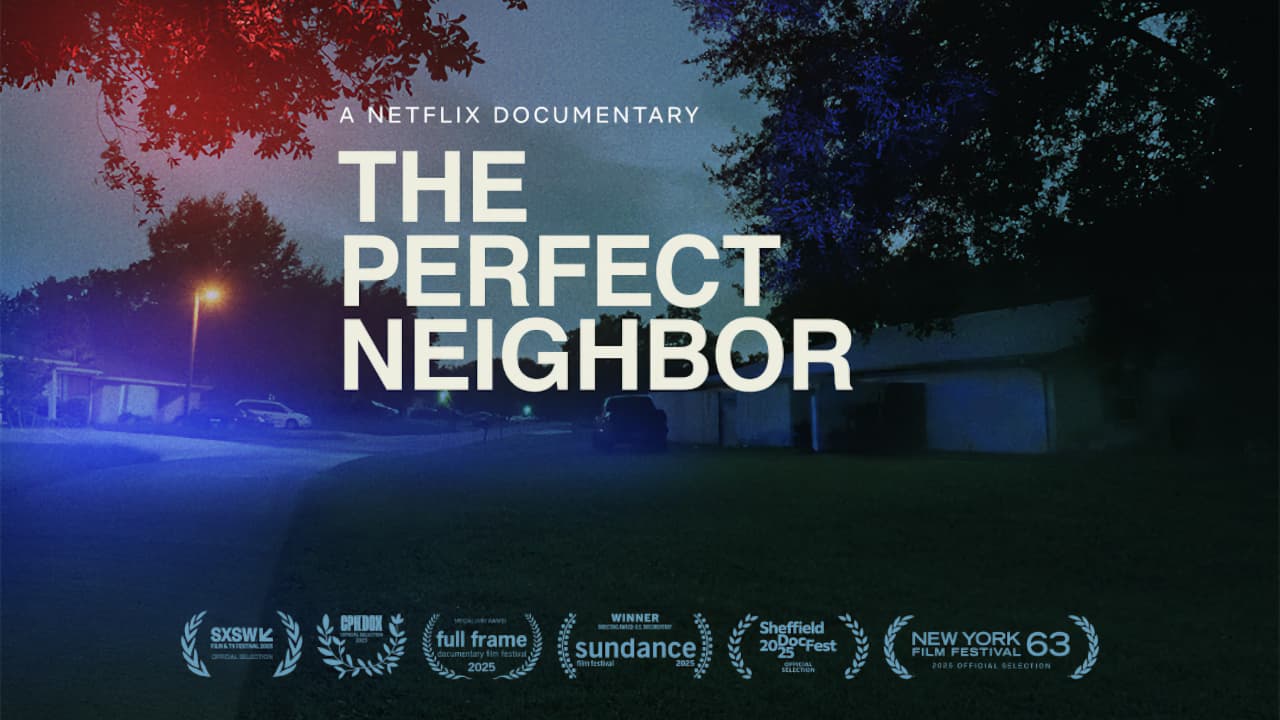
The Perfect Neighbor is a 2025 documentary directed by Geeta Gandbhir, examining the fatal shooting of Ajike “AJ” Owens by her neighbor Susan Lorincz in Ocala, Florida, on June 2, 2023. Constructed almost entirely from police bodycam footage, the film traces an escalating neighborhood dispute over more than a year, building toward a tragedy that left a family of young children without their mother. The film won the Directing Award at Sundance 2025 and went on to receive an Oscar nomination for Best Documentary Feature.
While it did not win, the film has surpassed 50 million views on Netflix since its October 2025 launch, and viewing more than tripled in the two weeks following the Oscar nomination. It won five awards at the 10th Annual Critics Choice Documentary Awards, including Best Editing for Lieberman.
RedShark: How did you first get involved with The Perfect Neighbor? What drew you to it?
Viridiana Lieberman: Director Geeta Gandbhir and I had previously collaborated on a handful of projects where we built a lot of trust and love in collaborating. The Perfect Neighbor was a personal film for her - Ajike Owens was a family friend - and when she first called me about it, she told me she thought it might be possible to make the entire film from the evidence.
Beyond the immense honor I felt that she came to me with such a personal film, I was so fired up for the challenge to make this possible. Utilizing only this material, we knew this film could be undeniable. To show what actually happened in the most raw and factual form. That level of responsibility, attention to detail, and the act of trusting the audience have always been what I strive to be a part of - challenging myself to push form and care so very much about every frame.
 How did you work with director Geeta Gandbhir? What workflow did you establish to handle the film?
Geeta and I have built a strong foundation of trust over the years that has created the space for me to take big swings and try so many things. We always start with long conversations about the central message, tone, and style. Then I enter my “edit cave” and just start digging in. I’ll send her long sections and we’ll discuss and refine. As we near our fine cut, we’ll shift to tighter windows of watching and talking. For this film, Geeta had specific directives – she wanted the story to stay rooted within the community and she said she felt like it was a horror film so I certainly entered the process with some genre play in mind. Those two north stars really helped me hone the footage as I worked through it all.
What were the main challenges you faced? What editing techniques and processes did you use to meet them?
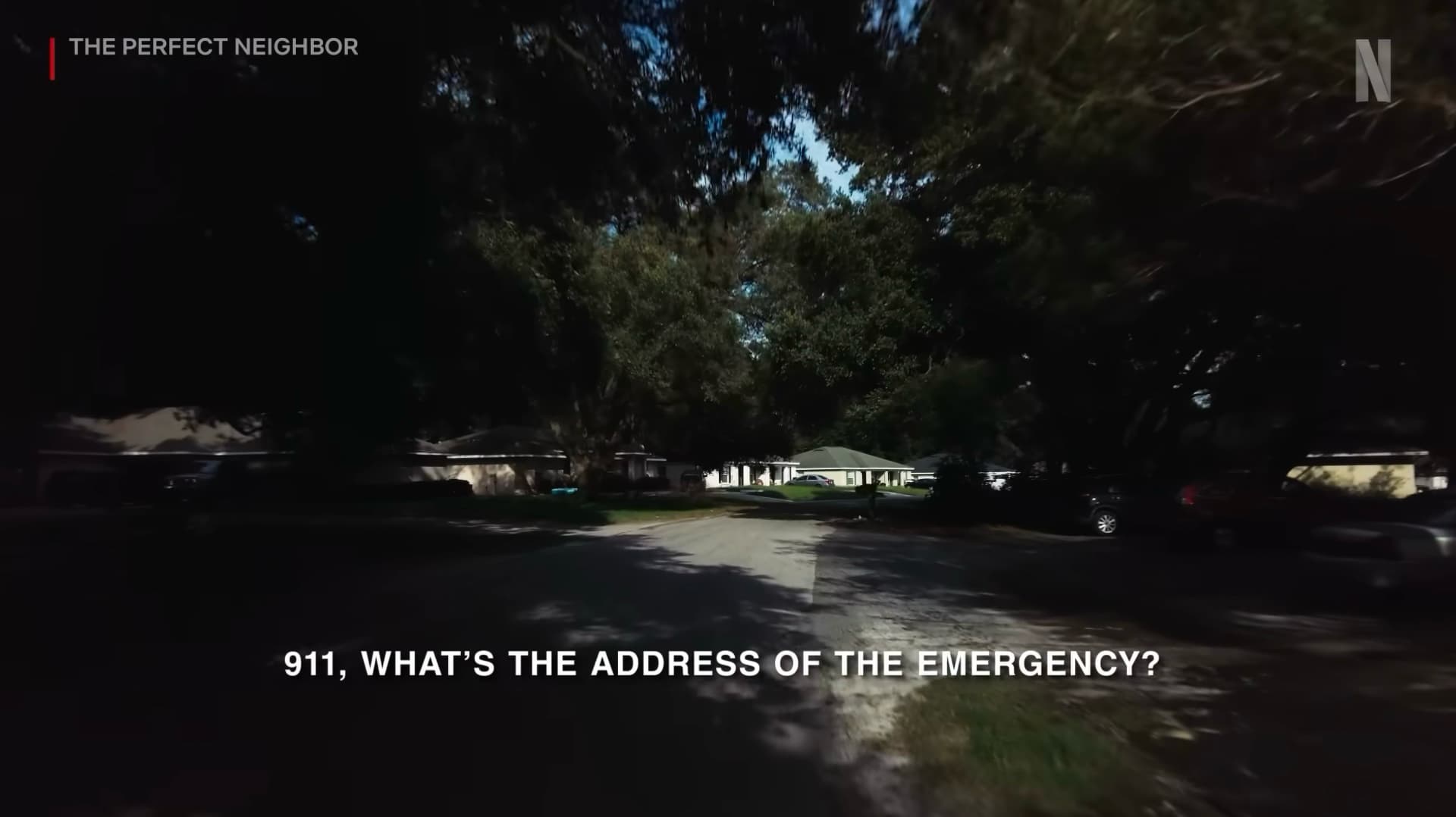
Since we knew the film would be chronological, the main challenge was the balance of our structure. Navigating all the calls in an approach that could compose an emotional and tension-filled narrative while making sure we were stating the facts and giving a 360-degree perspective of those calls.
Since there were usually at least two police officers on the scene, the bodycam footage played like a multicam. That allowed us to condense time by being in different places, while still staying true to the evidence by making sure those moments were clearly happening simultaneously with our intercutting. Syncing all of our sources (bodycams, dashcams, ring cams, 911 calls…etc) was a feat but once we had that layered on the timeline, it was a matter of making sure each call was doing new work and that we were sticking to the truth of each moment.
 Name two things: your favorite scene in the movie and the most difficult one to cut. Why these two in particular?
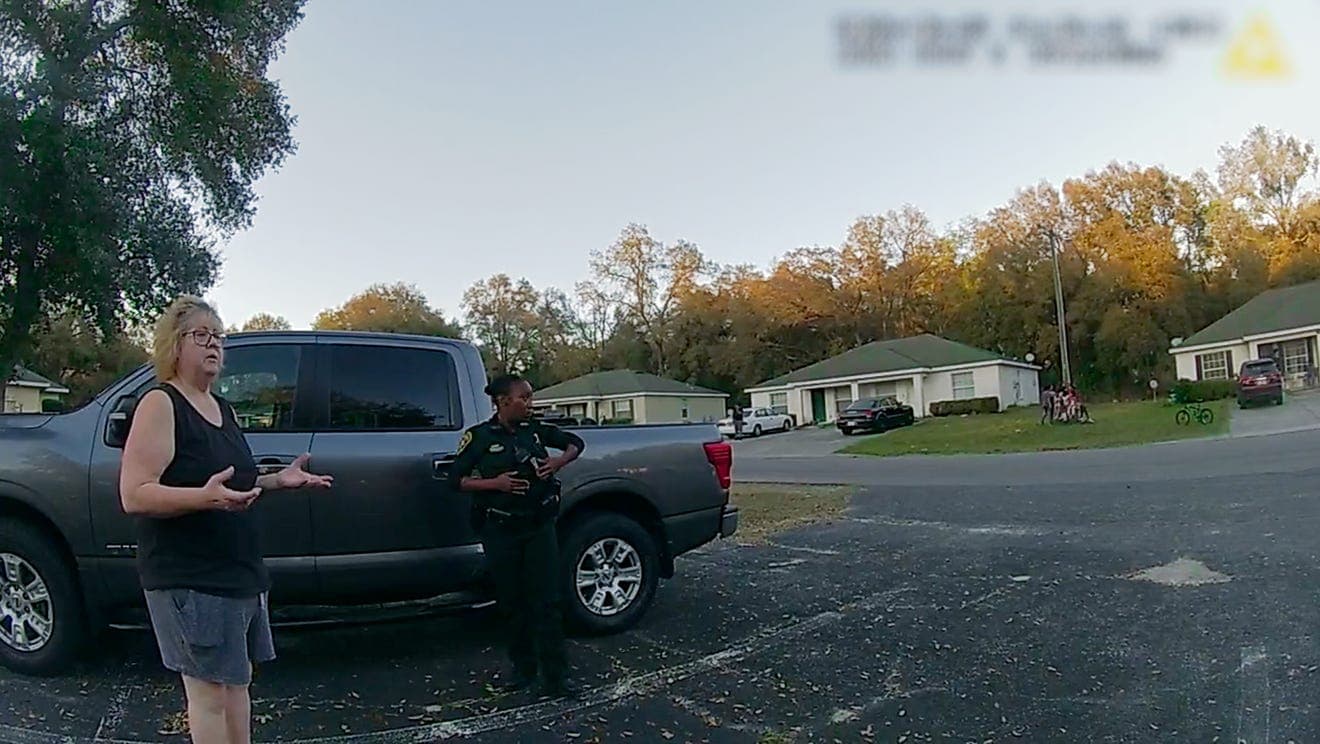
One of my favorite scenes is the one that makes everybody laugh – which is when the kids say, “we're 11.” It brings a moment of joy and lightness that helps the audience understand this community despite the underlying tension.
We so rarely see communities before tragedies take place. From the start, we knew how precious every second we could spend with these kids and the adults that came together to watch over them would be. Also, to see kids playing outside together in this time where so many seem isolated with their phones and technology was so profound. The most difficult scene to cut was the night of the event. It’s also the scene I feel most proud of. I was obsessive in the responsibility to present the evidence as it was.
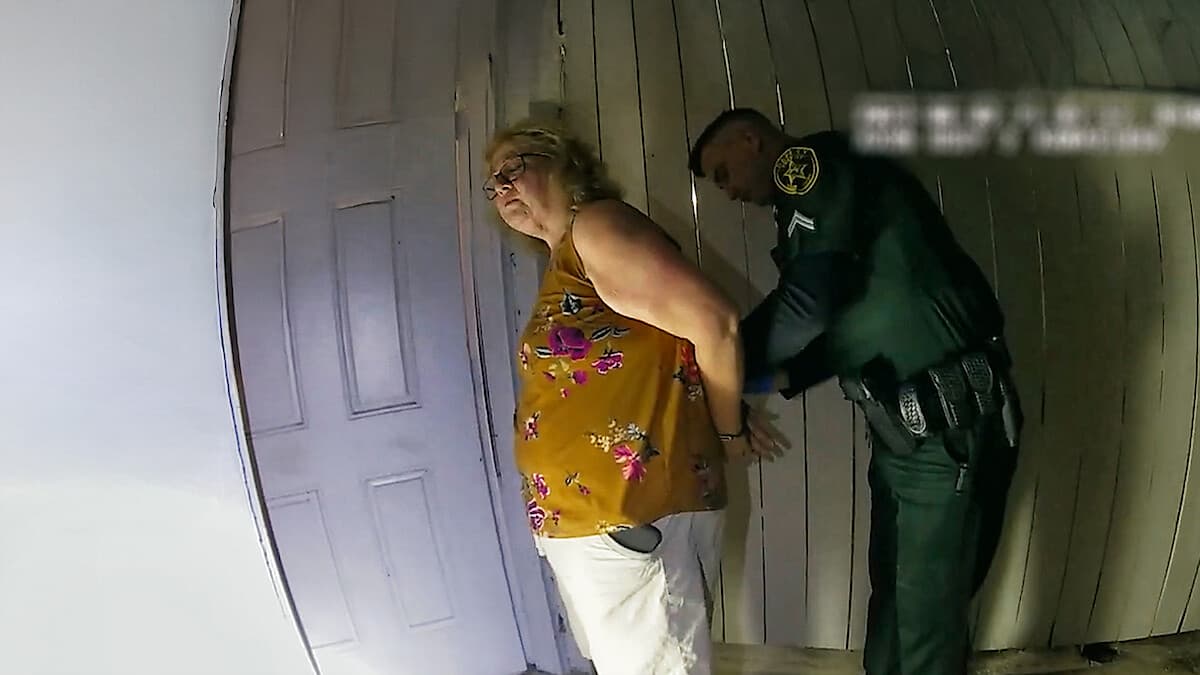
Everything is synced, meaning that even when you're watching a dashcam, if you hear the radio calling in, that was the moment it was blasting in that car. There were so many sources in so many places. So many police officers coming and going, it was such a complex sequence. And then on top of that, bringing in the horror genre play of that ticking clock, the walls closing in, the emotional release and facing the consequences. It’s employing a lot of intentional cinematic choices while still honoring the evidence for what it was.
How did the movie evolve? How differently do you see it compared to when you first started?
It wasn’t different when it came to approach, that came in the first pass but what did evolve was the balance of what came before and after the night of the event. Knowing that our third act would break away from the police bodycam footage in the neighborhood and broaden the lens, we tried different variations of things to keep the same outside-looking-in feeling while still trying to stay rooted with the neighborhood. That came in the form of media coverage and protests and of course the interrogations. Now when I watch it, it feels quite inevitable, but it was a process.
Apart from Premiere, what tools do you use and why?
For this project, I did everything in Premiere! It served all my needs.
Which brings us to why Adobe Premiere itself. What do you like about using it?
One of the things I love about Premiere is that you can really hit the ground running. We had so many different types of media in completely different formats and sizes. I was able to bring it all in and just start digging in instantly. Also I didn’t want to multicam because I wanted to see everything on the timeline - to really understand when certain pieces of evidence were entering and exiting - and the Premiere timeline is such a dream to navigate, even with our insane amount of layers.
Any new features released recently that have impacted your workflow?
The Speech-to-Text tool came in as a superpower near the end of our process with the interrogations to make sure we had touched on the most pivotal moments. I marked the heck out of everything initially but to be able to search more thoroughly so instantly in the home stretch was incredible.
 Widening it out a bit, how has editing changed over the course of your career? Trends, tools, timeframes: what is different now compared to when you started?
The biggest shift during my career as an editor has been the timeframes. When I started as an assistant editor, I’d be on films for a year or even two with the editor. But once I started editing on my own, I was given six to eight months - which now seems to be the average turnaround time, regardless of the footage volume – it could be a decade's worth or 30 hours.
There can be pros and cons to that. Tight time windows can force choices and following your instincts. Big swings where you can create unexpectedly cool things because there's no time to overthink or get lost in the weeds. But you also want to have more time for discovery, to step away and let it marinate and ask yourself what it’s truly doing and if that’s right for this story and time.
I’ve been a part of a few projects that have had to go dark to wrangle more financing (the hard reality of documentary filmmaking, especially these days) and sometimes it does seem like a benefit to have that space to return and ask ourselves some complicated and productive questions about where we left off with things.
Finally, what’s next? What is the next project we will see your work on?
I’m on a bunch of different projects right now that I'm very excited about. I’m cutting some features and consulting and supervising on others. I’m also starting to direct. A film that I co-directed and edited will premiere this year. I'm really looking forward to continuing the journey of cultivating my voice and creating creative spaces to lead teams to tell stories we all care about. All of these films that I’m working on feel highly charged and relevant today, which is helping me navigate the world in these times. I'm very proud of all of this work and excited to share it with the world.
Tags: Post & VFX Editing Adobe Premiere Pro Sundance


RedShark 2020 @ All rights reserved.
Comments