4 minute read

Apple has launched Apple Upgrade in the US, a Klarna-backed leasing scheme for iPhone, Mac, iPad and Apple Watch, with plans from $11.99 a month. Sounds good? There are caveats...
Talk about a new leasing program from Apple surfaced last week, and was confirmed by the company today. Called Apple Upgrade, the program is available via all Apple's US retail channels and replaces the iPhone Upgrade Program and iPhone Payments in the US.
The scheme covers the main quartet of Apple devices: Mac, iPad, iPhone, and Apple Watch. Different terms are viable depending on what you're after. Apple Upgrade offers 12 and 24 month leasing terms for iPhone and Apple Watch, and 24 and 36 month terms for Mac and iPad.
Confirmed starting prices are $17.99 a month for iPhone, $11.99 for Apple Watch, $24.99 for Mac, and $11.99 for iPad.
As with all Apple purchases, customers can lower the monthly payment further by trading in an existing device through Apple Trade In. Apple Card holders earn 3% Daily Cash back on lease payments.
Enrollment in the scheme involves a soft credit check through Klarna, which Apple says does not affect a customer's credit score, with approval described as available within minutes. In-store customers get the device immediately, while online orders can be delivered or picked up in store. AppleCare is not bundled into the lease automatically but can be added as a subscription. Lease details, billing schedule and remaining payments are managed through the Klarna app rather than Apple's own billing.
Customers currently enrolled in the outgoing iPhone Upgrade Program will, where eligible, be offered a choice: lease a new device under Apple Upgrade, move to Apple Card Monthly Installments, buy outright, or use carrier financing instead.
At the end of a lease term, customers can upgrade to the latest device, pay off the balance in one payment to keep the hardware (known as a balloon payment), or return the device and exit the program.
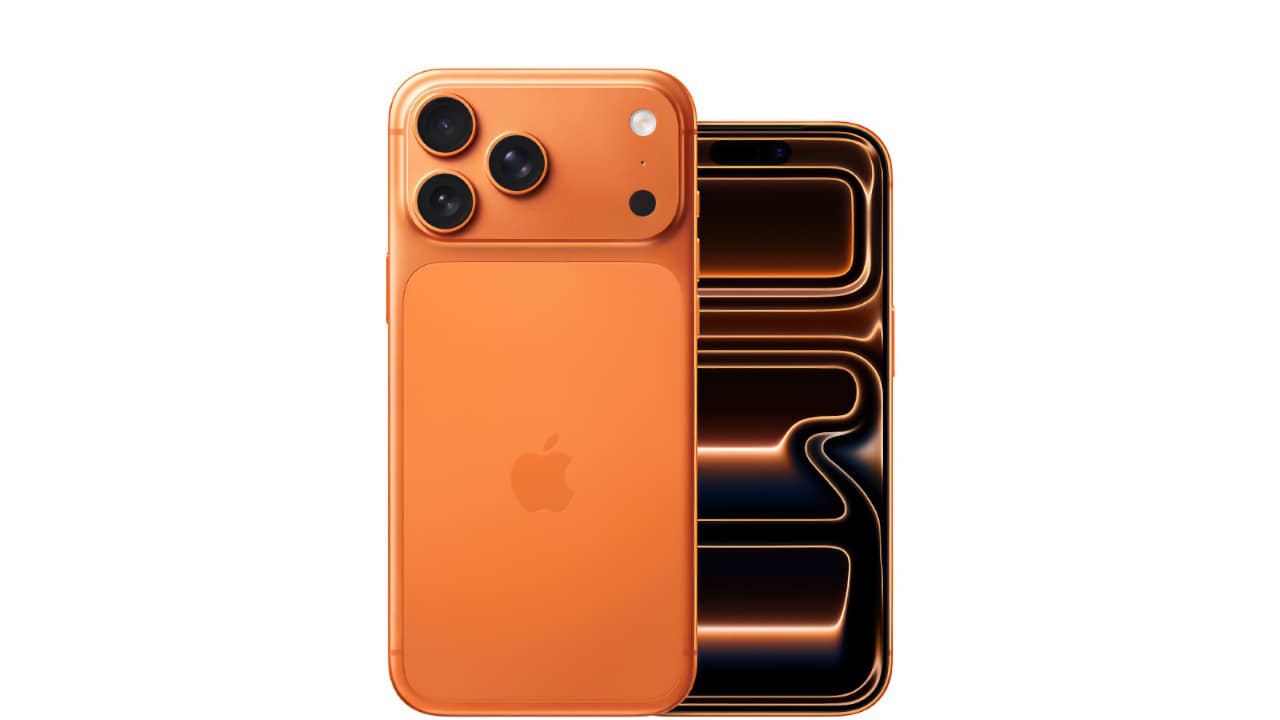 The iPhone 17 Pro becomes available for lease from $31.99/mo. per month for 24 months
The launch follows a run of Apple price rises attributed to a global memory and storage chip shortage. Reporting ahead of today's confirmation, including from Bloomberg, frames the program as an attempt to spur sales by lowering the monthly outlay rather than the on-sale price. Klarna, meanwhile, gains a high-profile foothold in longer-term consumer credit beyond its checkout-page installment business.
A formal lease-to-own scheme helps Apple manage the device replacement cycle as prices climb and upgrade rates slow. It also puts Apple financing in more direct competition with carrier installment plans, and Samsung has been reported to be exploring a comparable leasing scheme of its own.
For anyone shooting or editing day to day on an iPhone or a Mac, the practical comparison is Apple Upgrade's monthly cost, plus any AppleCare add-on, against buying outright and reselling later. Here are the base spec figures for the four Mac models currently being offered without AppleCare added (you will note the Mac mini and MacBook Neo aren't part of the scheme as yet*).
| Model | Buy from | 12mo 0% instalment | Lease from (36mo) | Total lease cost |
|---|---|---|---|---|
| MacBook Air | $1299 | $108.25/mo | $24.99/mo | $899.64 |
| MacBook Pro | $1999 | $166.58/mo | $38.99/mo | $1403.64 |
| iMac | $1499 | $124.91/mo | $28.99/mo | $1043.64 |
| Mac Studio | $2499 | $208.25/mo | $48.99/mo | $1763.64 |
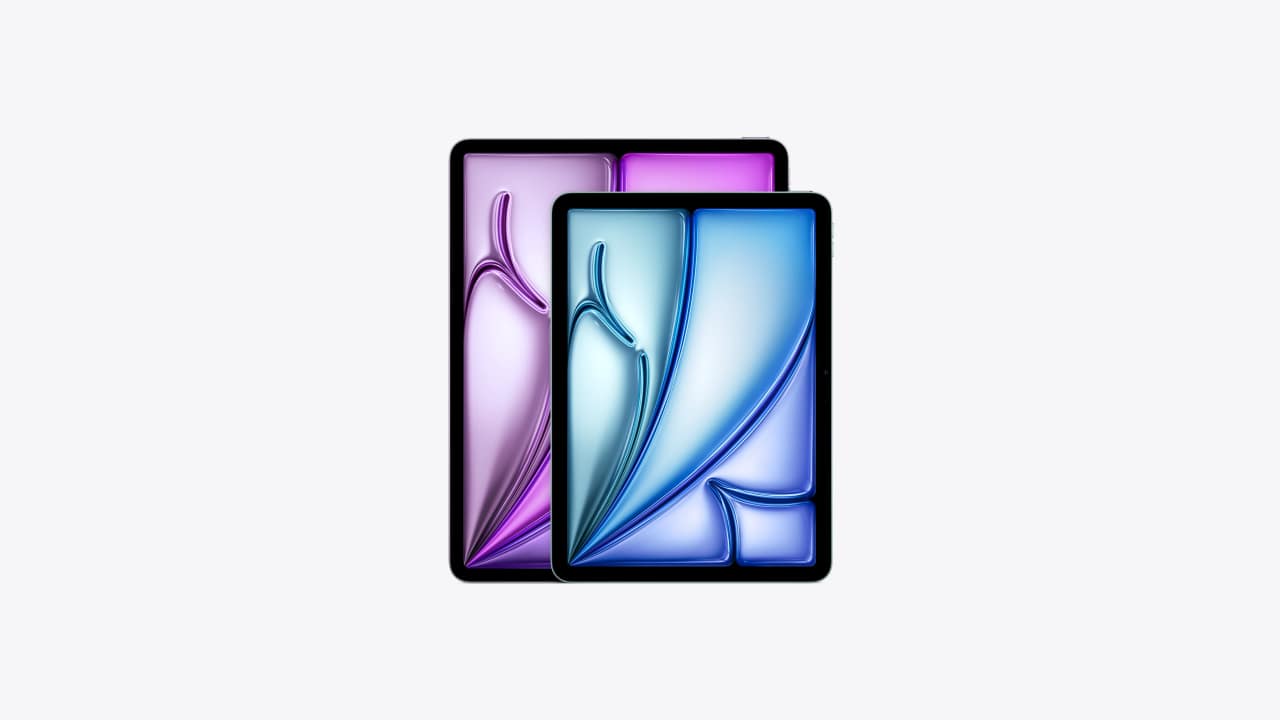 iPad Air: Buy from $62.41 a month for 12 months or lease from $31.99 per month for 24 months
While the scheme substantially lowers the cost of entry, there are a couple of things to note. First, and most obviously, the device is not yours at the end of the three year cycle unless you pay the extra. If you want to keep it, you have to pay the difference in cost. Sometimes this will work for you. The arrival of the M-series Macs seems to have broken the three-year replacement rule, extending useful lifetimes much further. That means that, using the iMac as an example, $450 extra brings you a still very capable computer.
On the other hand it takes the hassle out of upgrades. All you have to do is commit to the inevitability of the monthly payment for as long as you want to own a Mac, and you get a machine that's on the cutting edge every three years. Many people sign up for just this sort of scheme when leasing cars, but the difference there between the lease deal and the purchase price is substantially greater in the lessee's favor due to the insane depreciation that hits a car as soon as it's driven off the forecourt.
In the end, Apple Upgrade is just another option for Apple ownership. It might work for you, it might not. But one thing that we will point out is that it makes AppleCare almost compulsory. Once a lease for anything is signed it depreciates along a curve and if anything happens to affect that value, such as being dropped or stolen, the lessee is liable for the difference. That means you really need to protect your asset and AppleCare becomes a non-negotiable that adds to the monthly bill.
As yet, we have no word of a rollout to other countries.
For all those thinking that we're barrelling into some Cory Doctorow sci-fi story cautioning about the perils of subscription services, 9to5Mac has reported on code found in the iOS 27 beta that will restrict a phone's functionality unless it passes certain status checks.
If the contract is no longer in good standing, the phone can be placed in "Restricted Mode," which blocks access to most apps until the payment is made or contract issue resolved, while keeping a small set of apps available. These include the App Store, Health, Phone, Clock, Wallet, Passwords, Settings, and a couple of others. In other words, you get basic smartphone functions, but that is it until the phone is unlocked once more.
The same beta code reportedly includes a second feature, a Partner Finance Lock tied to Find My, which stops a restricted device from being erased, resold, or stripped for parts while payments remain outstanding.
No word yet on whether this code will make it into final release or be replicated in some form in iPadOS and macOS. But it's one to keep an eye out for, as well as being the sort of Big Tech overreach that could keep the scheme from rolling out in the EU indefinitely.
Update 29 July: Apple denies this is the code's purpose. In an emailed statement to The Verge, Apple spokesperson Brian Bumbery says, “There will be no restricted mode and/or there will be no limitations put on device functionality due to missed payments or default with the Apple Upgrade program.”
*Also excluded: iPhone 16, iPhone 16 Plus, Apple Watch SE, iPad (A16), and Studio Display are all excluded, along with EDU, refurbished, employee purchase, and business/government/military program purchases.
Tags: Post & VFX Technology Apple


RedShark 2020 @ All rights reserved.

Comments