5 minute read

From IMAX 65mm to a one-of-a-kind VistaVision camera, the 98th Academy Awards nominees reveal a striking return to film.
The 98th Academy Awards take place on March 15, 2026, and if the ten Best Picture nominees tell us anything about where cinema stands right now, it's that film is making a serious comeback.
Of the ten nominated films, six were shot on some form of film stock, including 65mm IMAX, VistaVision, and 35mm, with VistaVision alone appearing in three nominees. A format that hadn't been used for a feature film since 1961 until The Brutalist revived it last year has now become a fashionable choice.
What’s more, the five Best Cinematography nominees overlap almost entirely with the Best Picture list. Together, they paint a picture of an industry experiencing a serious celluloid revival in multiple formats.
Here's what was behind the camera on every Best Picture nominee and why those choices matter.
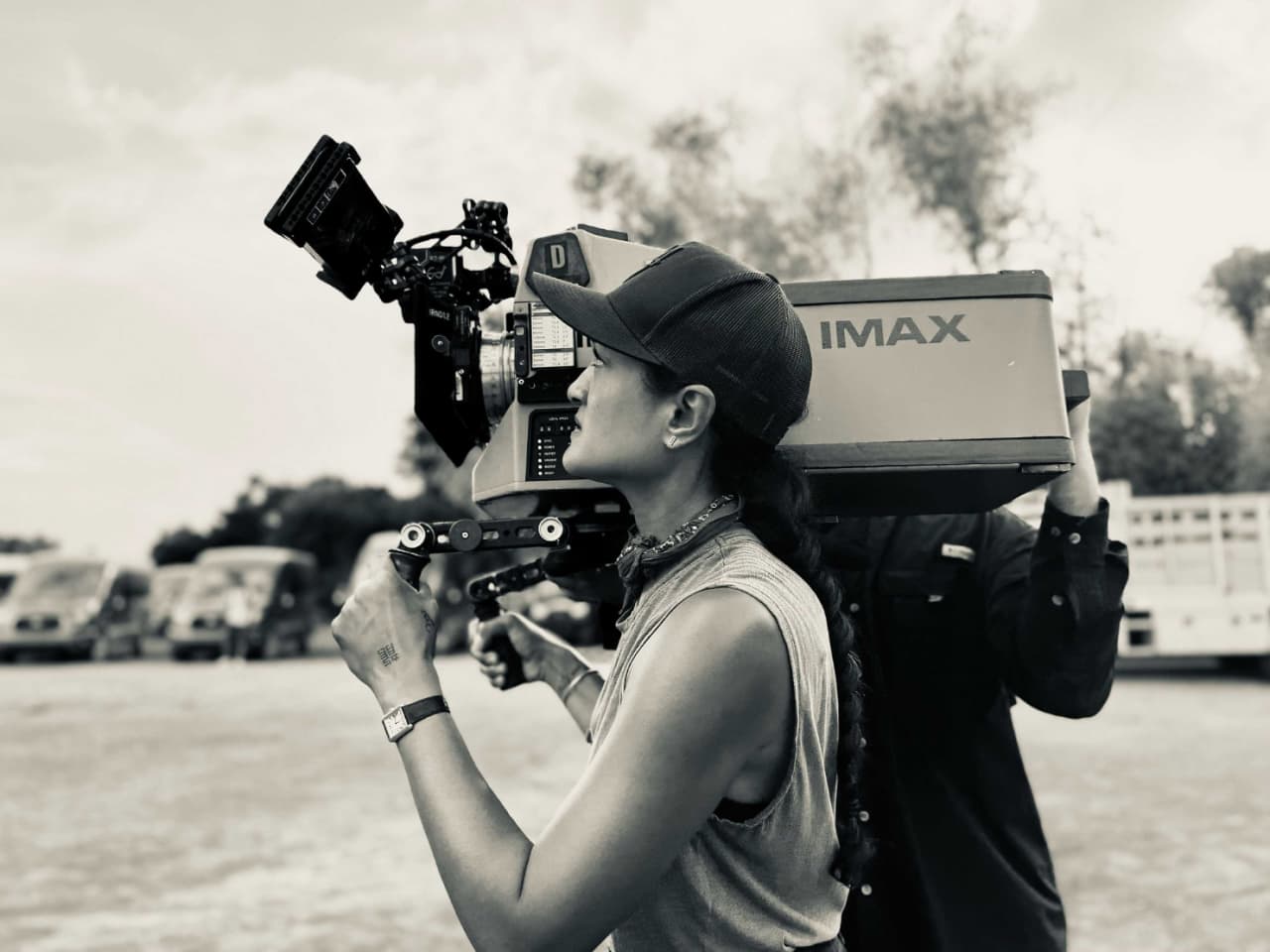
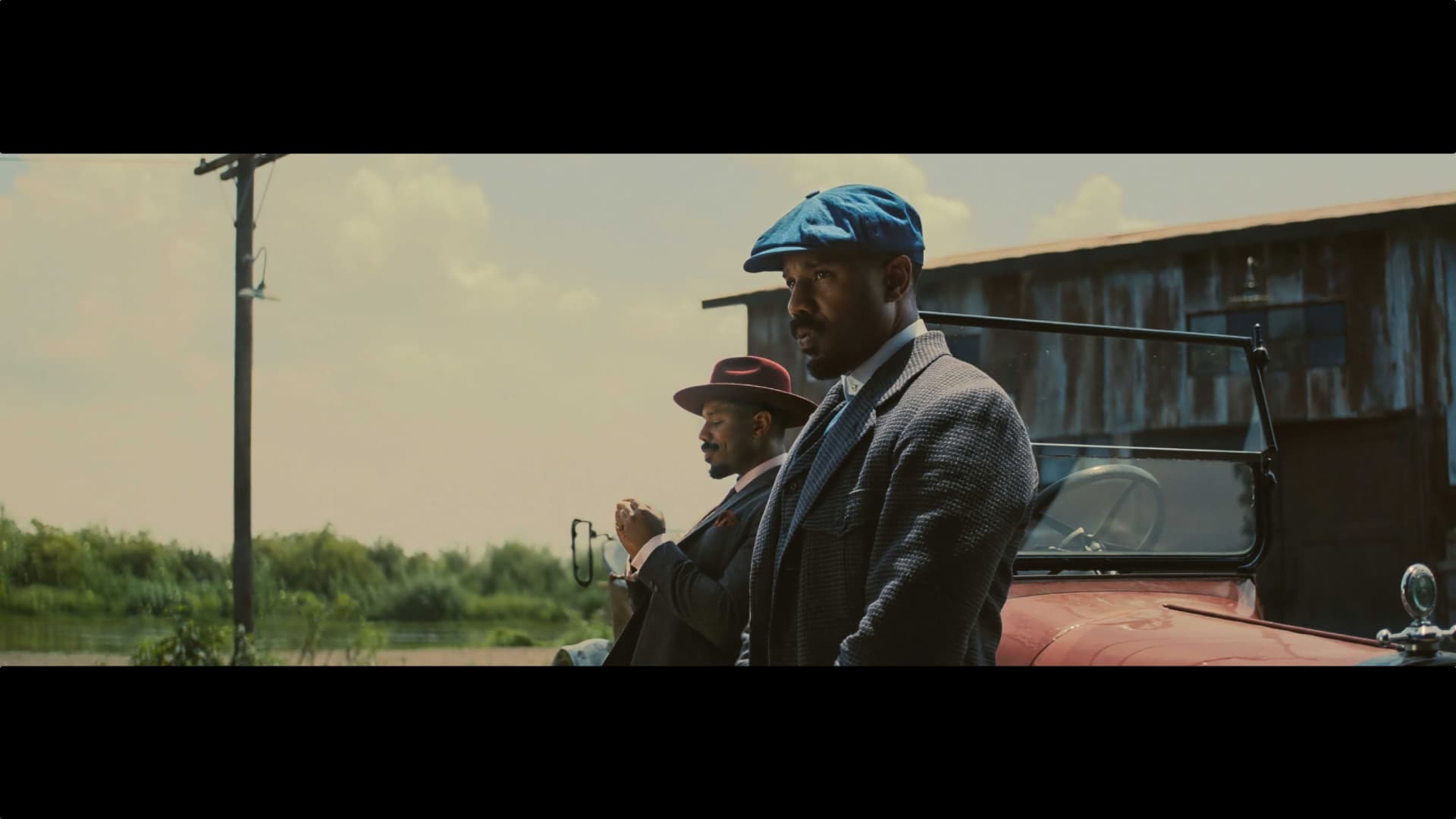
The record-breaker of this year's ceremony, garnering 16 nominations, the most in Oscar history, surpassing All About Eve (1950), Titanic (1997), and La La Land (2016). Sinners was shot on IMAX 65 mm film. Arkapaw, who previously photographed Black Panther: Wakanda Forever, used the format to capture the expansive, gothic Delta landscape of Ryan Coogler's 1930s Southern vampire gangster musical. Shouldn’t work on paper, very much does at the cinema. The combination of IMAX's monumental scale with intimate, moody interiors has been widely cited as one of the technical highlights of the year.
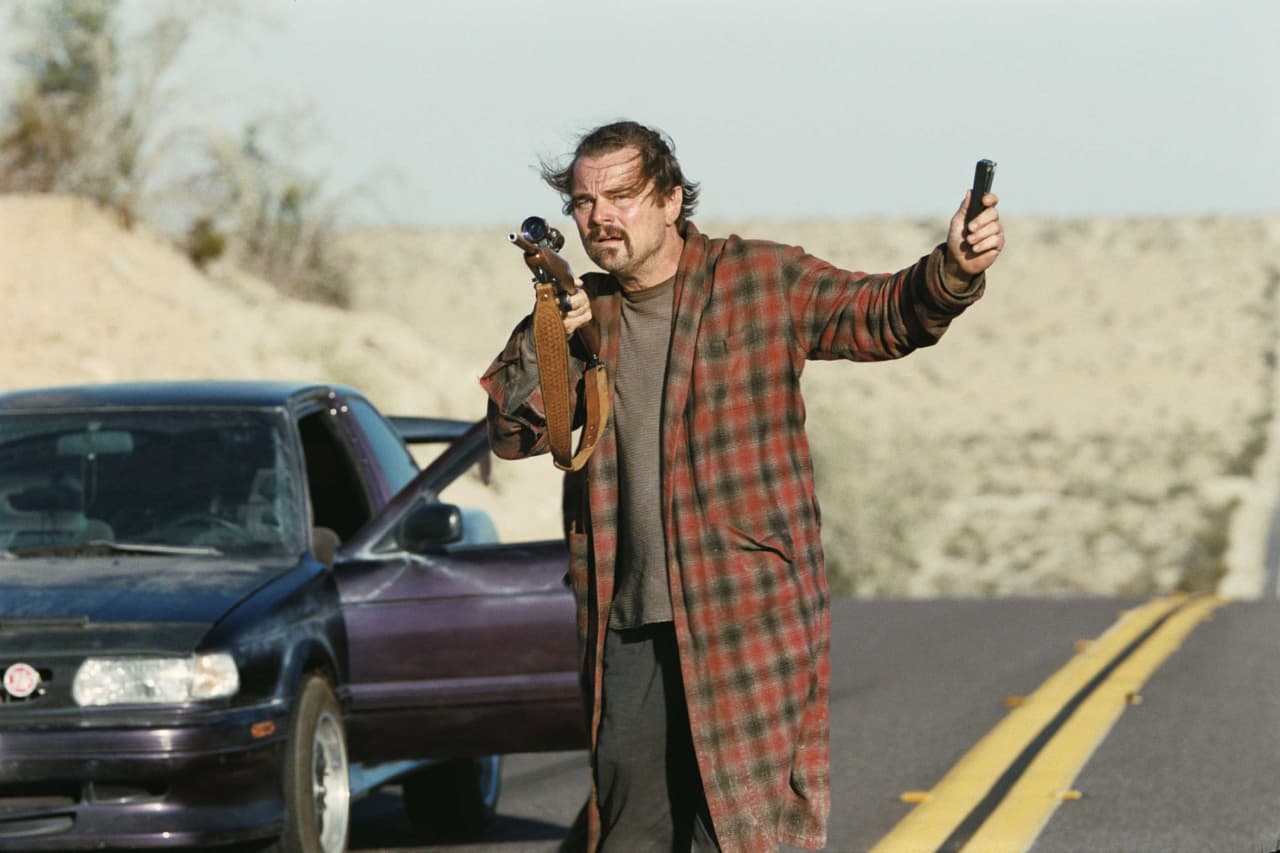
PTA's latest scooped up 13 nominations and is widely considered the frontrunner for Best Picture. It was shot on the Beaumont VistaVision camera and occasional 65 mm film, with Super 35 mm used for interior dialogue scenes where the camera needed to be in close proximity to the actors. The Beaumont is the louder of the two VistaVision cameras in circulation; the quieter Wilcam W11 (see Bugonia, below) was tested but deemed too temperamental for a production of this scale.
Guillermo del Toro's Frankenstein (nine nominations) went full digital with a dual-camera approach comprising the ARRI ALEXA 65 for principal photography and RED V-Raptor XL for miniature work, paired with Leitz Thalia and ARRI Signature Prime lenses. The ARRI gave Laustsen the deep shadows and sweeping compositional range that del Toro's gothic aesthetic demands, while the large-format ALEXA 65 sensor provides the image density to hold up in the film's more expansive sequences.
 Courtesy of Focus Features / © 2025 FOCUS FEATURES LLC
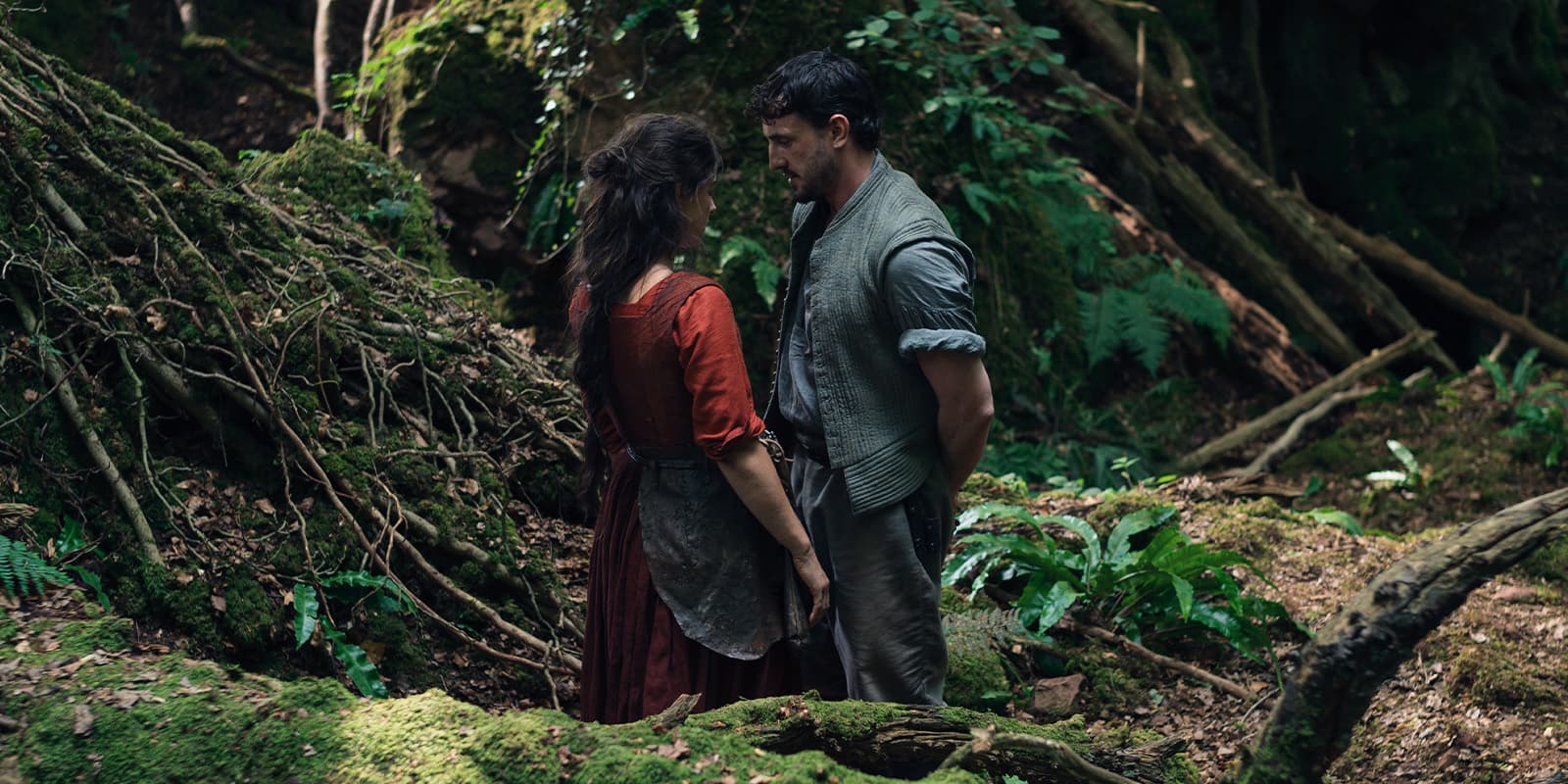
Shot on ARRI ALEXA 35 with vintage-inspired lenses, Hamnet (eight nominations, and already winner of the Golden Globe for Best Motion Picture (Drama)) was a deliberate exercise in restraint. Żal, whose previous work includes Cold War and The Zone of Interest, shot predominantly in natural light and developed a distinctive multi-camera POV for the film. This included using a CCTV camera as a narrative device —the POV of death itself —watching the characters throughout.
 Pic: A24
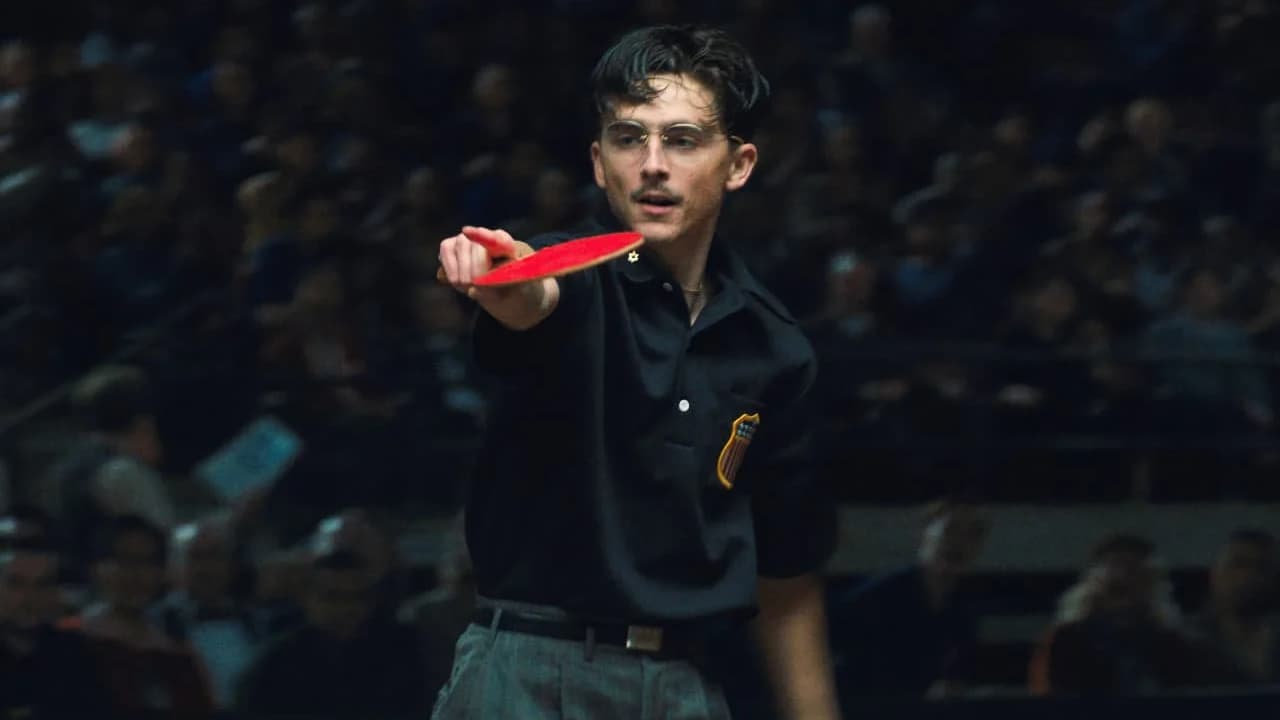
A hybrid of digital and film, Marty Supreme (nine nominations) was shot on Arricam LT/ST, and Arriflex 416 (35 mm film), with Panavision Series B, C, E and PVintage lenses. Khondji's approach gives the film both the grit of analog and the flexibility of digital, a combination well suited to Josh Safdie's characteristically kinetic visual style.
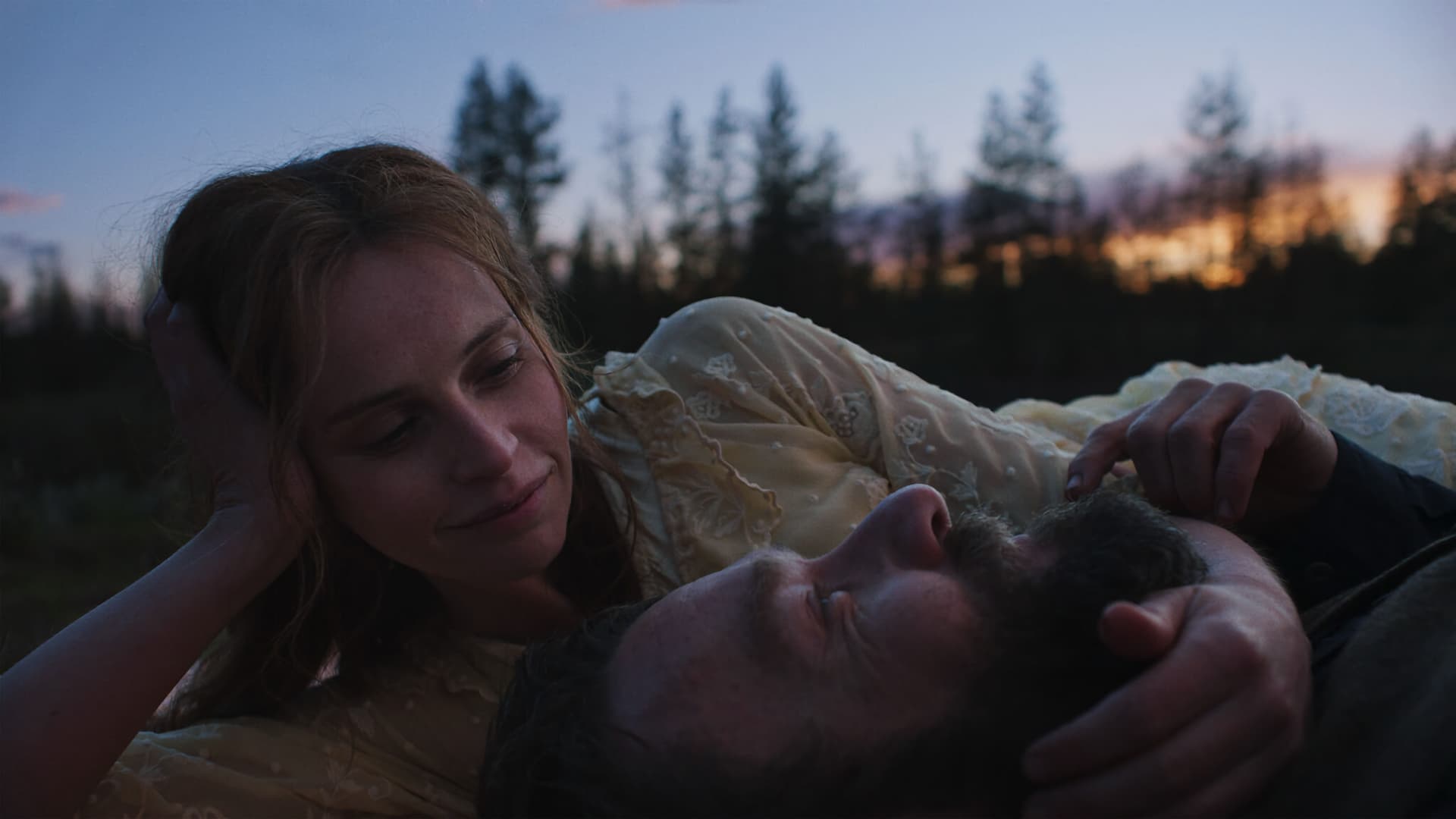 The quietest film on the list, Train Dreams was shot on ARRI ALEXA 35 with Kowa Cine Prominar, ARRI/Zeiss High Speeds, and Angenieux Optimo Ultra lenses. Veloso's approach is intimate and unhurried and the lens choices lean into vintage optical character rather than clinical precision, matching the film's measured, reflective tone.
The most technically eccentric choice of the year. Yorgos Lanthimos and his regular DP Robbie Ryan shot Bugonia on the Wilcam W11, the world's only 8-perf sync-sound VistaVision camera for the majority of the film, with a Beaumont VistaVision camera handling non-dialogue sequences. The Wilcam, rebuilt with new electronics and modern features including a 2K video tap, was sourced via Panavision Woodland Hills. Ryan also used prototype lenses originally developed by Panavision lens designer Dan Sasaki for One Battle After Another, which were borrowed for this production after that shoot wrapped. The pairing of an intentionally idiosyncratic, large-format analog system with Lanthimos's signature low-angle visual style gives the film a deliberately unsettling vibe.
Joachim Trier and his regular cinematographer Kasper Tuxen shot Sentimental Value on 35 mm Kodak film using an ARRICAM LT, with Cooke 5/i lenses for the contemporary sections of the story. For historical flashback scenes, they dropped down to 16 mm with vintage Cooke Varotal zooms and Super Baltars, and applied bleach bypass at the lab for additional visual separation. It's a considered, multi-format approach to a film that structurally spans multiple eras and sees the camera choices doing as much narrative work as the script.
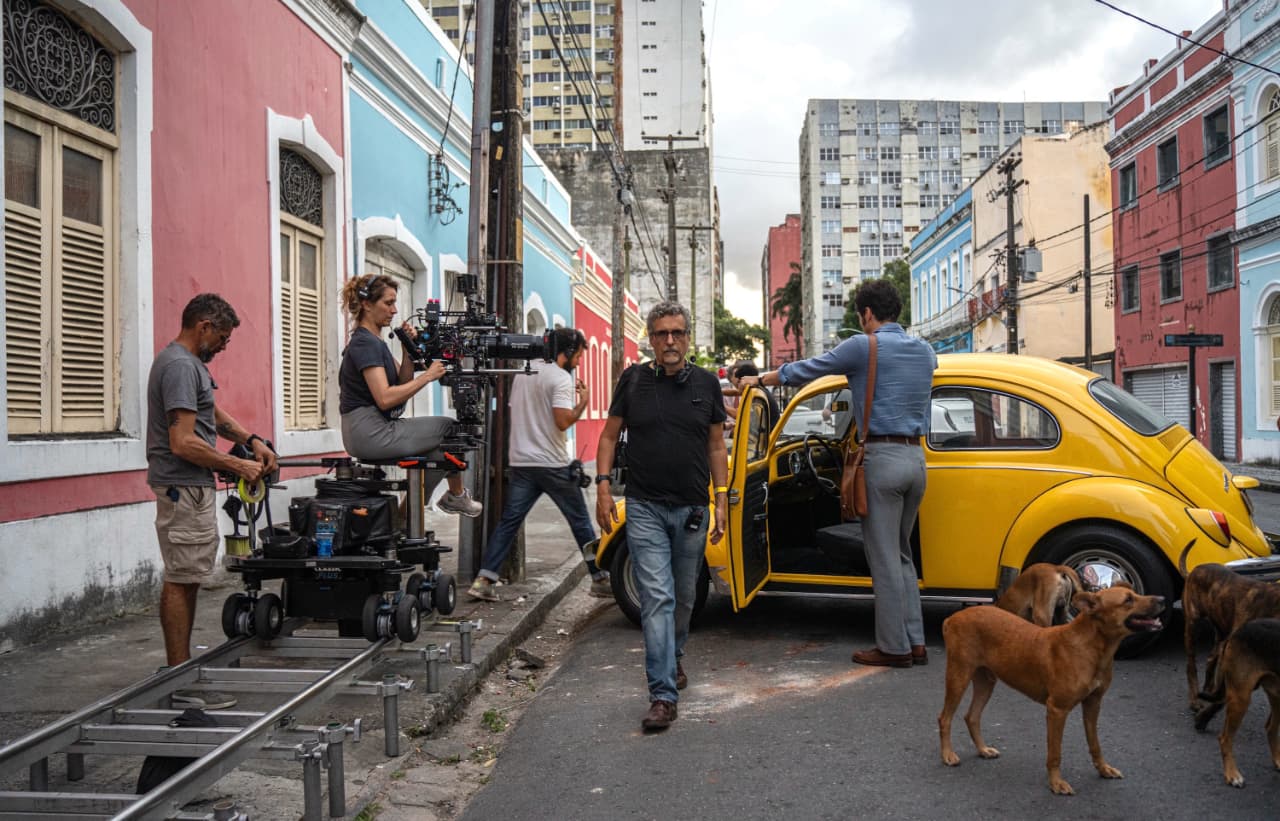 Cinematographer Evgenia Alexandrova AFC with the ALEXA 35 on a dolly, preparing one of the production’s many tracking shots. Pic: ARRI/Victor Juca
Shot on ARRI ALEXA 35 (with ALEXA Mini as B-camera), The Secret Agent pairs the pristine nature of its digital sensor with Panavision B Series anamorphic lenses chosen specifically for their imperfections. It is these aberrations, flares, and chromatic artefacts that lend the 1970s-set Brazilian political thriller a period-appropriate visual texture. Director Kleber Mendonça Filho, himself Recife-born, wanted an image that felt handmade and alive. The ALEXA 35's high-contrast handling proved well suited to the strong Brazilian sunlight that fills many of the film's outdoor sequences.
The outlier on the list in more ways than one (Oscar-worthy? Really?) F1: The Movie was shot on Sony VENICE 2 alongside a custom in-car mini camera system designed to withstand the extreme conditions of actual Formula 1 racing. Miranda, an Oscar winner for Life of Pi, pioneered the use of high-speed, car-mounted cameras that place the viewer inside the cockpit. The VENICE 2's X-OCN recording and wide exposure latitude made it the practical choice for the mixed lighting conditions of race-day environments, from full sunlight to the shadows of tunnels and garages.
Step back from the individual films and a clear picture emerges. The ARRI ALEXA 35 is the dominant digital tool of the current crop of films. it appears in Hamnet, Marty Supreme, Train Dreams, and The Secret Agent. It was by some distance the most-used camera at the 2026 Golden Globes too, with 15 projects filmed on it.
Also, it’s worth pointing out that The Brutalist's VistaVision revival last year was not a one-off: three nominees this year used the format, a striking statistic for a camera system that was effectively dormant for six decades.
The Sony VENICE 2 appears once, on the only genuine blockbuster in the Best Picture field. RED appears as a secondary camera on Frankenstein. Everything else is ARRI or film. It is, in short, a very ARRI-and-celluloid Oscars. This will come as little surprise to anyone who has been watching the broader trend toward analog revival in prestige filmmaking over the last two or three years.
One further detail worth noting: three of this year's nominees — One Battle After Another, Bugonia, and Sinners — were shot by directors of photography who also served as camera operators on their own films. That level of physical engagement with the image is, perhaps, another facet of the same instinct pulling cinematographers back toward the tactile nature of film.
Sinners — IMAX 65 mm film (DP: Autumn Durald Arkapaw)
One Battle After Another — Beaumont VistaVision / 65 mm film + Super 35 mm (DP: Michael Bauman)
Frankenstein — ARRI ALEXA 65 + RED V-Raptor XL (DP: Dan Laustsen)
Hamnet — ARRI ALEXA 35 (DP: Łukasz Żal)
Marty Supreme — ARRI ALEXA 35 + Arricam LT/ST + Arriflex 416 (DP: Darius Khondji)
Train Dreams — ARRI ALEXA 35 (DP: Adolpho Veloso)
Bugonia — Wilcam W11 VistaVision + Beaumont VistaVision (DP: Robbie Ryan)
Sentimental Value — ARRICAM LT 35 mm + 16 mm Kodak film (DP: Kasper Tuxen)
The Secret Agent — ARRI ALEXA 35 + ALEXA Mini (DP: Evgenia Alexandrova)
F1 — Sony VENICE 2 + custom in-car cameras (DP: Claudio Miranda)
Tags: Production Cameras cinematography Oscars Academy Awards


RedShark 2020 @ All rights reserved.

Comments