3 minute read

Meta has just announced the eagerly-anticipated Meta Ray-Ban Display AI glasses and accompanying Meta Neural Band, and on paper at least it looks like it might just have nailed it.
We wrote about these glasses at length a month ago back when they were still being referred to by their Hypernova codename. At the time we pointed out that none of the high-profile smart glasses launched onto the market had really hit the sweet spot. Google Glass was way ahead of the supporting tech stack; Apple Vision Pro is a) too bulky and b) too expensive; Magic Leap turned out to be all hype and very little substance; and probably the most succesful in the field to date were the $299 Ray-Ban Meta Smart Glasses.
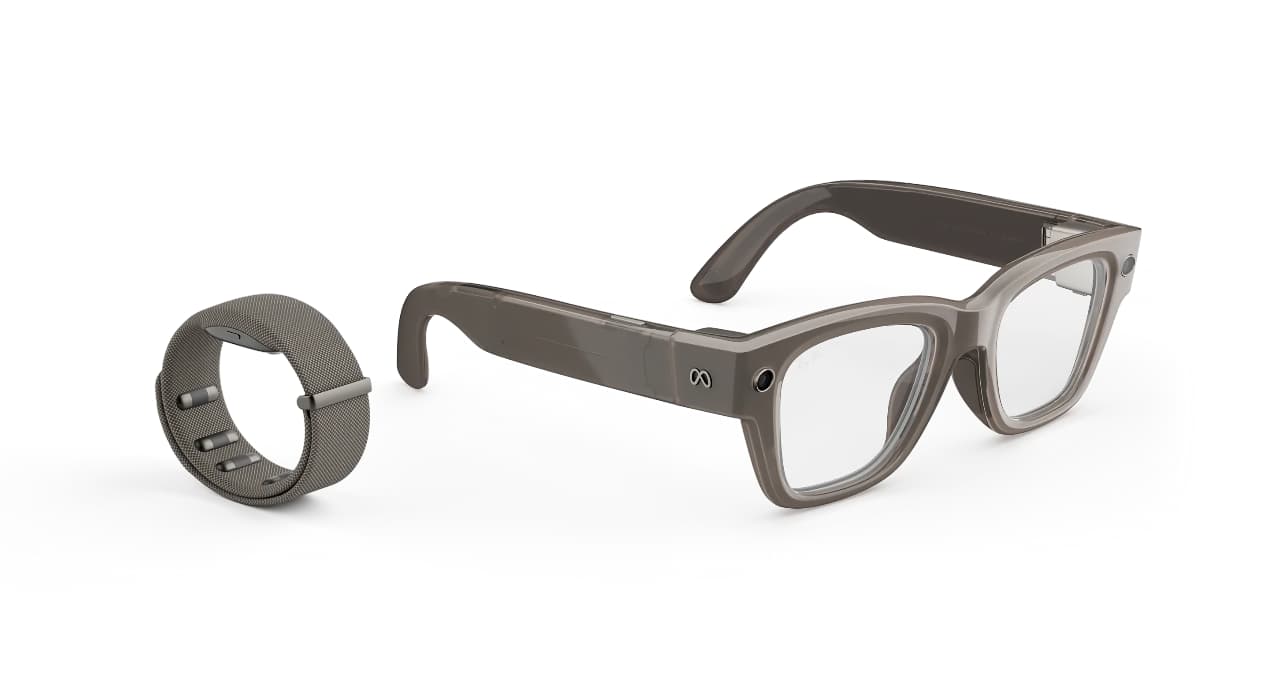
Now, we know exactly what their successor and big brother looks like, when they will launch, and how much they will cost: a tad bulky, September 30, and $799.
Here's Zuck announcing them at Meta Connect 2025 yesterday.
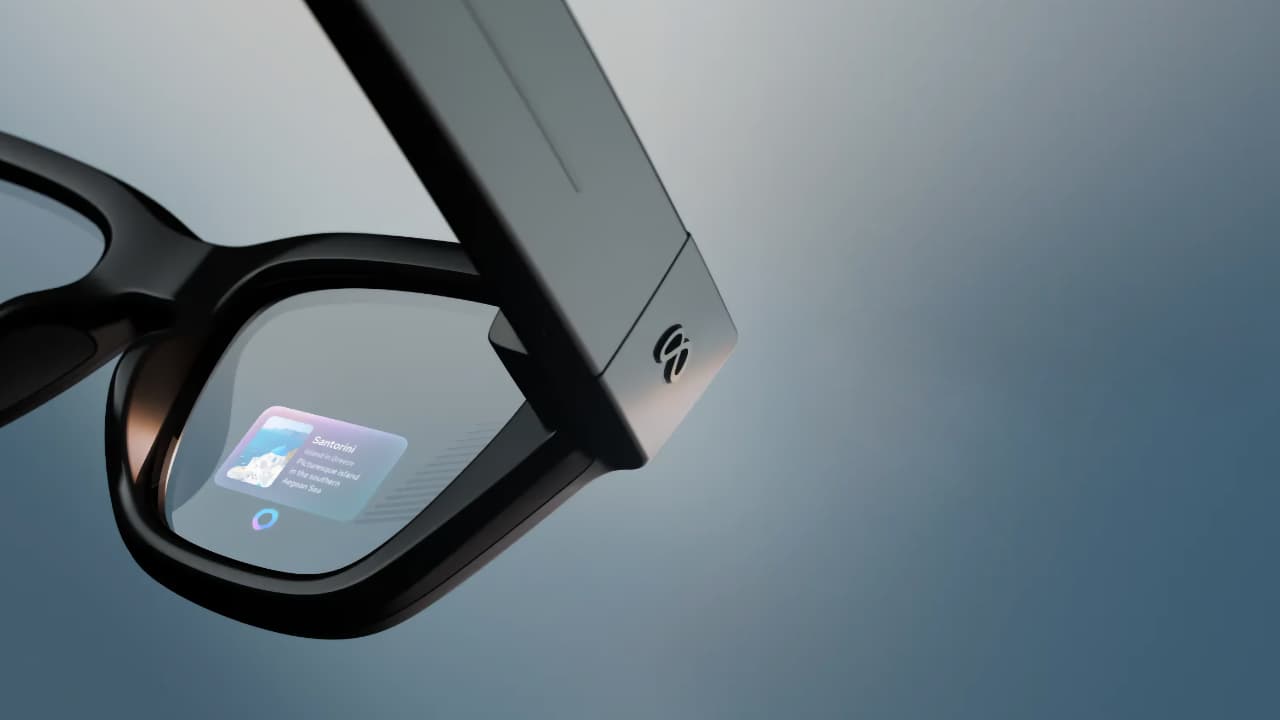
The raison d'etre of the Meta Ray-Ban Display glasses is to provide you with contextual information. They use an integrated 600x600 optical display and a micro-projector to project images and text onto the right lens of the glasses. The glasses also feature Bluetooth speakers, camera, microphones, a touch sensor, an EMG wristband, advanced voice commands and connectivity powered by the Meta AI platform.
At launch you can integrate WhatsApp, Messenger, Instagram, Spotify, Audible, iHeart, Google Calendar, Outlook, Shazam and Amazon Music apps with the glasses. No Apple apps? No surprise really, though you can pair them with iPhones and Android phones equally.
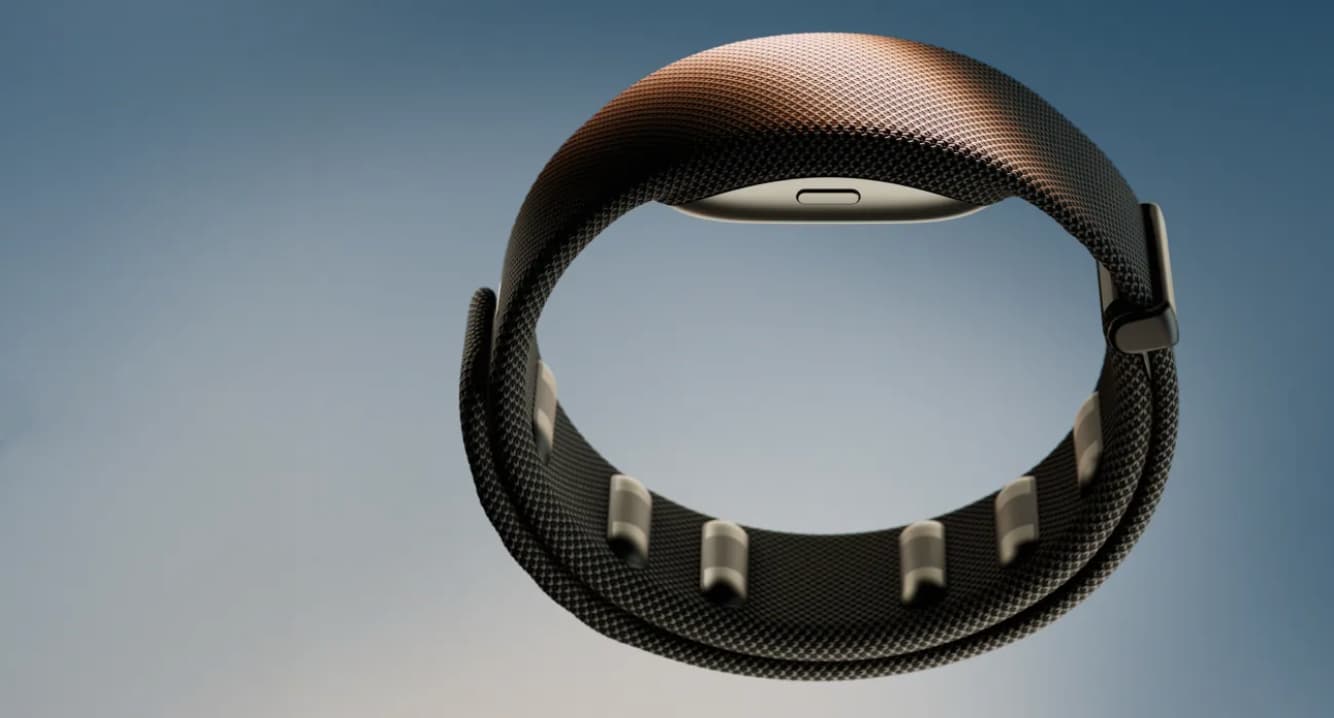 One of the key design choices made by the Meta team is to shunt a deal of the control to the Meta Neural Band. This uses electromyography (EMG) to measure muscle activity at the wrist from electrical signals based on your intended action. Machine learning then translates these signals into digital commands that operate your glasses.
This looks like it offers a few advantages over glasses-mounted camera trackers. The band doesn't require your hand to be within a camera's field of view, allowing for more natural interaction even in low-light conditions, and it captures micromotions such as tapping and writing with your finger that accelerometers traditionally don't excel at.
Meta says that the introduction of the Meta Ray-Ban Display glasses opens up a new third category of wearables from the company. These are:
"We’re continuing to work on a consumer version of our Orion prototype that we showed at Connect last year, so stay tuned," the company states.
 Essentially, this is the first step to taking phone functionality out of your phone and putting it hands-free in front of your eyes. So, we're talking about navigation, messaging, quick info via integrated apps such as weather reports or more detailed queries via Meta AI, generating social media content, realtime conversation captioning (accessibility is one of Meta's key focuses here), playing music... pretty much the whole kit and caboodle.
The 12MP camera is inherited from the existing Ray-Ban Meta Smart Glasses and is significantly underspecced compared to the latest generation of smartphones. It will give you 3024 x 4032 images and capture 1440 x 1920 video @30 fps. 32 GB onboard flash storage should accommodate 500+ photos and 100+ 30s videos, so you will want to be offloading that fairly quickly.
Against that though is the old argument that the best camera is the one you have with you, which needs to be upgraded to state that the one you have with you sitting on your face is possibly the best of all. And the ability to use the Neural Band to control the 3x zoom by rotating your fingers is undoubtedly cool.
The Meta Ray-Ban Display starts at $799, which will include both the glasses and the Meta Neural Band. They're initially exclusively available for purchase in physical shops, and only in the US. Expansion to Canada, France, Italy, and the UK is planned for early 2026. You can schedule a demo at an authorised retail location here.
Tags: Technology Meta Meta Ray-Ban Display


RedShark 2020 @ All rights reserved.

Comments