5 minute read

Page Marsella on how she edited Oscar-nominated documentary The Alabama Solution: contraband cell phone footage, a 4-hour first cut, and two years of shaping a story.
In 2019, filmmakers Andrew Jarecki and Charlotte Kaufman (HBO’s The Jinx) visited an Alabama prison, where, off camera, incarcerated men whispered a message: terrible things are going on and being kept secret. This reveal sparked an immersive six-year investigation to discover the reality behind one of the nation’s deadliest prison systems. With unprecedented access and video shot on contraband cell phones, the directors learn of a suspicious and violent death, which wasn’t an isolated incident and that the official version appears far from the truth.
A shocking story of brutality, corruption, and a system in collapse, The Alabama Solution shines a light on the inmates fighting for their survival who, against all odds, embark on a powerful campaign of resistance. It was edited by Page Marsella, a documentary film & television editor and producer living in Los Angeles, who currently has projects running on HBO, Netflix, Amazon, and Hulu, in addition to a variety of projects in development.
In 2023 she worked as lead editor and co-producer of the critically acclaimed 3-part Hulu series Stolen Youth which Variety cited ‘stands out within its genre - it feels not just ‘true’ but real; an unusually sensitive and strong outing.’ And in 2019 she worked as an editor on the final two seasons of the critically acclaimed Netflix documentary series Last Chance U, which won the Emmy for Outstanding Serialized Sports Documentary in 2020.
This is how she tackled the mammoth task of creating a narrative from the footage the team collected from the Alabama prison system.
RedShark: How did you first get involved with The Alabama Solution? What drew you to it?
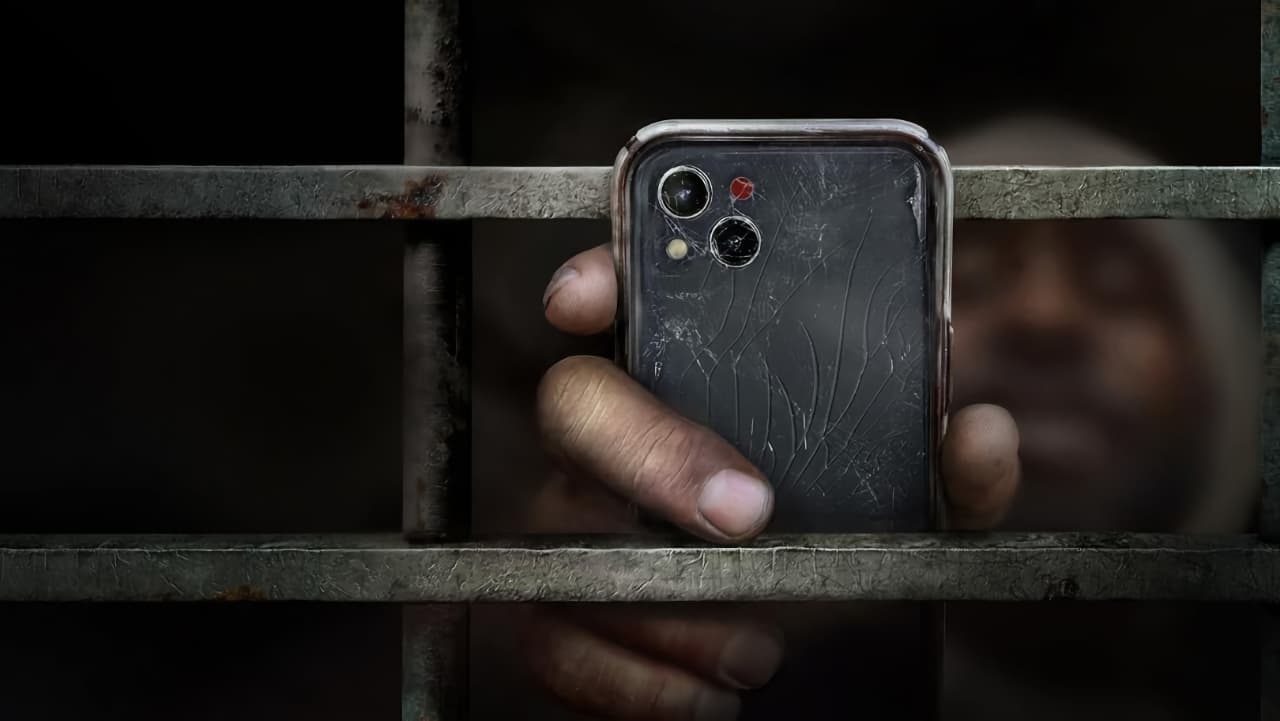
Page Marsella: I first heard about The Alabama Solution when co-director Charlotte Kaufman reached out to me on the recommendation of Andrew Helms, a producer I had previously worked with on Stolen Youth. They had been in various stages of editing The Alabama Solution for a few years but were looking for someone to be a real partner in crafting the various storylines. I was drawn to the project because a film had never before been made with contraband cell phone footage of incarcerated people documenting their life from the inside. I knew this was a rare and incredible opportunity if we could pull it off.
How did you work with directors Andrew Jarecki and Charlotte Kaufman? What workflow did you establish to handle the film?
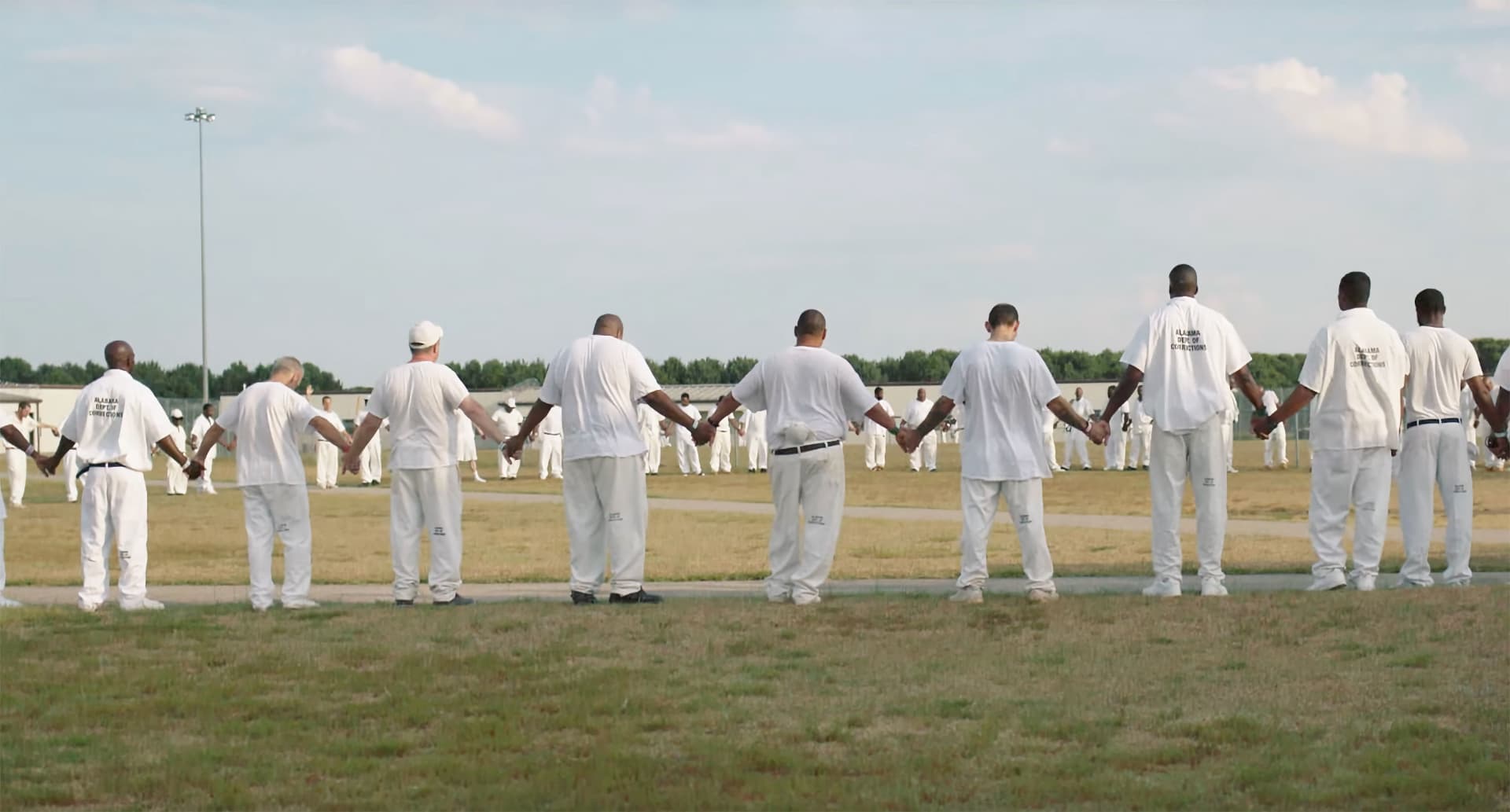
Andrew and Charlotte are brilliant investigators and just genuinely curious people. When they were given the rare access to film a BBQ at Easterling Prison in 2019 they went in with no agenda. This would eventually become the first scene of the film because upon arrival they were almost immediately approached by incarcerated men desperate to tell their story. They knew they had to dig deeper, and that began their 6 year journey.
When I joined the project, we knew there was the investigative thread of the horrific murder of Steven Davis at the hands of prison guards, but their investigation had also taken them to so many other places. Because mass incarceration is an enormous subject, they spoke to lawyers, educators, victims rights groups, reporters, corrections officers, and of course the incarcerated men.
The struggle was never in a lack of footage but more so how to reach a large audience in a captivating way while dealing with some really heavy stuff. They both gave me a lot of freedom to dive into all the footage when I joined, and I quickly felt the incarcerated men were the most brilliant voices and really the only people I wanted to hear from in terms of what was actually going on inside these prisons. From there I started crafting the different threads that we knew were important - forced labor, guard abuse, drug addiction...but also making sure to include the beauty and humanity of these men.
 What were the main challenges you faced? What editing techniques and processes did you use to meet them?
When you’re dealing with a subject like mass incarceration and the criminal justice system, there are so many facets that it feels almost insurmountable. You want the audience to feel as moved and outraged and shocked and sad and touched as we all became. There’s no way to tackle every single issue that factors into a systemic problem but we did our best, and the men helped us immensely with their wisdom.
The process was editing, editing, and more editing. I am constantly rewatching footage, going back to the material, scouring the bins, and there is always something new to be found or something that unlocks a new piece of the story.
Name two things: your favorite scene in the movie and the most difficult one to cut. Why these two in particular?
My favorite scene to cut was the entire section of Robert Earl (Kinetik Justice) telling us the history of Halifax County all the way through the creation of FAM (the Free Alabama Movement). I remember first seeing the raw footage of Melvin and Kinetik describing it and I couldn’t believe that for decades inside these walls, the men had basically created their own law school which they called Halifax County, and passed their knowledge down for generations to help each other with their own legal cases as well as documenting abuse within the prisons.
They were so brilliant in taking their power back and we see in the film that they were ultimately punished, as Melvin Ray says in the film, ‘for having the thought to be free.’ I think my initial cut of Halifax County alone was 30 minutes because I was so fascinated by the history of what they had taught themselves and seeing that they had often succeeded in legal settlements. It also was a perfect example of the beauty and humanity that these men share, and that was very important for me to show.
As for the hardest scene to cut, there were so many, but definitely the aftermath of the attack on Robert Earl by guards and the following scene going to his family’s house. I don’t think there were any viewings where I wasn’t emotional seeing the footage of his blood on the floor, seeing Raoul and Melvin’s reactions, and seeing his family members struggle with getting zero information from the Department of Corrections.
 How did the movie evolve? How differently do you see it compared to when you first started?
There were initial thoughts that this may work as a series because of the scope, but we came to realize that you only get one shot with an audience with something this heavy. Once we knew it would work best as a feature, the first cut was about 4 hours, and from there it was a constant shuffling of the puzzle pieces to be sure we were getting the narrative weave of the various threads right. It is a delicate dance to leave one story, move to another, and keep the momentum going without boring an audience. Also films that are data heavy don’t usually work for me because I always need a story to connect to and so I was constantly removing any informational cards that didn’t feel absolutely necessary.
Apart from Premiere, what tools do you use and why?
For this project we used Frame One for our remote work, and we used Frame.io to post and note cuts.
Which brings us to why Adobe Premiere itself. What do you like about using it?
I think Premiere makes editing easy, especially for people just getting into editing because it’s not fussy. You really can just start cutting, throw stuff all over the timeline, and learn any tools you may need as you go. It’s super user friendly and very easy for directors who want to look at footage on their own. Once Premiere Productions entered the scene, it changed the game (PSA to all AE’s: always make a Productions project from the start!).
Widening it out a bit, how has editing changed over the course of your career? Trends, tools, timeframes: what is different now compared to when you started?
When I started editing I think everyone trusted audiences a bit more. I hope we can get back to that place. I never like films that spoon feed me how I should feel or repeat the same information over and over, and I don’t think it benefits critical thinking to work that way.
I know the thought is that people are on their phones and not paying attention but I always like to work from a place where I’m not catering to that person. Timeframes in general have gotten smaller because budgets have shrunk, and I don’t think the best work is ever made when a team is rushing to churn stuff out. Crafting a great story takes time! I was lucky on The Alabama Solution to have 2 years for the edit, but that is almost non-existent these days.
Finally, what’s next? What is the next project we will see your work on?
I am in the process of choosing my next project! I try not to work on similar subject matter from project to project and so far have been very lucky in editing and producing a wide range of work from sports, to comedy, to social and political subjects. Maybe a music documentary next?
Tags: Post & VFX Editing Adobe Premiere Inside the Edit


RedShark 2020 @ All rights reserved.
Comments