2 minute read

Digger opened to just $20 million worldwide on a reported $125 million-plus budget. The VistaVision-shot satire shows no format can carry a film alone.
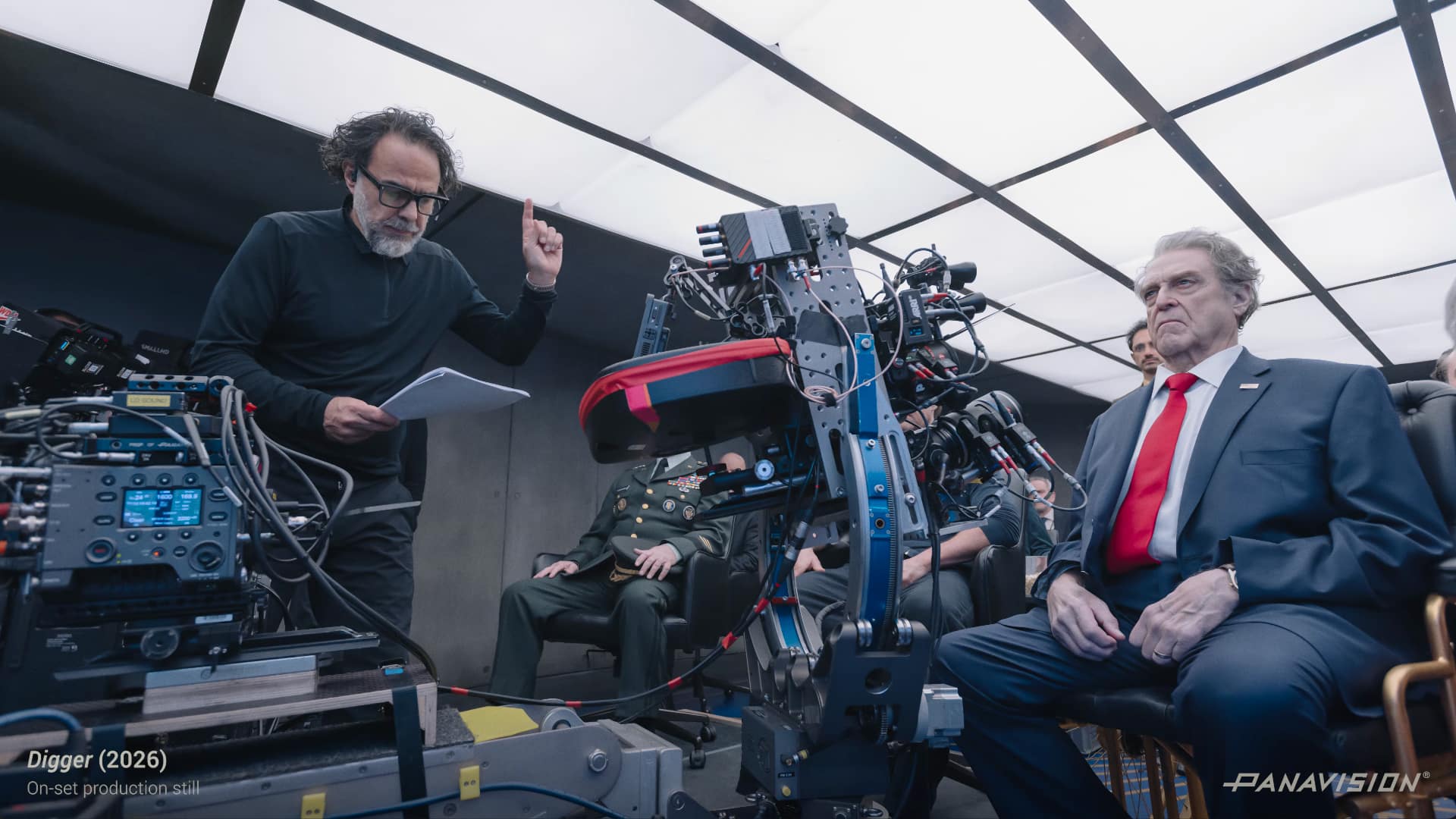
Back in July, an interview was released with Tom Cruise talking about the use of VistaVision in his then upcoming movie satire Digger. It was notable for the fact that, whatever you may think of him personally, Cruise has a definite feel for the craft of making films. In it he talks about the different film and digital formats used in his movies over the years, shows a great understanding of lenses, and also talks about making movies look like movies.
Digger is a satirical comedy from Alejandro G. Iñárritu, starring Cruise as oil tycoon Digger Rockwell. Emmanuel “Chivo” Lubezki ASC AMC is the cinematographer, reuniting with Iñárritu after Birdman and The Revenant. On paper it all works fine, but it’s currently on track to be one of the biggest flops in Hollywood history.
Estimates are that when you factor in marketing costs, Digger has to make somewhere between $300 and $350 million to break even. It opened at a meager $20 million worldwide, and Variety estimates that it is on track to lose around $245 million over its theatrical run.
This caps an awful run of movies for Warner Bros., now of course part of Skydance, which now must just be closing its corporate eyes and wishing for the release of Dune: Part 3 in December.
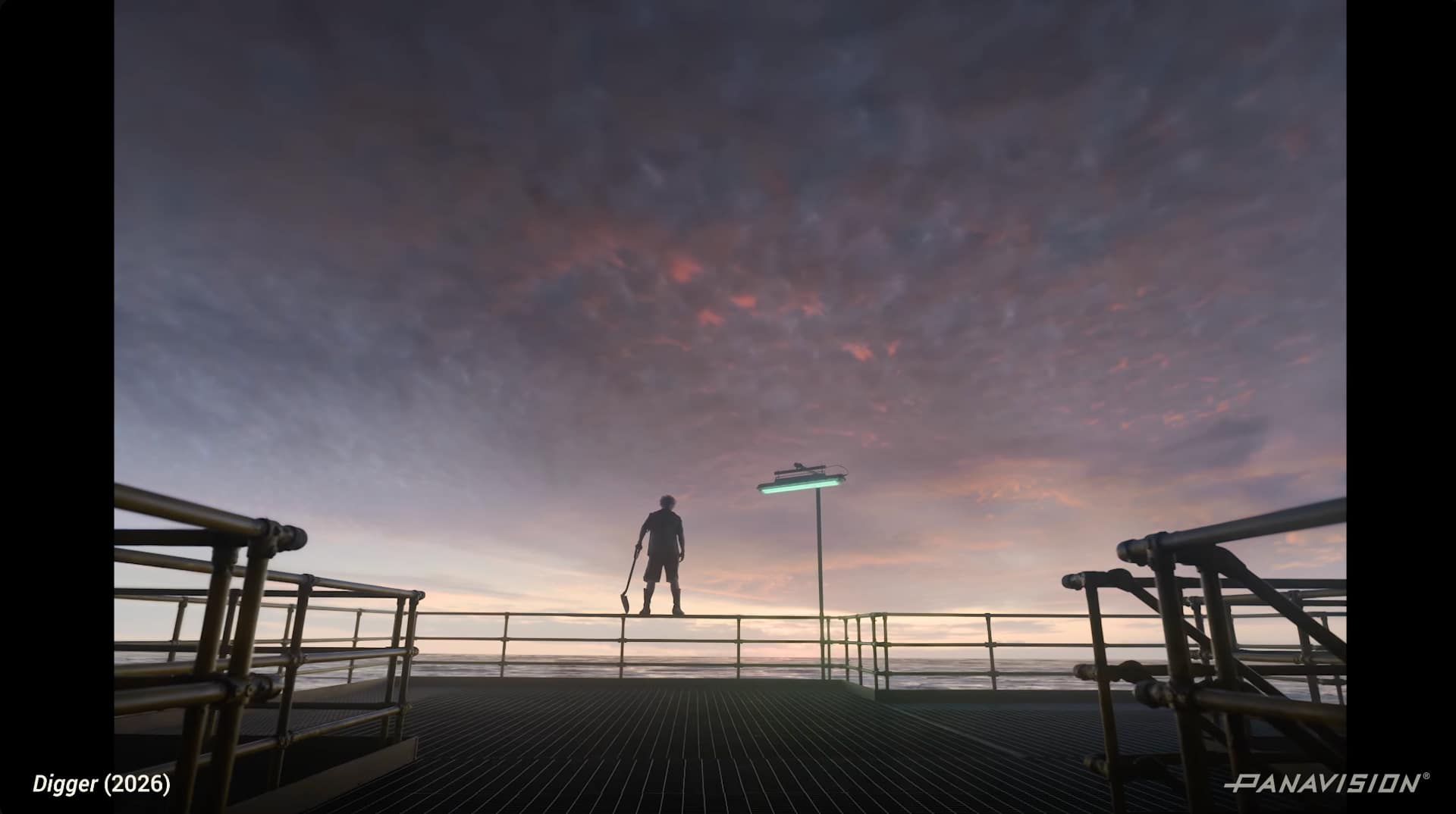 Cruise says the production tested VistaVision against 65mm, and in winning that screening battle, VistaVision has its first notable flop of the modern era.
The format runs 35mm film horizontally through the camera, so each frame spans eight perforations instead of the usual four, roughly doubling the negative area per frame. Paramount developed it in the 1950s, and it was used on films including White Christmas and Hitchcock’s Vertigo and North by Northwest, before the cameras then effectively sat on storeroom shelves for six decades.
The modern revival came with The Brutalist, shot mostly in VistaVision by Lol Crawley, who won the 2025 cinematography Oscar. That sort of thing gains attention and, as a cheaper alternative to shooting 65mm, even VistaVision’s use of problematic and noisy kit has failed to dampen enthusiasm for the format. Paul Thomas Anderson’s One Battle After Another reportedly ran around 1.5 million feet (457 km, or 284 miles) of film through its antique cameras. Bugonia used a Wilcam W11, and Wuthering Heights and Narnia: The Magician’s Nephew have also gone the same route. M. Night Shyamalan’s Remain is reported as next.
Lubezki shot Digger in 8-perf VistaVision on a Beaumont camera, with custom-adapted Panavision lenses that include a 29mm used for much of the film. It was not the only camera. A Sony Venice 2 and an ARRI Alexa Mini LF served as B cameras.
The fact that it was shot primarily on VistaVision, though, has been used as a peg in the marketing of the film, as the Why ‘Digger’ needed to be filmed in VistaVision video below shows.
But if Digger shows anything it’s that, with the exception perhaps of native IMAX 70mm, audiences care less about what a film was shot on than whether it’s any good or not. Have to say, it does look lovely though.
Tags: Production Cameras VistaVision


RedShark 2020 @ All rights reserved.

Comments