2 minute read

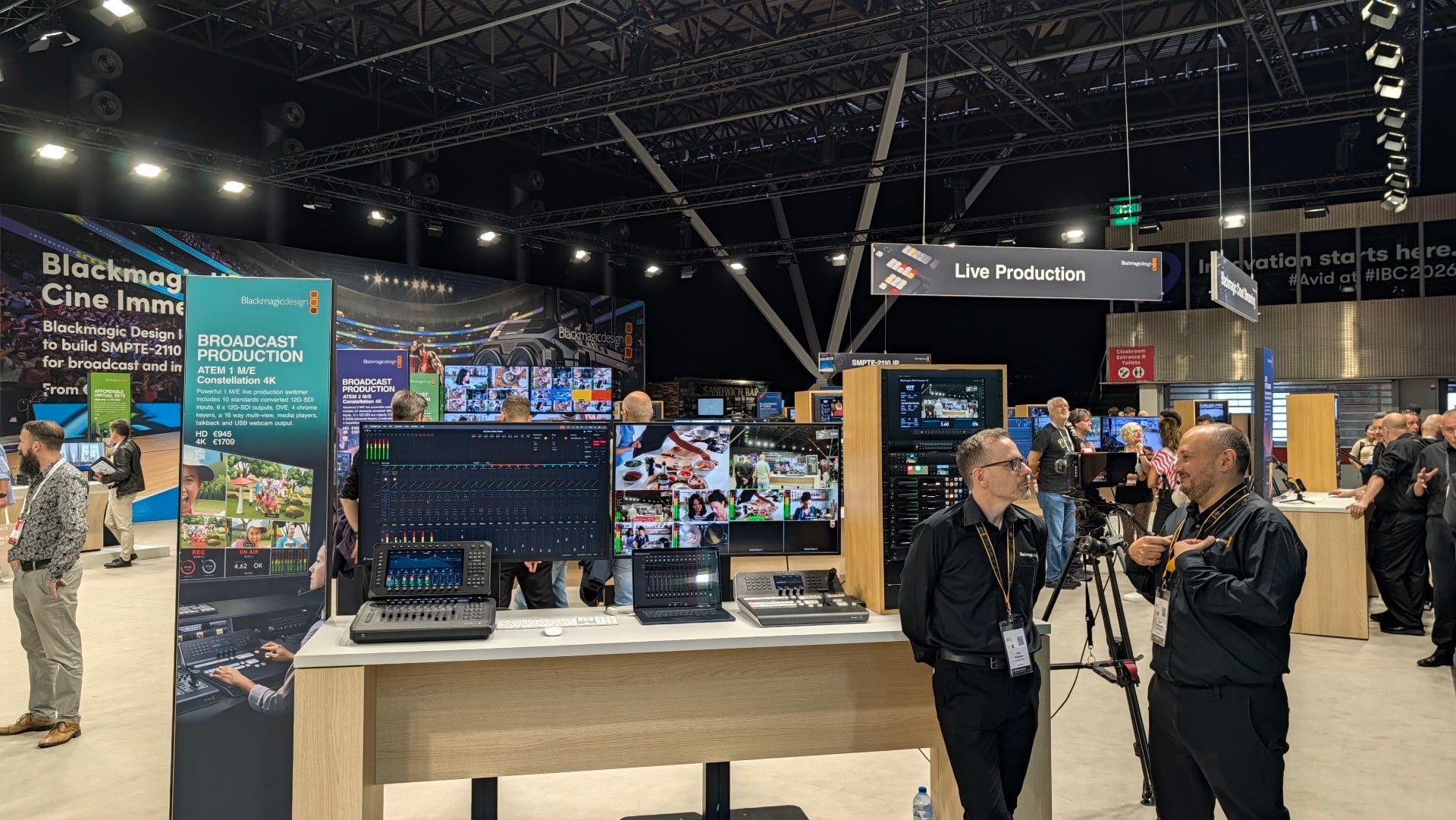
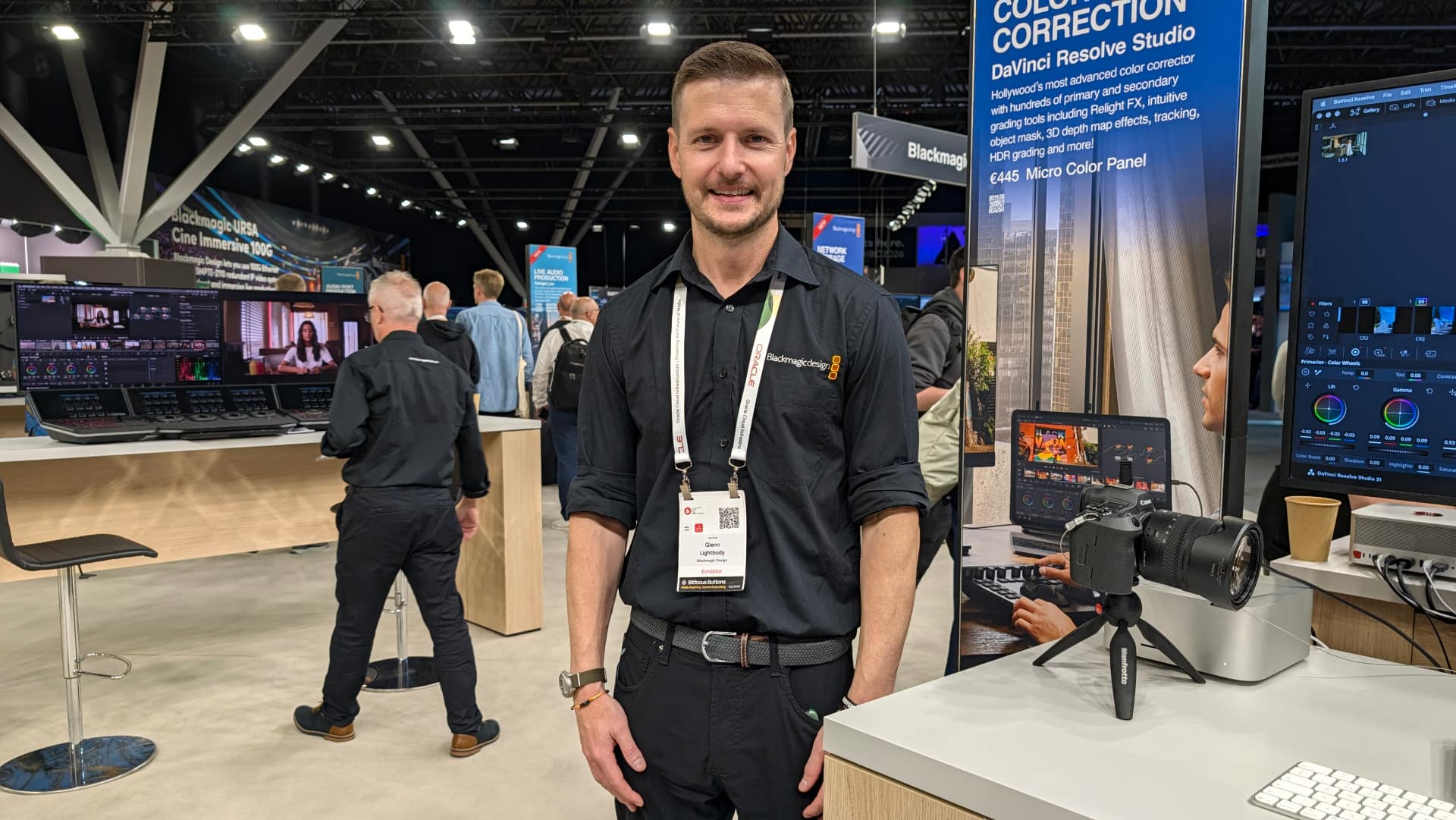
Blackmagic Design's Glenn Lightbody talks to RedShark at IBC about why AI in DaVinci Resolve is staying firmly in an assistive role, plus camera news including the URSA Cine 17K 65's stage-capture work.
Blackmagic Design is bringing AI deeper into DaVinci Resolve, but only as an assistant, and not, at this stage, going as far as using generative AI for synthetic audio and frame generation.
BMD Marketing Director Glenn Lightbody told RedShark that Blackmagic has been integrating models such as Claude and ChatGPT into Resolve 21.1 to simplify complex editorial tasks.
"The goal is not to trivialise creative jobs but to remove repetitive labour," he stressed. "AI should be used as a tool to help people develop their craft. The idea is to take what would be a massive task and make it easier."
One of the most significant additions in Resolve 21.1 is the ability to generate highlight reels automatically using natural language prompts. Use cases range from automating tasks like organising media or updating project settings, to creating a highlight reel from a longer video.
"If you were filming an event like this [IBC] with four or five takes, you can talk to Resolve in everyday language and it will create a highlight reel for you in real time," Lightbody explained. "It analyses the image, analyses the takes, and produces what it feels is your style."
Crucially, Resolve's AI learns from each individual user. "It becomes an assistant. That's essentially what it is," he said. "Each AI embedded in Resolve learns over time from that particular user."
Lightbody said Blackmagic would be "remiss" not to explore generative AI further, including frame creation for missing shots, though he stopped short of confirming timelines.
Beyond AI, Blackmagic is expanding Resolve's Cut and Edit pages and significantly enhancing the Photo page to support photographers and hybrid shooters. The company’s one-time-purchase model, he said, remains central.
"Everybody has to wear many hats now," he said. "Resolve allows people not only to do their own job but expand their portfolio, without a subscription.”
[Our story from NAB, Will DaVinci Resolve Studio upgrades stay free? Grant Petty hints at change, is an interesting read that adds further context to that quote. Ed.]
 Resolve v21.1 was the main production news from Blackmagic at this IBC, but it was also showing its growing fleet of imagers, including the URSA Cine Immersive for Apple Vision Pro and the URSA Cine 17K 65, which was recently used by DOP Ed Goldner to shoot Treasure & Dirt, a BBC and ABC co-production mini-series and the first long-form programme made in Australia in the format.
Lightbody said the industry is moving decisively toward cinematic imagery across genres, including episodic TV, news and live events.
"Even news tries to make it as cinematic as possible to get the user engaged," he said. "Large sensors and modern lenses make that achievable."
He cited the URSA Cine 17K 65's stage-capture capability as an example of how ultra-high resolution is enabling new workflows, including live-to-cinema distribution.
"We're not chasing resolution, but when you've got 17K you can pinpoint what you want to see within the screen, zoom in, select a frame and you don't lose fidelity outputting to 1080p."
He said there has been interest from West End stage shows in using the camera to record a production live in BRAW, then colour-calibrating the feed for streaming online.
"We don't want to create barriers for users," he said. "Grant [Petty] wants people using our products and creating something, whichever way they go."
Tags: Post & VFX Blackmagic Design DaVinci Resolve IBC2026


RedShark 2020 @ All rights reserved.

Comments