5 minute read

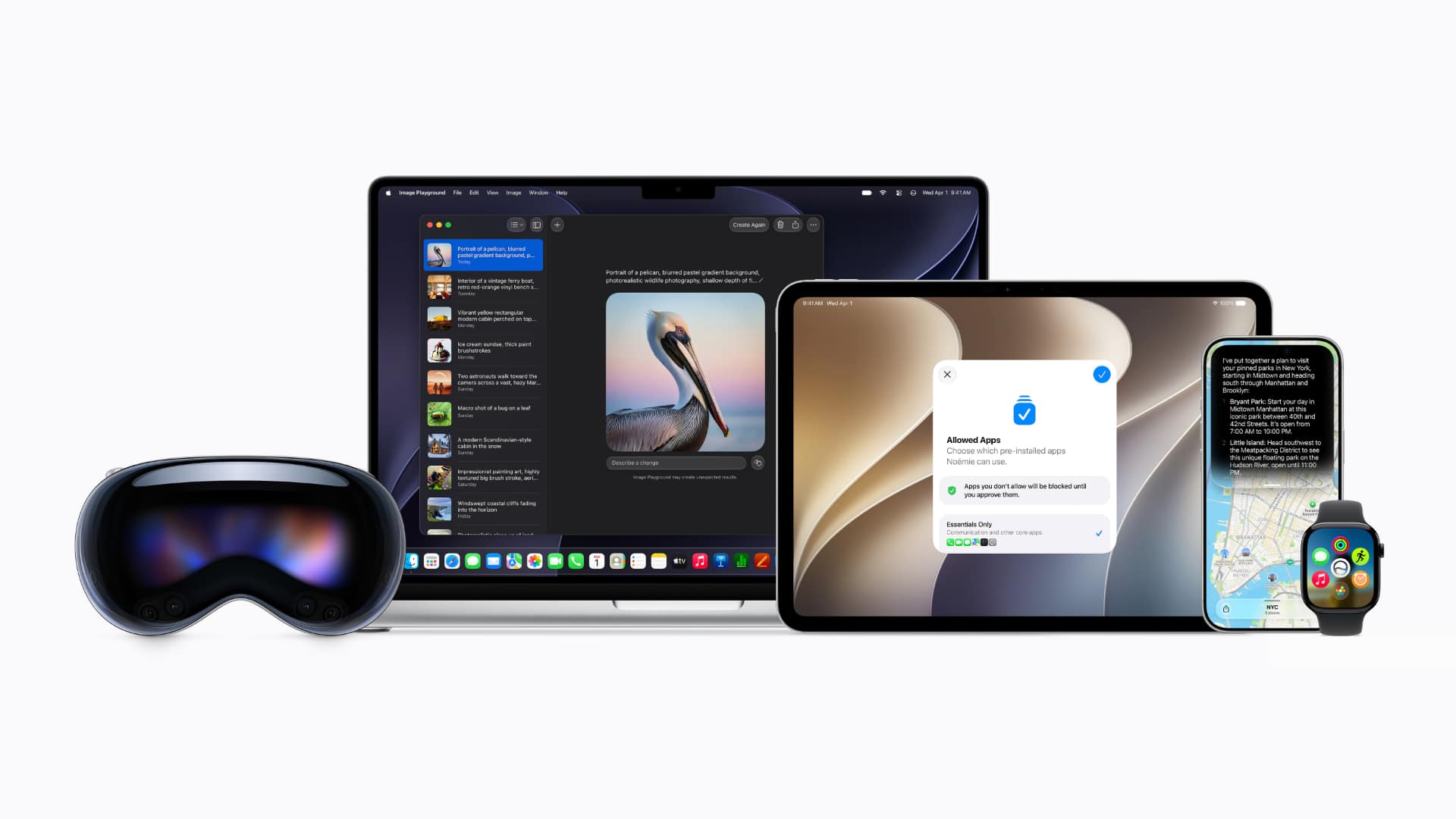
Apple rebrands its assistant as Siri AI and unveils three generative photo editing tools at WWDC 2026. An iterative rather than innovative set of announcements, especially as EU and China users won't see the new Siri at launch.
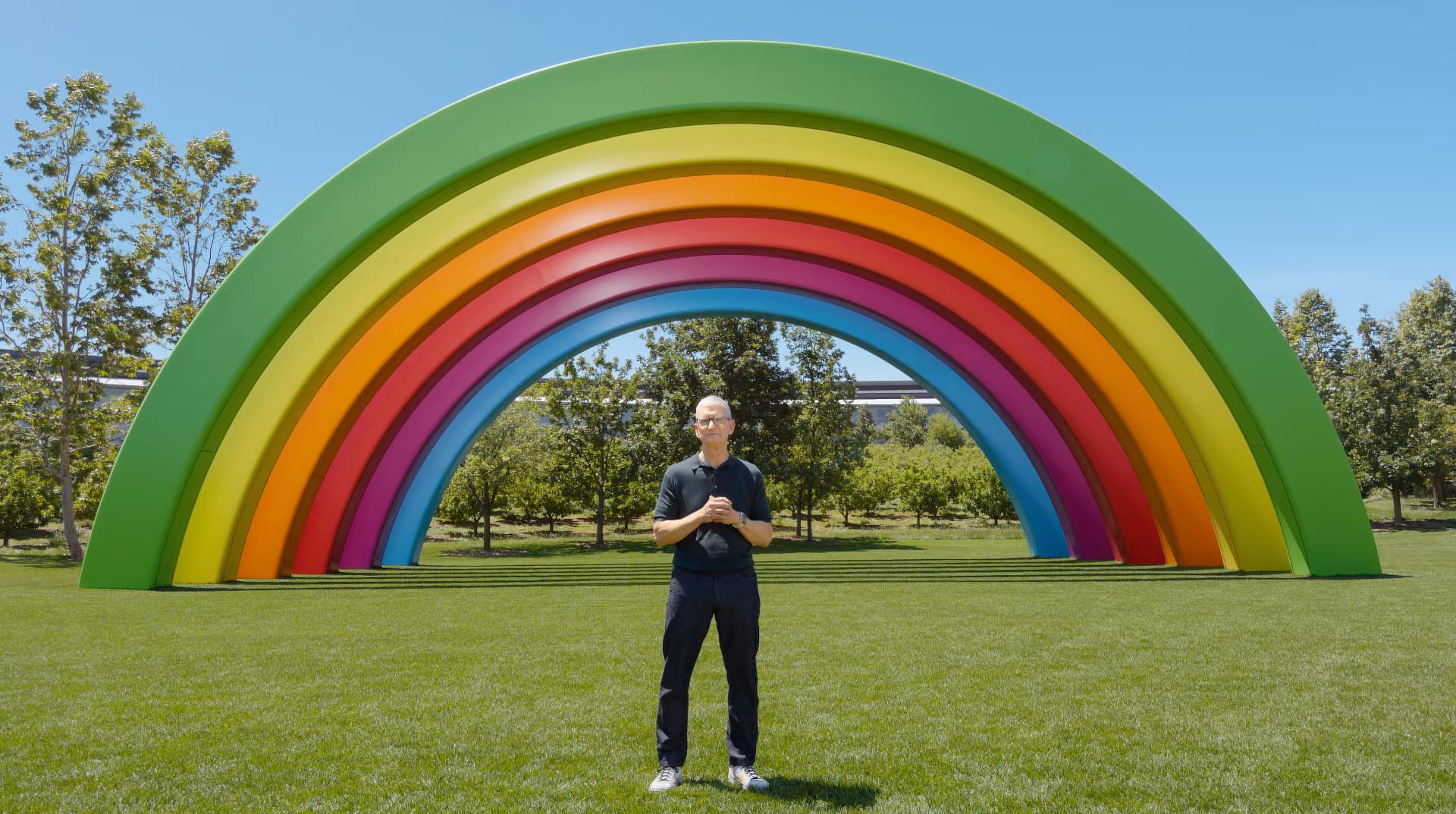
Apple's Worldwide Developer Conference kicked off on June 8 at Apple Park with CEO Tim Cook at the helm for the last time before he hands the role to hardware SVP John Ternus in September. It’s a transition that may hopefully see the end of the over-produced video presentations that Apple has relied on since the pandemic, but more importantly may signal a harder pivot toward hardware innovation in future years. For now, though, it's all about the area that has caused Apple so many problems in recent years and that is software.
Specifically, it’s about Siri. Siri is over a decade old now and it’s never worked as well as it could. In the past two years it’s underperformed spectacularly. WWDC24’s grandiose promises of Apple Intelligence were one of the most egregious examples of vaporware from a major tech company in recent memory, and if it had been anyone else than Apple the company would have been crucified over it.
Luckily, while Wall St has been agitated, Apple consumers have been less bothered. Apple Intelligence has been a sideshow that few have been really excised about. Genmoji’s? Wow. However, as agentic tools start to spread, AI is becoming genuinely useful in everyday circumstances that require more than running a chatbot app, and now is the time for Apple to deliver.
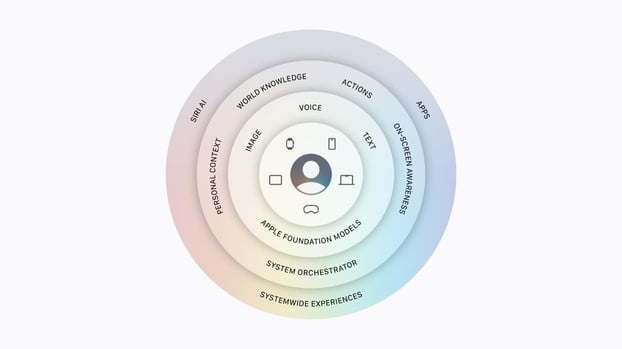 Siri AI takes full advantage of the new architecture for Apple Intelligence, including the next generation of Apple Foundation Models that run on device and on servers using Private Cloud Compute
So the headline announcement was the long-awaited, much-delayed Siri overhaul, now officially rebranded as "Siri AI." Apple is positioning this as a genuinely conversational assistant with system-wide awareness, which means it is able to pull context from Mail, Messages, and other apps mid-conversation or even during a phone call. Siri AI now has a dedicated standalone app and no longer hands queries off to third-party AI providers such as ChatGPT, though the underlying model is Google Gemini. Reportedly, OpenAI is considering legal action over all this.
Apple can’t hide the fact that it’s playing catch up here. And while it all looks impressive, it’s a case of once bitten twice shy. We’ll believe it when we see it.
There are two significant caveats to be aware of as well. EU users won't get Siri AI at launch with iOS 27, with head of software, Craig Federighi, explicitly blaming the EU’s Digital Markets Act and its requirement that third-party assistants get identical deep access to private system data. Many point out the tension between Apple’s position that it is laser-focused on privacy and the reality that when it comes up against legislation that actually does put privacy front and center it cannot meet the requirements.
And Siri AI won’t be available in China either. Federighi seemed less willing to get into a fight with China than he is with the EU and no explicit reason has yet been given, but it is likely that it falls foul of China's AI regulatory framework. The use of Gemini will need clearance, and China also insists on local data processing, which complicates Apple's Private Cloud Compute architecture.
So, that’s two big markets without access to Siri AI when it launches already, which is hardly a great start.
Nevertheless Apple is bullish and is even trying to position its laggardness as a benefit.
"Some appear to be racing forward, seemingly pursuing AI for the sake of AI, without clear regard for the people, all of us, that it's ultimately meant to serve," said Federighi. "We believe that truly helpful AI must be centered around you and your needs."
The stock market was less convinced. Apple shares slid 5% during the presentation and in after-hours trading following it
As widely predicted, Apple unveiled three new AI-powered editing tools for the Photos app, all processed via its Private Cloud Compute infrastructure. Interestingly, all three tools work on existing photos and images taken with non-Apple cameras.
Spatial Reframing is the most ambitious of the trio. It allows users to reposition the virtual camera angle of a photo after it has already been taken. Users drag and tilt the image to adjust framing and perspective, with Apple Intelligence generating content to fill the gaps created by the shift. Apple says it generates new content only where the perspective shift requires it, keeping the result consistent with the original scene.
The demo showed a family photo being reframed to better center the subjects. Online reaction is best described as mixed. The retouched family photo looked uncanny to put it kindly, and in a wider debate about image authenticity the tools are being examined closely.
Extend does what it says: it adds background space to a photo or adjusts its aspect ratio using generative AI infill. The intent is to give users compositional flexibility in post, which will be familiar territory to anyone who has used Photoshop's Generative Expand.
Cleanup gets what Apple calls a "big upgrade," with improved accuracy for removing objects and people from complex scenes, and more convincing infill where the previous version often produced obvious AI artifacts. This is arguably the tool that most needed improvement, as the original was widely regarded as significantly behind Google and Adobe equivalents.
Natural language editing also arrives: users can describe a desired edit in plain text and the Photos app will interpret and execute it.
On the video side, the Home app can now summarize and describe security camera footage using Apple Intelligence, allowing users to understand what triggered a clip without watching it in full. Vision Pro users gain the ability to convert panorama photos into full spatial environments for immersive viewing.
iCloud Shared Albums now supports full-resolution photos, with cross-platform support for Android and Windows. This is a long-overdue fix for anyone who has watched image quality degrade when sharing across the Apple ecosystem.
All of the above arrives in the fall. Developer betas are available now.
Apple claims some substantial performance for iOS. AirDrop transfers up to 80% faster, apps launching up to 30% faster, and photos appearing in the camera roll up to 70% faster. Search has been rebuilt from the ground up across iOS, iPadOS, and macOS. The same infrastructure will power Spotlight, Mail, and Photos, with near-instant indexing of new files.
Apple confirmed the full roster: iOS 27, iPadOS 27, macOS 27 (named macOS Golden Gate), watchOS 27, tvOS 27, and visionOS 27. All are due in the fall alongside the iPhone 18 Pro. Compatibility stretches back to the iPhone 11 and later, though support for Intel-based Macs is now dropped (though they will get security updates for another three years).
Following mixed reception to last year's Liquid Glass design language, Apple is dialing it back and giving control back to the users. Everyone will get an opacity slider to control how transparent the UI elements appear. And still in the UI space, macOS Golden Gate also brings a more uniform toolbar across apps, sidebars that extend to screen edges, and a tighter corner radius on windows.
Rounding it all up, Messages gains AI-powered reply suggestions; Safari gets tab management via Apple Intelligence; Shortcuts now accepts natural language to create automations; parents get improved child account tools, mandatory for under-13s; and VoiceOver now generates richer AI descriptions of images for accessibility purposes.
If you’re looking for two words to sum up WWDC26, “holding pattern” does nicely. There were no hardware announcements and a lot of the software announcements were about Cupertino either catching up or making a course correction. If rumors are true, there is a whole raft of new devices waiting in the wings, but their success is dependent on the new Siri AI performing as expected. This time round it looks like Apple wants to check everything is firing as it should before promising its user base the Moon once again.
Tags: Technology Apple WWDC


RedShark 2020 @ All rights reserved.

Comments