2 minute read

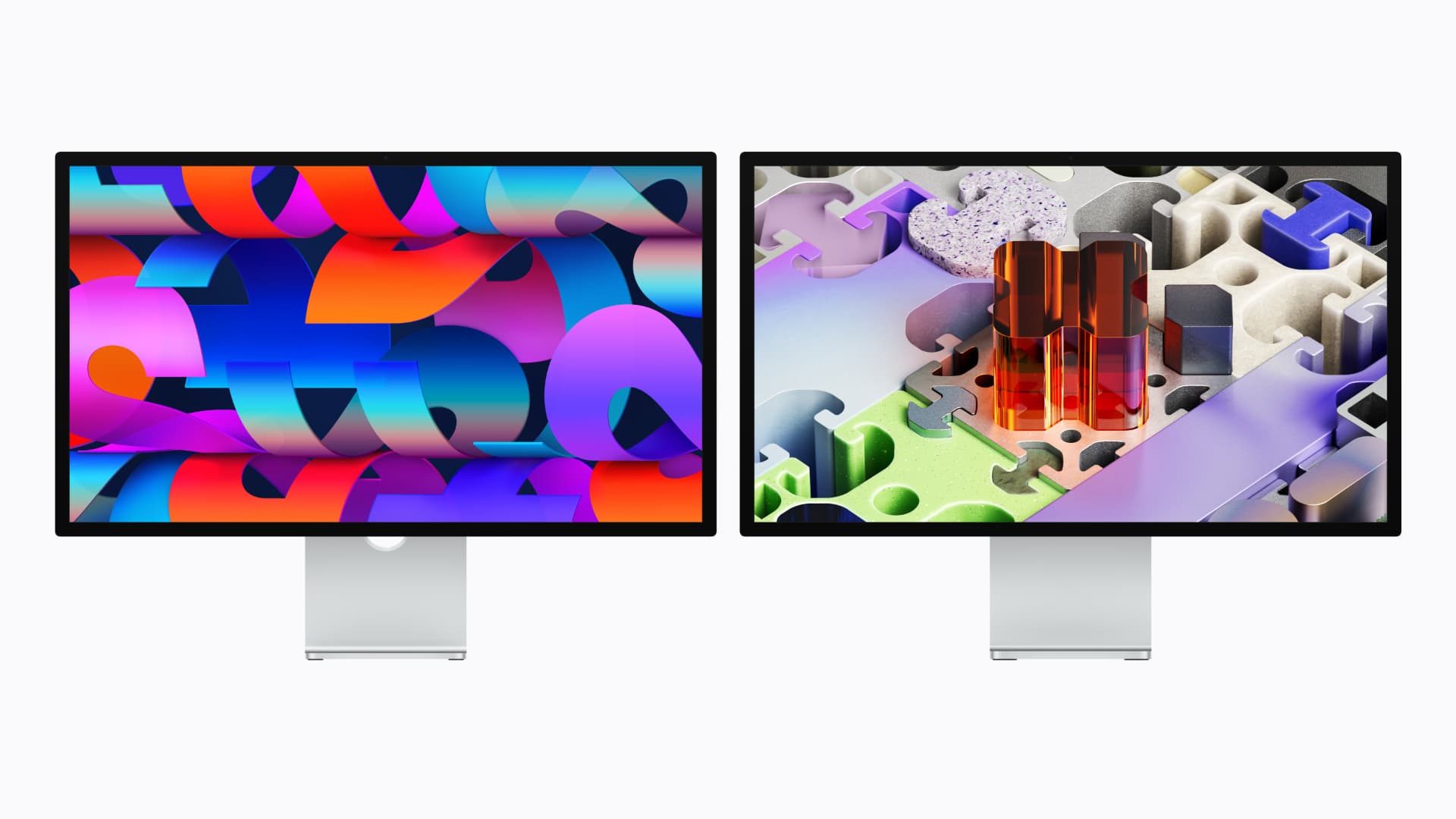
Apple has announced two new displays aimed at different ends of the professional market. The updated Studio Display brings incremental but welcome upgrades, while the all-new Studio Display XDR replaces the now discontinued Pro Display XDR.
Have a look at our comparison table between the two new displays here.
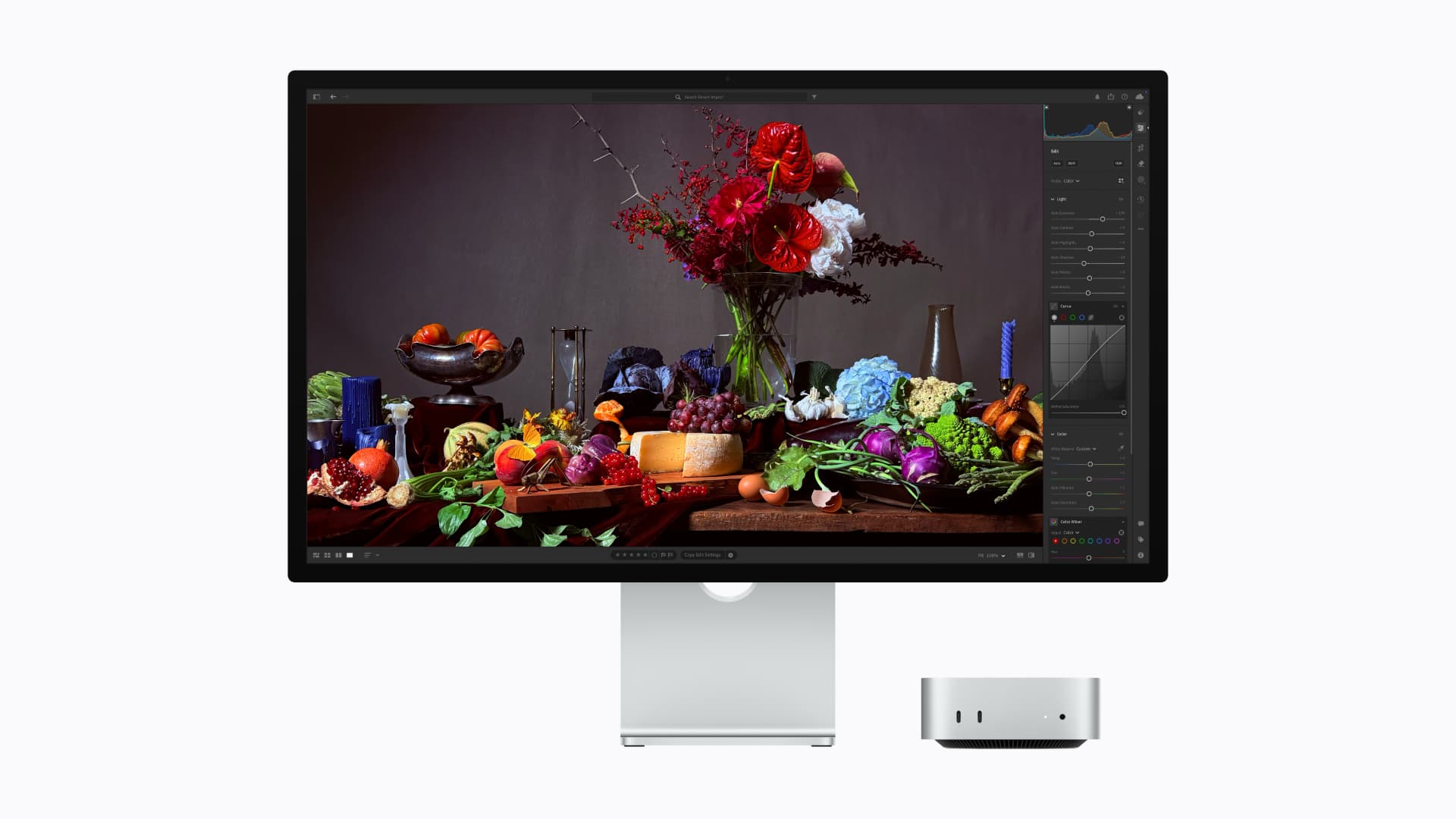 The new Studio Display will not appear much different from the last model at first glance. It retains its 27-inch 60 Hz 5K Retina panel which provides 14 million pixels, 600 nits brightness, and P3 color.
To this though it adds a 12 MP Center Stage camera with improved image quality and an updated six-speaker system with four force-cancelling woofers and two tweeters. This should all deliver 30% deeper bass than before. It also features Spatial Audio support, and the same studio-quality three-microphone array with directional beamforming that the previous gen had.
The bigger headline here is Thunderbolt 5, with two ports replacing the previous single Thunderbolt 3. This allows daisy-chaining up to four Studio Display units for a combined screen real estate of 60 million pixels (with the appropriate M5 chip), or connecting high-speed peripherals. The included Thunderbolt 5 Pro cable delivers up to 96 W of charging — enough to fast-charge a 14-inch MacBook Pro. Two additional USB-C ports round out the connectivity options.
The Studio Display starts at $1599, which is precisely where the last model landed when it was released in 2022. So yes, it's upgraded and hasn't suffered from inflation in four years, but the lack of improvement in the panel is going to raise eyebrows, especially when there are so many good alternatives now on the market.
It looks like Apple still wants $400 for a height-adjustable stand.
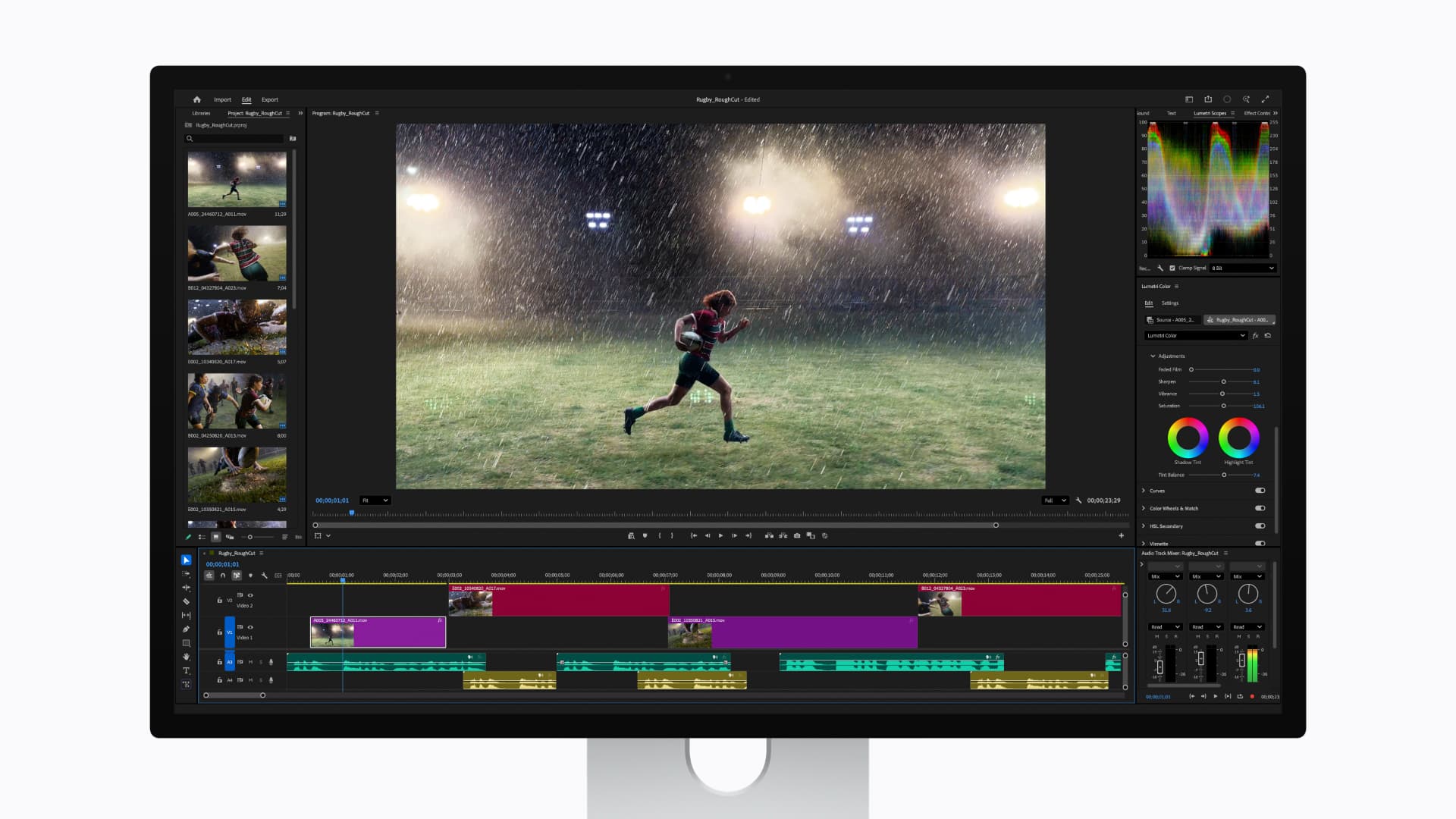 The Studio Display XDR is where things get genuinely interesting for video and post-production professionals. It replaces the Pro Display XDR and takes direct aim at the high-end reference monitor market.
Well, sort of replaces it to be honest. The Pro Display XDR was a 32-inch 6K screen, while the 'upgrade' is a 27-inch 5K panel (5120 × 2880), albeit for over $1700 less. Apple even includes a tilt and height adjustable stand in the price this time round (you will gather this is a bit of a bugbear of ours).
It uses a mini-LED backlight. featuring with 2304 local dimming zones, delivering 2000 nits of peak HDR brightness, 1000 nits for SDR, and a 1,000,000:1 contrast ratio. Apple claims this minimizes the halo and blooming artifacts that have historically plagued mini-LED displays, something that will be worth testing in the real world.
Color accuracy is what you would expect: the XDR covers both P3 wide color and Adobe RGB, with over 80% Rec. 2020 coverage. Both gamuts are accessible from a single default preset, which should streamline mixed workflows covering online and print.
The 120 Hz refresh rate is paired with Adaptive Sync, supporting a variable range of 47 Hz to 120 Hz — handy for gaming or motion-intensive content if you want to use it outside of purely the work sphere.
A notable addition is DICOM medical imaging support. Apple is introducing new DICOM presets and a Medical Imaging Calibrator (pending FDA clearance in the US) to allow diagnostic radiology use directly on the Studio Display XDR. This is an unusual move for a consumer-adjacent display maker, but one that reflects the growing Mac presence in clinical settings.
Thunderbolt 5 connectivity mirrors the Studio Display but goes further: the included Thunderbolt 5 Pro cable supports up to 140 W of charging, enough for a 16-inch MacBook Pro. The tilt- and height-adjustable stand has a 105 mm (4.1 in) height range and uses a counterbalanced arm.
Other commonalities with the Studio Display include the 12 MP webcam, and the six-speaker system with Spatial Audio support.
The Studio Display XDR starts at $3299. And it looks like the Studio Display now, with that rather fetching lattice pattern that graced the Pro Display XDR discontinued as well.
Both displays can be pre-ordered from March 4 and will be available from March 11 at Apple retail stores and authorized resellers. Standard and nano-texture glass options are available for both, with VESA mount adapters available as alternatives to the included stands.
Tags: Post & VFX Apple Apple Studio Display


RedShark 2020 @ All rights reserved.

Comments