
2 minute read
Advertisement
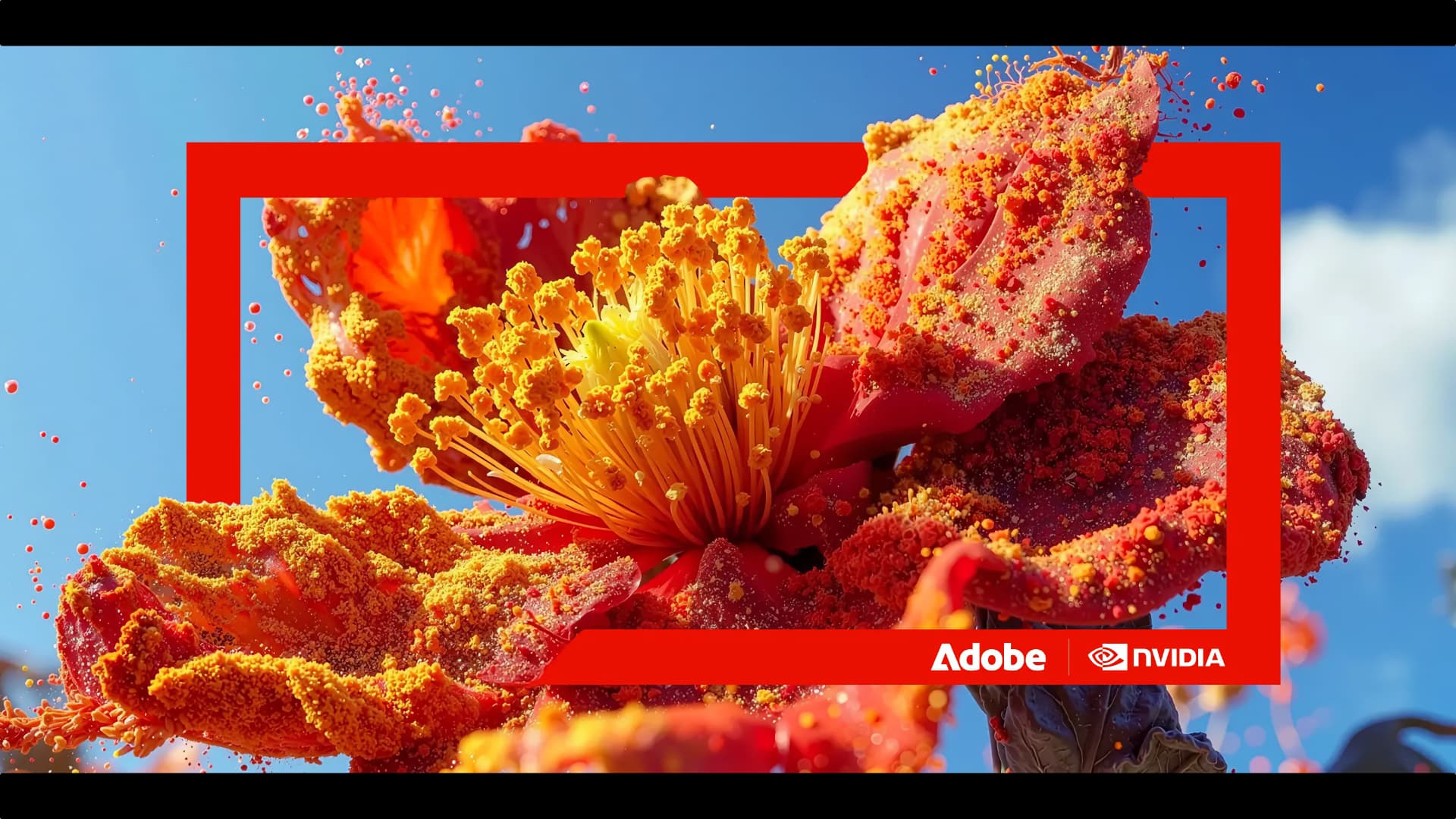
Adobe and NVIDIA have announced a strategic partnership aimed at accelerating AI-powered creative and marketing workflows, with NVIDIA's computing infrastructure set to underpin the next generation of Adobe Firefly models.
Adobe and NVIDIA have announced a strategic partnership aimed at accelerating AI-powered creative and marketing workflows, with NVIDIA's computing infrastructure set to underpin the next generation of Adobe Firefly models.
The partnership, announced at NVIDIA's GTC conference on March 16, brings together Adobe's creative and marketing toolset with NVIDIA's open models, libraries, and accelerated computing. Key areas of collaboration include next-generation Firefly model development, agentic AI workflows, 3D digital twins for marketing, and cloud-based creative pipeline acceleration.
The timing of the deal is significant. While Adobe recently reported record revenues, the announcement that CEO Shantanu Narayen would step down after 18 years caused jitters in the market. So, locking in a high-profile infrastructure commitment with NVIDIA very much signals that the company is not about to change direction on AI development any time soon.
Adobe wasn't the only name on NVIDIA's GTC dance card, however. It was one of 17 enterprise software companies to sign on to NVIDIA's new agent platform on the same day, adopting Agent Toolkit software as the foundation for running various hybrid, long-running creative, productivity, and marketing agents.
Other names involved included Salesforce, SAP, Atlassian, and Dassault Systèmes. Essentially, you can read this as Adobe taking a prominent position within a NVIDIA-architected ecosystem. This has precedent in the tech industry. As VentureBeat noted, it follows a similar logic to Google's Android strategy: open enough to attract developers, but optimized for CUDA libraries and NVIDIA hardware at every layer.
On the model side, Adobe will use NVIDIA's CUDA-X and NeMo libraries, along with Cosmos open models, to build Firefly models designed for both creative and marketing pipelines. The companies will also explore NVIDIA's Agent Toolkit and Nemotron open models to power agentic workflows, the autonomous AI processes that can handle content creation and campaign production with less human intervention that represent the current holy grail of AI development.
One interesting aspect of the deal is accelerating the development of a cloud-native 3D digital twin solution. This is currently entering public beta, and uses NVIDIA Omniverse libraries and OpenUSD to create virtual product replicas for marketing and commerce.
The pitch is brand consistency at scale: the same digital product asset generating pack shots, lifestyle imagery, and immersive try-on experiences across channels. This is firmly enterprise territory and is the kind of capability that matters to Adobe's corporate customer base, rather than individual creatives comparing Firefly to Midjourney.
Talking of which, Adobe Firefly Foundry will also integrate NVIDIA's computing and AI technologies, with the focus on commercially safe, IP-protected output for media and entertainment studios.
Frame.io gets a mention too: Adobe will use NVIDIA CUDA to accelerate the platform's media decoding, semantic search, and cloud content management. That's probably the most tangible near-term win for production workflows to come out of the announcement.
Jensen Huang, NVIDIA's founder and CEO, called the collaboration a chance to "jointly build state-of-the-art world foundation models that reimagine creativity." Adobe CEO Shantanu Narayen framed it as a move to "reinvent creative and marketing workflows with the power of AI."
For individual creatives using Photoshop, Premiere Pro, or After Effects, the near-term impact is limited. This is a research and infrastructure agreement, not a product release. The CUDA-X and NeMo library integrations will improve Firefly model performance over time, but the benefits are largely further into the future.
Adobe is wagering that locking in serious compute power will provide it with a more durable competitive position than engaging in an arms race with Midjourney or Runway on raw generative quality.
No specific pricing, availability dates, or model release timelines were given.
Tags: Post & VFX AI Adobe Nvidia Adobe Firefly

Written by Andy Stout
Advertisement
Advertisement
Advertisement
Advertisement
Advertisement
RedShark is a multiplatform online publication for anyone with an interest in moving image technology and craft. With over 50 contributors worldwide, full-time developers, editorial, sales and marketing staff, it is the go-to site for informed opinion and know-how for the quickly changing video, film and content creation industries.

RedShark 2020 @ All rights reserved.

Comments