2 minute read

Maxon’s 2027.0 release updates Cinema 4D, ZBrush, Redshift, Red Giant, and Autograph. Also new: Liquid FX foam and spray, a ZBrush UV Editor, and Scene Light relighting.
Maxon has released its Fall 2026 ecosystem update, introducing the 2027.0 releases of Cinema 4D, ZBrush, Redshift, Red Giant, and Autograph, all of which are available now.
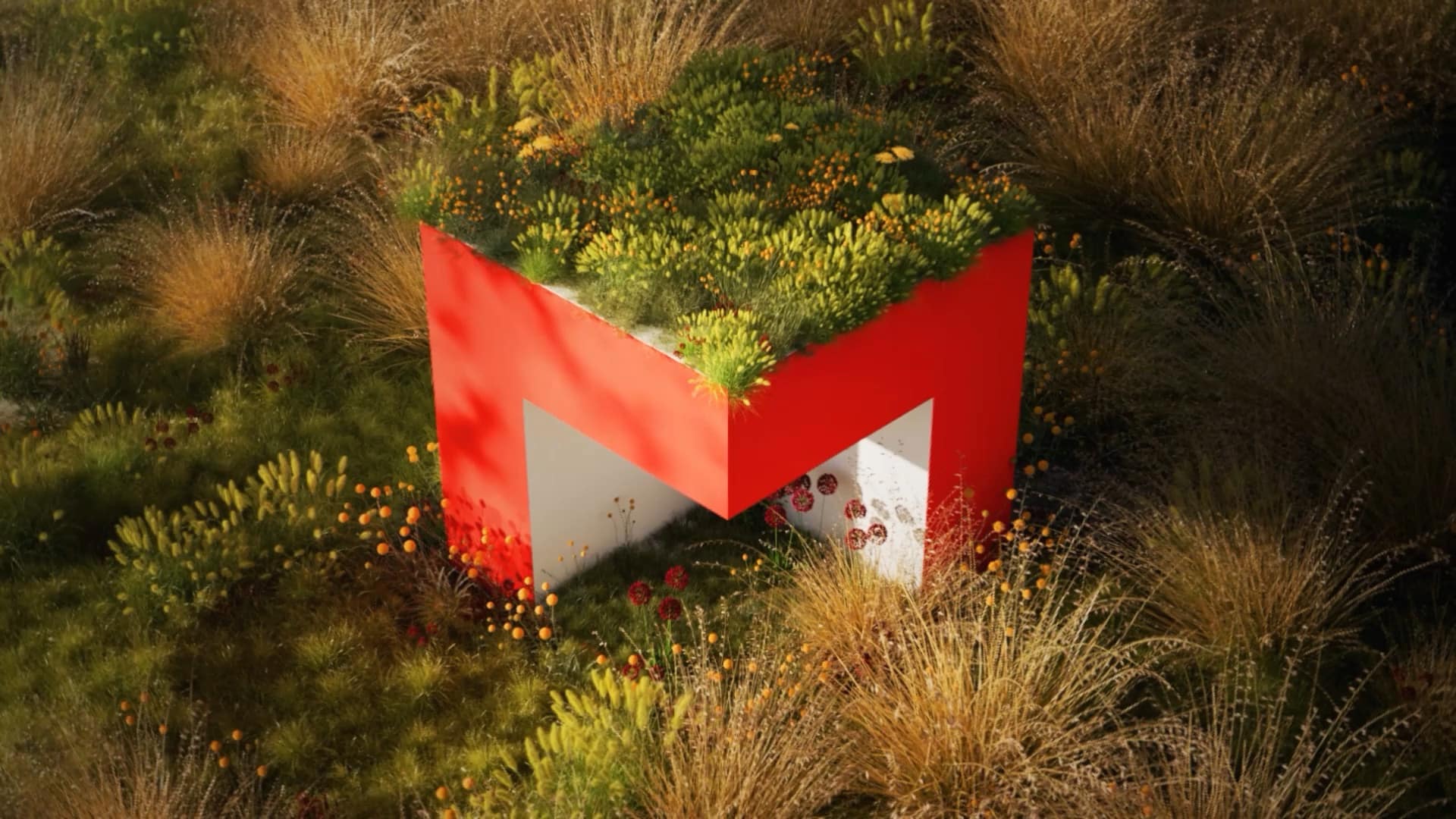
World building is the main leap forward with Cinema 4D 2027.0, which adds a much-requested Scatter System for procedurally populating environments with vegetation, rocks, debris, crowds, and other objects. The Scatter Generator and Scatter Tag support distribution, filtering, clustering, and transform controls, and integrate with MoGraph so Fields and Effectors can shape, animate, and influence scattered objects. Liquid FX, part of the unified simulation system, adds automatically generated foam, spray, and bubbles that respond to the underlying liquid behavior. The release also improves integration with Redshift, including ACES 2.0 alignment, and adds quality-of-life upgrades.
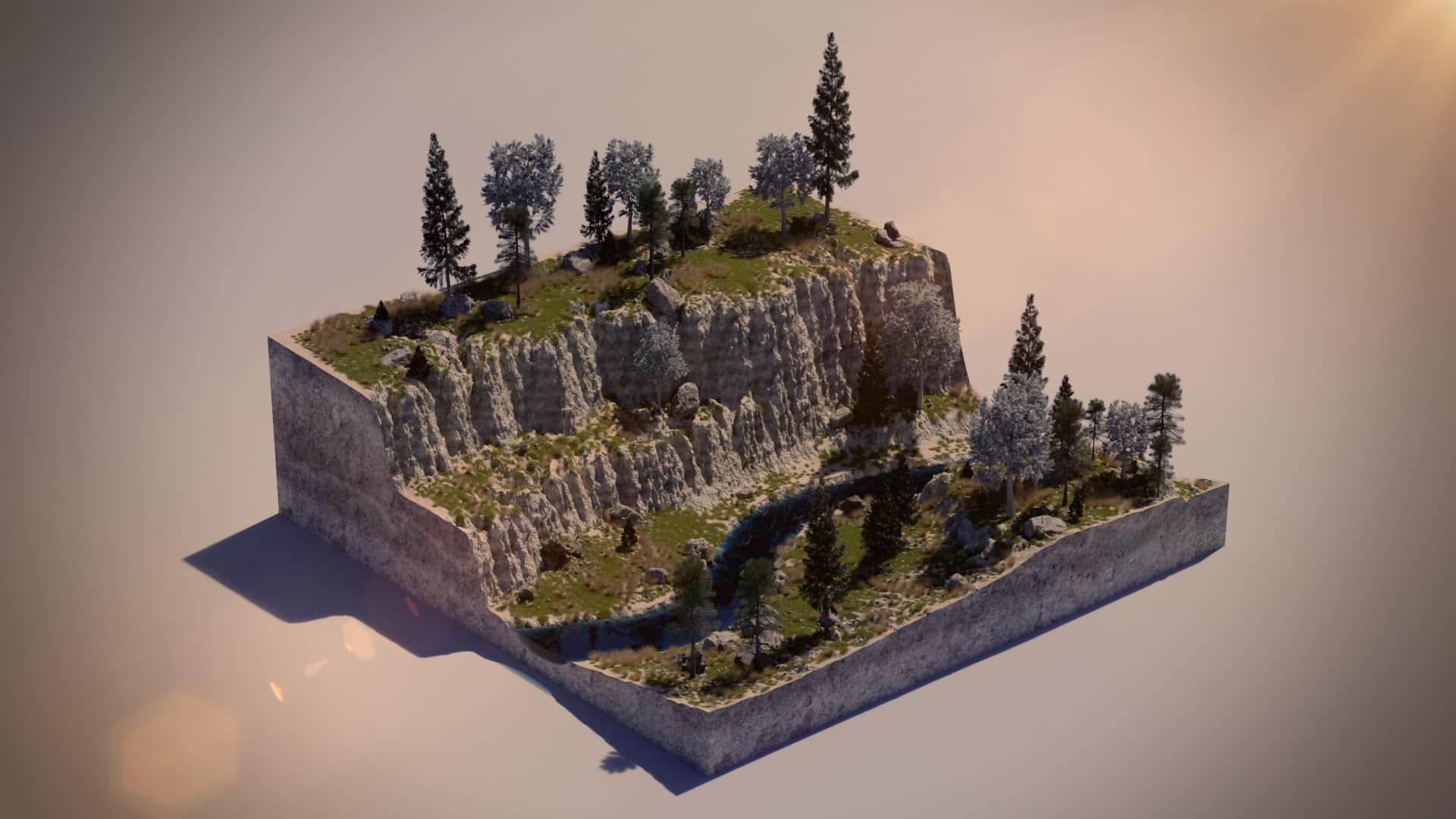 Pic: Jonas Pilz
There’s a decent company quote to go with this too. “A few years ago, you couldn’t simulate a beer in Cinema 4D,” comments David McGavran, CEO of Maxon. “Now you can pour it, foam it, spray it and make it look almost as satisfying as the real thing. That’s the kind of progress we want artists to feel: faster workflows, fewer barriers and more of the real world available to create.”
ZBrush gains a UV Editor, built on Cinema 4D technology, for creating, editing, and refining UVs inside ZBrush, with UDIM and texel density support. New Selection Sets save and recall Polygroups, masks, Polypaint, morph targets, and UV configurations. ZBrush for iPad adds Spotlight, which covers reference, projection, painting, and image-driven sculpting, plus non-destructive 3D Layers for sculpting, polypaint, and masking.
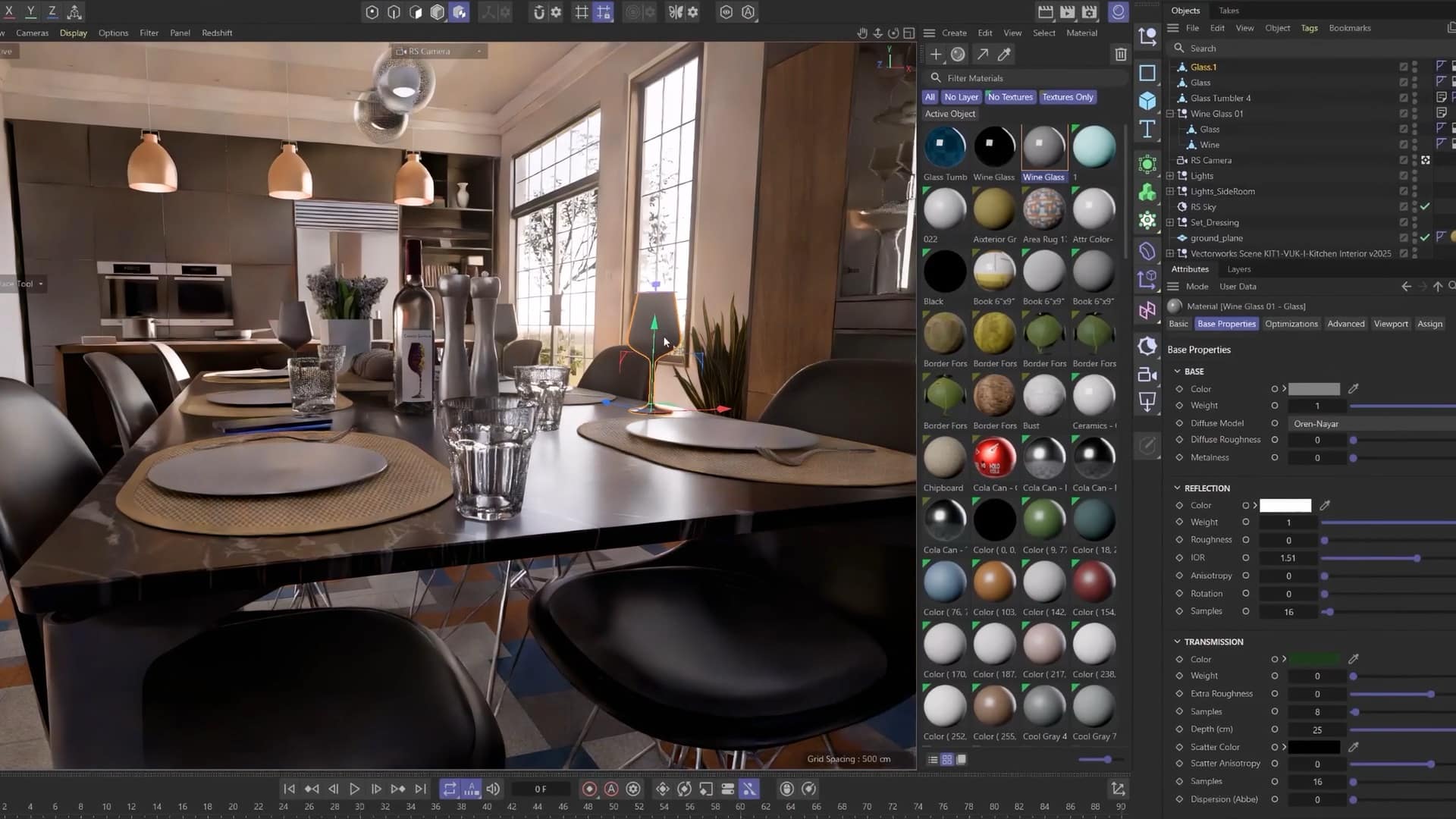 Redshift 2027.0 has a reworked memory architecture and interactivity improvements that shorten the time between changing a scene and seeing the rendered result. Cinema 4D objects, Cloners, and particle systems can be dragged into material workflows, with their properties accessible in the Node Editor. A new procedural system generates fur, fibers, textiles, and knitted materials at render time. Support for NVIDIA RTX Spark extends Redshift to power-efficient mobile devices and production environments.
Scene Light, an AI-powered, depth-aware relighting tool for After Effects, is the headline addition to Red Giant 2027.0. It places lights into live-action footage and CG imagery, including interactive light from muzzle flashes, explosions, and environmental sources, and supports day-for-night treatments. Lights remain art-directable within compositing. Maxon Noise for Universe brings Cinema 4D and Redshift procedural noise patterns to video and compositing, as GPU-accelerated tools for textures, animated maps, transitions, and abstract effects.
Real Lens Flares gains Custom Schmutz, which uses the artist’s own still or animated textures for lens grime, splashes, and imperfections, plus expanded Light Source Types. Chromatic Displacement comes to Autograph, and Custom UI support in Maxon Studio lets Capsules expose Red Giant controls including color wheels, curves, gradients, and text controls.
Finally, Autograph 2027.0 supports an MCP server, switched on by the user, that bridges AI agents to Autograph’s tools. Supported AI tools can assist with tasks, answer questions about using Autograph, or automate parts of a workflow through natural language prompts, while artists continue editing and directing in the application. Autograph also gains its first direct connection with Cinema 4D: animated elements, cameras, lights, nulls, and compatible primitives can be copied and pasted from Cinema 4D into Autograph.
Tags: Post & VFX Maxon


RedShark 2020 @ All rights reserved.

Comments