2 minute read

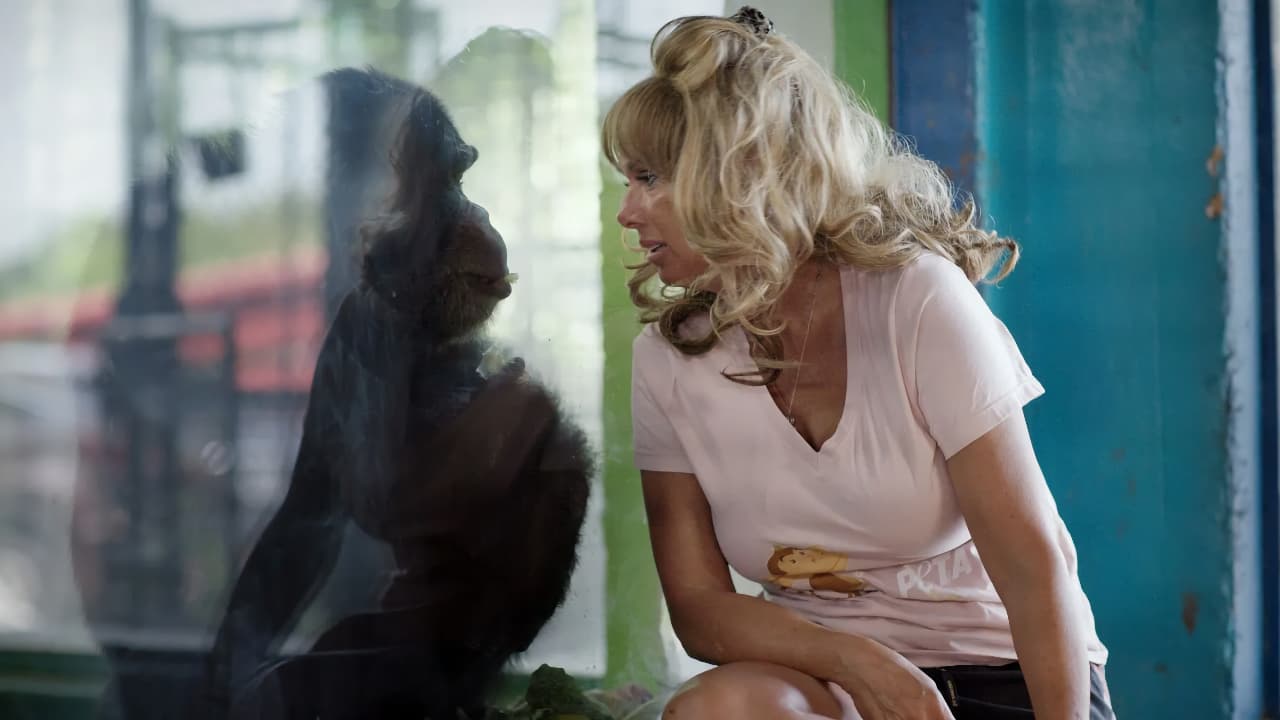
Distilling and refining 1500 hours of footage into two Emmy nominations, Chimp Crazy has become HBO’s most-watched documentary in the last five years. This is how they put it together.
If you've not come across the HBO four-part documentary Chimp Crazy yet, think of it like Tiger King but with primates. It's already earned the team behind it the ACE Eddie Award for Best Edited Documentary Series, and it has two Emmy nominations: one for Outstanding Picture Editing for a Nonfiction Program and one for Outstanding Writing for a Nonfiction Program in the bag.
Here's the teaser trailer.
The ever-excellent Frame.io Insider has put a detailed blog post together about how it was made. Tl;dr? There was a lot of content to deal with by a team spread across the Americas.
Supervising editor/writer/producer Evan Wise (ACE) and editor/writer/producer Adrienne Gits (ACE) were part of a larger remote crew that included Doug Able (ACE, BFE), Chuck Divak (ACE), Sascha Stanton-Craven, and writer/producer Timothy Moran. These key members were spread out across New York, Los Angeles, Kentucky, and even Argentina, making the need to keep on top of remote workflows absolutely key to its success.
You can gauge the scale of the task by the fact that they had already been filming for two years when Evan Wise joined the project. The footage was all unedited and Wise likens the experience to being dropped into the ocean.
To add to that, the story was ongoing and continued to unfold throughout the edit. These weren't just minor add ons either. New scenes, new characters, and even old footage from a storage unit had to be worked into the story, all long after the edit was supposed to be locked down.
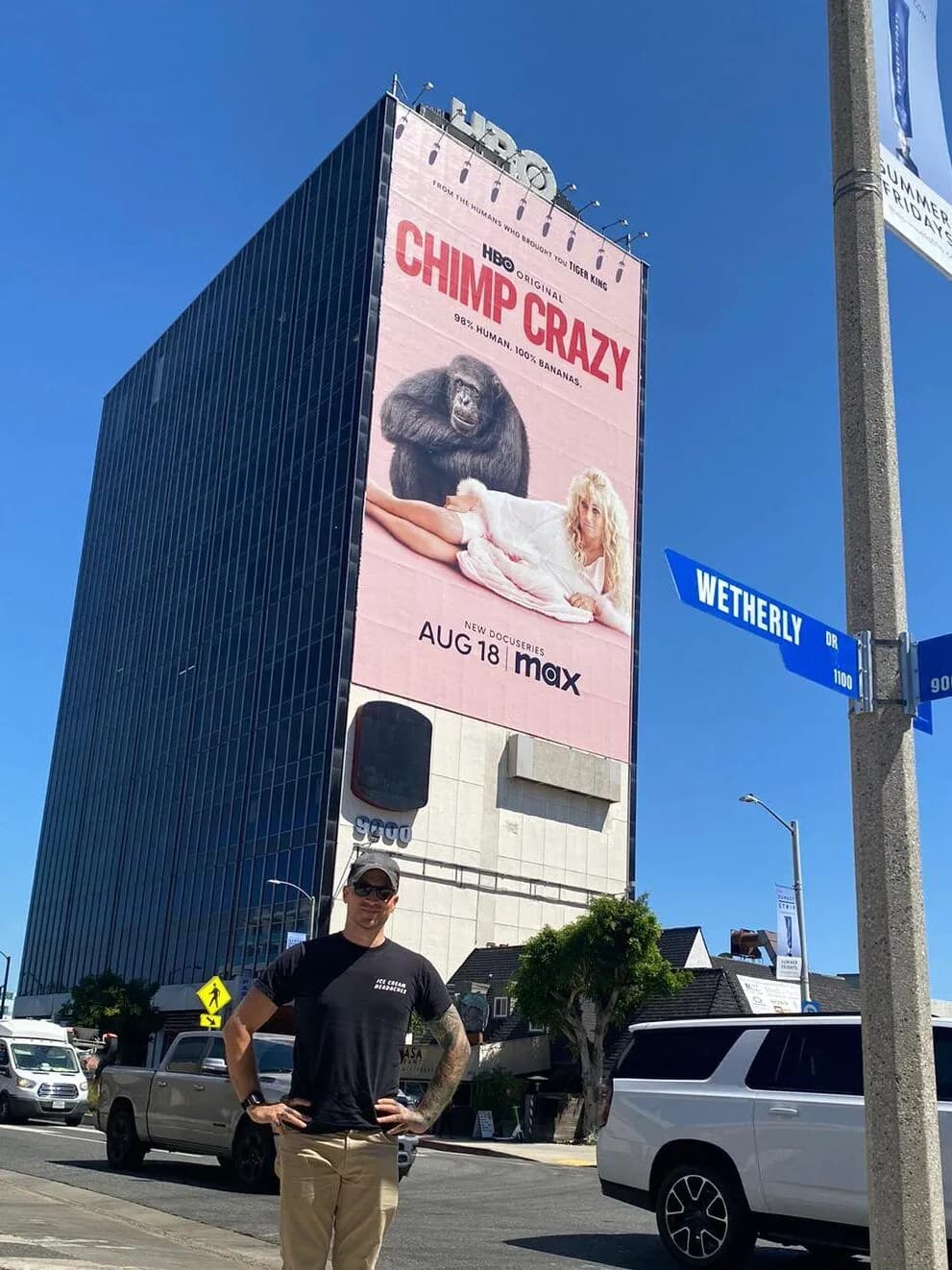
Frame.io was a critical part of keeping on top of both that and the detailed process of approvals that Chimp Crazy had to go through to make it to air.
“There’s nothing worse than sending something out and everybody watches it, and then you just start getting emails with everybody’s notes separately, like this note bomb," says Adrienne. "So having everything marked on the picture was a major game-changer.”
Filtering comments by role was a key part of wading through everything. “I can uncheck the archivist or the lawyer and whoever else—so I only have the director’s notes and can first process those," says Wise. "Then when I’m ready, I recheck everybody else, and I can get started on the other things.
"On any project where you have a really tight schedule or you have an air date that you have to hit, whatever you can do to be more efficient and to make the most out of the time is super important," he concludes. "If Frame.io can shave off a couple of minutes or an hour, or cumulatively a day or two, that’s more time you have to be creative."
Head here to read the full story. And if you want to learn how it all turned out, just Google the name 'Tonia Haddix'...
Tags: Post & VFX Frame.io


RedShark 2020 @ All rights reserved.

Comments