4 minute read

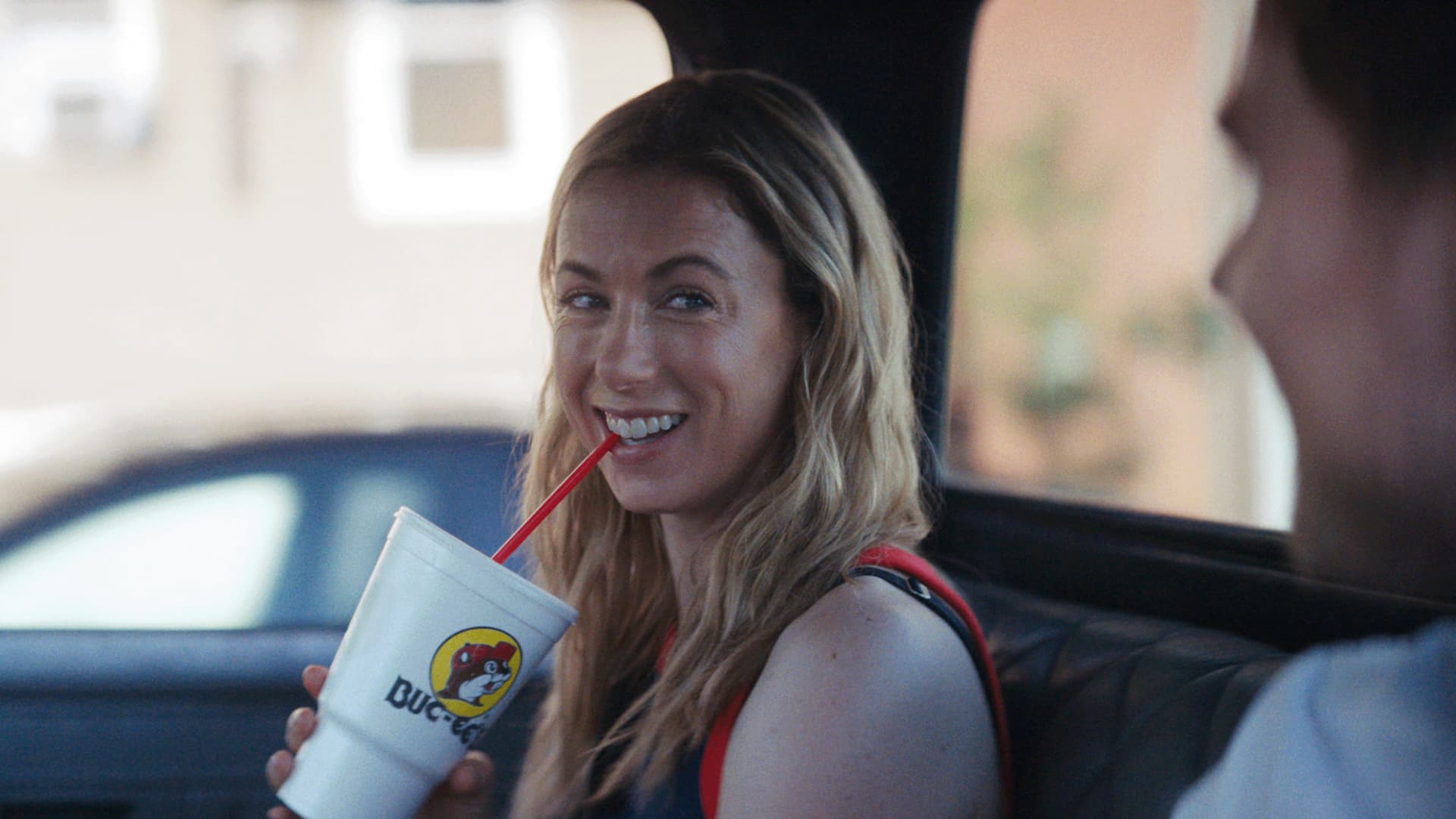
Chasing Summer has been one of the most talked-about movies at Sundance this year. We went inside the edit with the film's editor David Barker.
A Variety Critic's Pick from Sundance 2026, Chasing Summer is a comedy collaboration between Sundance Film Festival alum Josephine Decker — Madeline’s Madeline (2018) and Shirley (2020) —and comedian and writer/star Iliza Shlesinger. Described as "a charming and sensual story of generational subversions and unexpected second chances" it presented several challenges for editor David Barker, not least because it shot in August 2025 and was aiming at a Sundance 2026 premiere.
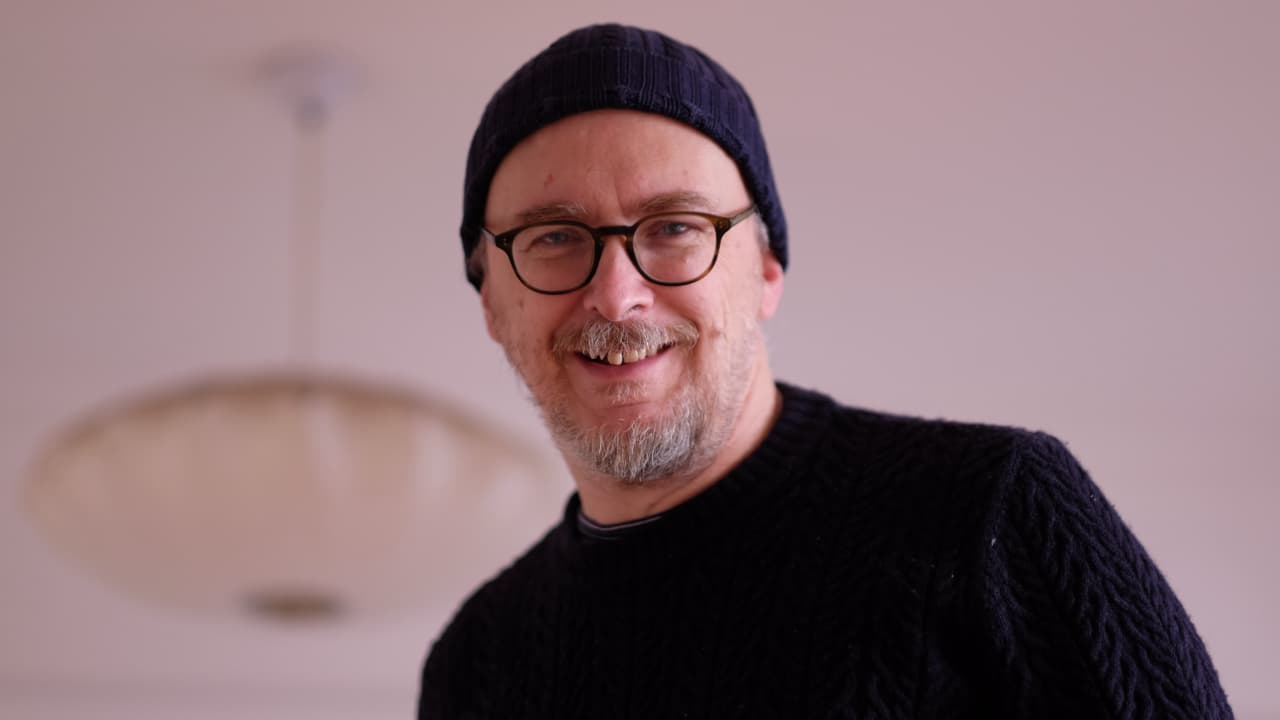
Here's how he managed to hit the deadlines, how his NLE of choice Adobe Premiere helped, and how the movie further evolved from the edit.
RedShark: How did you first get involved with the project? What drew you to it?
David Barker: Chasing Summer is the sixth film that I have collaborated on with director Josephine Decker — sometimes as the main editor, sometimes coming later and reworking an existing cut. I would work on anything with her. In this case, there was the added element that we had a game: the film was shot in August and we wanted to premiere at Sundance, which meant submitting to the festival only a few weeks into the edit. Since plenty of Josephine’s films have edited for a long period of time, this was a real challenge. And finally it was a comedy - a genre that neither of us had ever worked in.
RS: How did you work with Josephine? What workflow did you establish to handle the film?
DB: Josephine and I have had great collaboration – an approach more like documentary editing in that we quickly move past trying to ‘make the script’ to focusing on what the movie we see in the footage is. We had additional editing by Julie Cohen and consulting by Jeff Groth (Joker, Hangover 2) to help with the crazy schedule and the new element of the comedy genre.
RS: What were the main challenges you faced? What editing techniques and processes did you use to meet them?
DB: The challenges were the tight timeframe - and the lack of the kind of footage that is usually used as connective material. Because the film was shot in just 19 days there wasn’t a lot of that kind of material or even simply shots of the main character not speaking. We needed to create emotional space that would allow the audience to invest in the character and for emotions to be absorbed, and we found a way to do that using archival material. In this case, because the character was supposed to have been working in disaster relief programs around the world, we used storm footage to create a feeling of her interior space as she negotiates this new aspect of her life.
Another big challenge was that this is a collaboration between Josephine Decker and Iliza Shlesinger - two very different artists - and that given the tight timeframe the melding of these two visions had to take place in a very tight window. We used weekly screenings with small groups of people as a way to track how the film was playing.
RS: Name two things: your favorite scene in the movie and the most difficult one to cut. Why these two in particular?
DB: I love the scene of the summer skate party. Without giving anything away, it's just really fun and surprising and one of the most funny moments of the film.
And as far as one that was difficult to cut: probably the one that changed the most was a scene where Jamie and Colby are riding in a car and talking. It was a very long scene and as the movie changed that scene had to keep changing because it deals with how deeply the characters know each other, what we know about them, and how much we want to give away and how much we want to conceal.
It was also one of the trickier scenes in terms of balancing the drama and the comedy. It kept moving around the film to different places as the cut kept changing, and we had to kept recutting it as it moved and as Jaime and Colby’s relationship changed. It wasn't until the very end of the edit that we landed on something that seemed to do everything that we wanted it to.
RS: How did the movie evolve? Now the film is complete, how differently do you see it compared to when you first started?
DB: It evolved in many ways, but here is one example: because the script was written very quickly on a deadline to shoot the film the following month, there was not really an ending to the film when it was shot. Over a few weeks of intense work trying to meet the Sundance deadline (which was six weeks after our assembly), we got clear about what the film was about: a woman learning to experience pleasure and have it all. With that in mind, we were able to construct an ending for the film by moving things around, repurposing some material and adding a bit of ADR.
I like this ending quite a bit because it is very true to the character and story, and came out of the re-writing aspect of editing which is very central to how Josephine and I work together.
RS: Why use Adobe Premiere? What do you like about it in particular?
DB: As an editor I am focused on the artistic and craft end of editing, and not at all on the technical end. Premiere is very intuitive and easy to use without having to remember too much of the technical end of things. And many directors sometimes need to put their hands on the keyboard to show an idea — they tend to find it great for the same reason.
RS: Any new features released recently that have impacted your workflow?
DB: Productions is a game-changer for me. I often work on projects where there are multiple additional editors, and for the first time that is easy — without having to email cuts back and forth and relink media.
RS: Apart from Premiere, what tools do you use and why?
DB: We relied on Lucid Link on this project which allowed everyone working on the project to be in sync even when we were in different parts of the world. And we used frame.io for sharing scenes and cuts and sometimes for notes.
RS: Widening it out a bit, how has editing changed over the course of your career? What is different now compared to when you started?
DB: Honestly - I don’t know! Because I tend to work on auteur projects, they tend to be a bit of special cases and isolated from some of the changes in schedules that I hear about. Apocalypse in the Tropics edited for four years, so that was not an example of schedules getting shorter. But I hear that they often are.
RS: Finally, what’s next? What is the next project we will see your work on?
DB: I worked on a brilliant Irish documentary A Want in Her, which was just nominated for a BAFTA. We’re hoping it gets a streaming deal soon so it is available in the US.
Tags: Post & VFX Editing Adobe Premiere Inside the Edit


RedShark 2020 @ All rights reserved.

Comments