
3 minute read

The latest financial signals from the big Japanese imaging firms suggest that the dedicated camera industry isn’t collapsing. However, real challenges remain, and the Big Four face very different immediate futures.
With the most recent financial data from Canon, Sony, Nikon, and Fujifilm all now a matter of public record, it's interesting to dig into the figures and see what it says about their futures. And the picture that emerges is impressively uneven.
Direct comparisons are difficult to make as the data released is a mixture of full year projections, nine month totals, segment trend commentary. So, rather than compare apples with oranges, here is what we know about each with some sentiment analysis about how the market is developing.
A quick summary:
Canon: cameras as dependable revenue
Sony: cameras part of a broader imaging technology stack
Nikon: heavy reliance and company facing headwinds
Fujifilm: in one word, growth
Canon has detailed its newest Phase VII restructure plan and its imaging division, including cameras, is seen by the company as the stable revenue generator that can help fund growth elsewhere.
The company expects imaging revenue to rise from about ¥1.05tn ($6.8bn) in 2025 to ¥1.34tn ($8.6bn) by 2030. In some circumstances, that circa 4% annual growth could appear modest, but given the impact that smartphones have had on the camera industry it feels more like a win.
On that point, the company believes that the smartphone-driven market collapse has now finally stabilized and that new creator-video users will support renewed demand. It also sees the demand for what it calls 'network cameras' (which we presume are mainly internet-connected surveillance and security units) growing at a greater than average 10%. However, measured against that, it expects political and economic uncertainty to continue due to "additional US tariffs and geopolitical risks."
One of the interesting takeaways from Sony's financials is where it addresses the current memory shortage.
"We are almost in a position to secure the quantity we need through the year-end selling season of next fiscal year. We will continue to monitor the situation while working to minimize the impact on profitability."
The current high-speed memory situation is another unwelcome headwind for the camera business, but Sony seems to be better insulated than most. It doesn't split its camera data out separately like some, but the overall impression from the company is that while the division is not experiencing major growth it remains stable and reliable, and that this is a reflection of a maturing global camera market.
Sony, of course, will always be insulated from some market fluctuations by dint of its enormously wide imaging ecosystem, plus the fact that it makes imaging-sensors for most of the leading high-end smartphone suppliers.
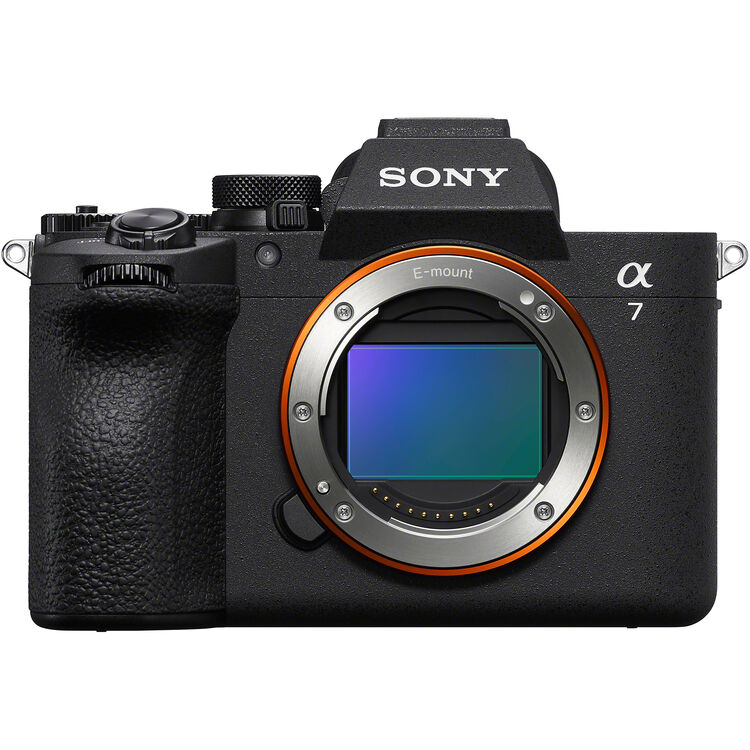
The company says that demand in the global interchangeable lens camera market in Q3 FY25 remained strong year-on-year, mainly in Asia. It also unusually called out the a7 V by name, saying "it has been selling well as a new product positioned in the volume zone of the full-frame mirrorless single-lens reflex camera market, and we expect it will continue to contribute to sales in Q4 FY25."
Nikon is not having an easy time of it. The company recently reported losses of roughly ¥103.6bn ($668m) and cut forecasts across its business amid declining revenue and rising costs.
The imaging division itself remains profitable, but sales pressure, price competition, and marketing costs are eroding margins. Given that, unlike Sony, is it not that well diversified (the imaging business accounts for nearly half of its total revenue), that has implications for the rest of the company.
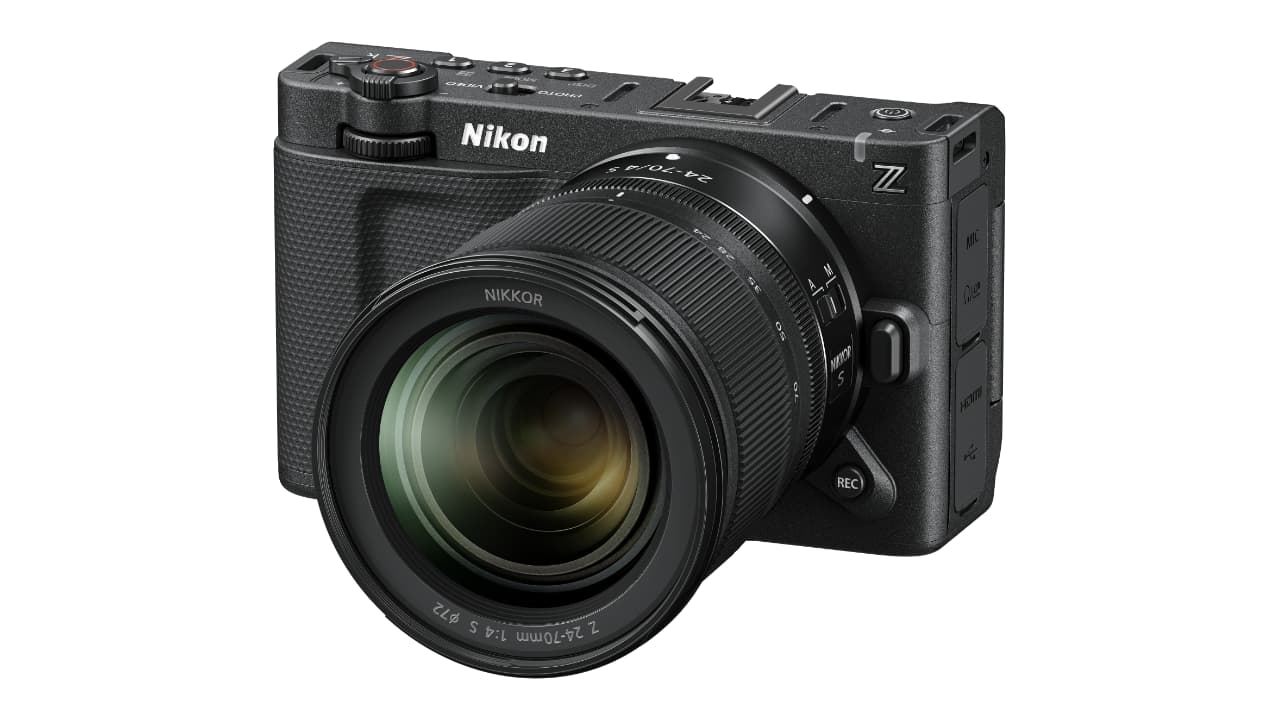
Some of the decline seems to be out of its hands too. “In the Imaging Products Business, sales were led by Nikon’s first digital cinema camera the ZR," said the company. "However, the business segment recorded year-on-year decreases in both revenue and profit, reflecting a decline in average selling prices due to changes in the product mix and higher promotion expenses amid an intensifying competitive environment, as well as the effects of foreign exchange movements, tariffs, and other factors,”
Nikon has also trimmed shipment forecasts for both cameras and lenses, signalling slowing demand. Given the amount of new kit that it has released in recent years, plateauing sales are not great news. Cameras remain very much at Nikon’s core — and that makes the current slowdown just that bit more painful.
Fujifilm is the significant outlier here, posting record high revenue and profits, much of which is ascribes to its electronics and imaging segments.
Looking in detail at imaging, overall that showed a 14.6% growth in 2025 revenue compared to 2024, up to ¥194.2bn ($1.3bn). Both professional and consumer segments contributed to that, with the professional actually outstripping consumer growth by 20.8% to 11.3%.
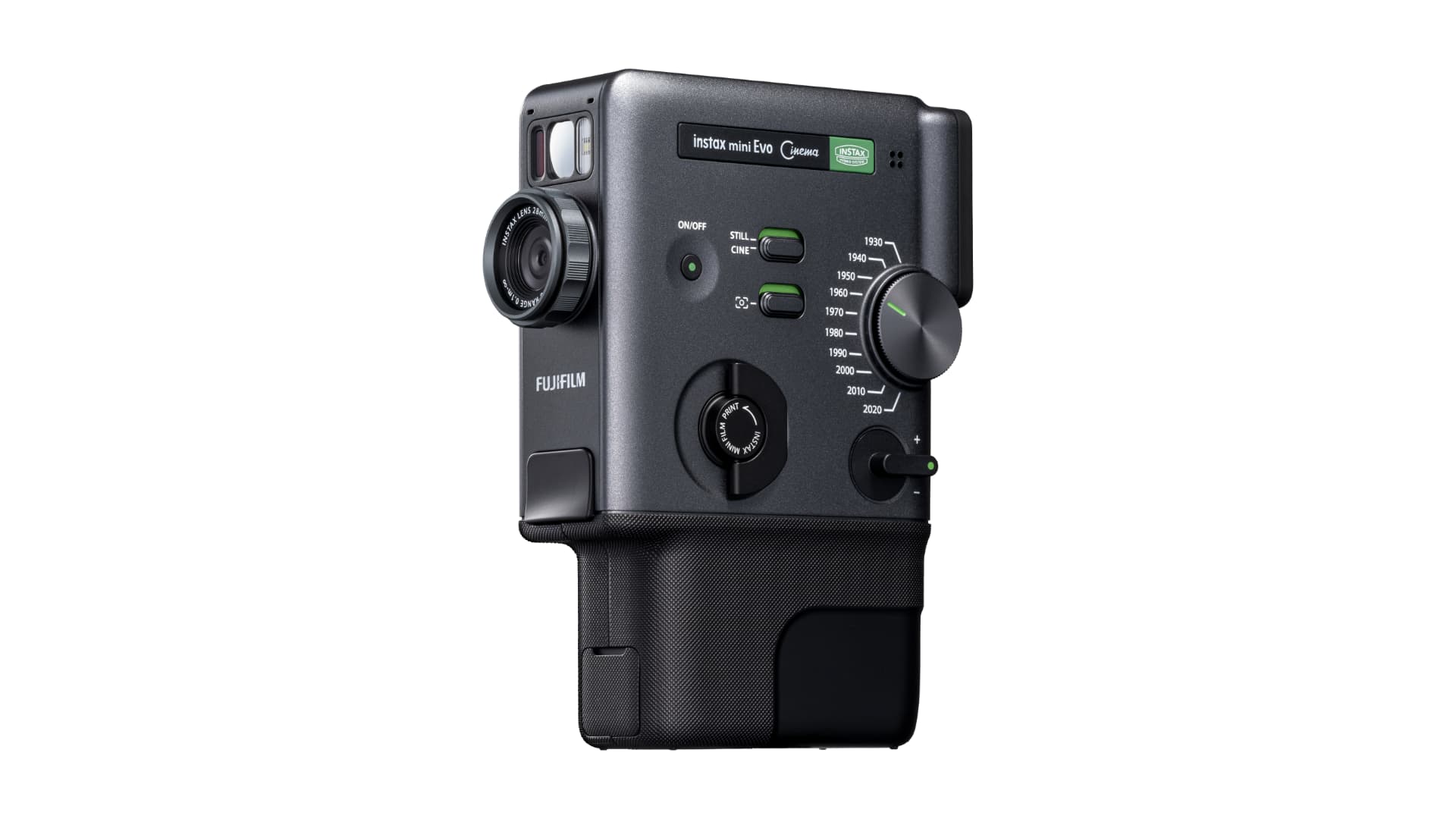
The company puts that down to strong growth in the instax instant photo systems (and video now too). Meanwhile, as far as cameras go, it points to strong sales of FUJIFILM X and GFX series digital cameras, in particular the new products which it lists as the GFX100RF, X half, X-E5 and X-T30 III.
So far, it seems that Fujifilm’s hybrid strategy of combining premium mirrorless cameras, medium format, and the highly profitable instax ecosystem, appears to be paying off.
Certainly, it’s the only major camera maker currently reporting clear segment growth rather than stabilisation or contraction. It will be interesting to see if it can continue that path during 2026. Not to mention if others can start to follow it as the market for digital cameras — and compacts in particular — starts to expand for the first time since Covid.
Tags: Business Cameras Canon Fujifilm Sony Nikon


RedShark 2020 @ All rights reserved.

Comments