3 minute read

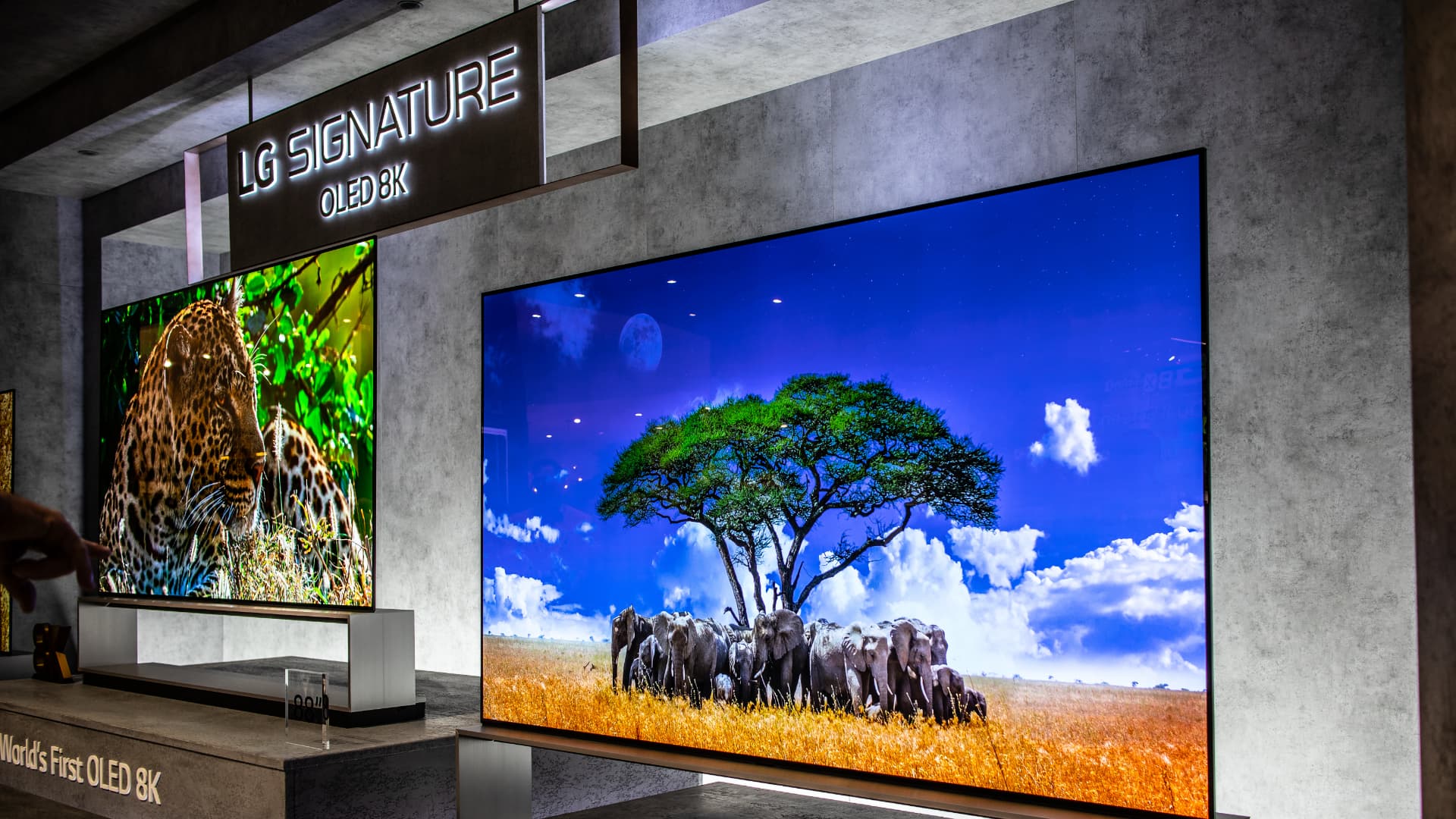
Last week, LG quietly withdrew from the 8K TV market, leaving Samsung the only major manufacturer still making 8K televisions. As far as the consumer goes, for all intents and purposes 8K is not resting, it's stone dead.
Last week, LG Display quietly withdrew from the 8K TV market. Not only that, but it confirmed to FlatpanelsHD that development of 8K OLED panels has also been put on hold, "although it is ready to restart it if market conditions change."
LG was the only brand to offer 8K OLED TVs in addition to 8K LCD TVs, so that is those dead in the water. 8K LCD TVs aren't faring much better either though. Stepping through the manufacturers, TCL exited the market in 2023 and Sony stopped producing sets in April 2025. While it did not rule out a return at the time, the fact that TCL now controls its TV range indicates that avenue has closed down now for good.
Hisense appears to have abandoned the format, while Panasonic and Philips never brought any sets to market, despite Panasonic being one of only two TV set manufacturers still a member of the 8K Association. That leaves the other member, Samsung, as the last remaining manufacturer of 8K televisions.
For all the success of higher resolution formats on the capture side of the industry and in post production where 8K panels for grading are gaining rapid interest, as far as the consumer goes surely the administration of the last rites cannot be too far away.
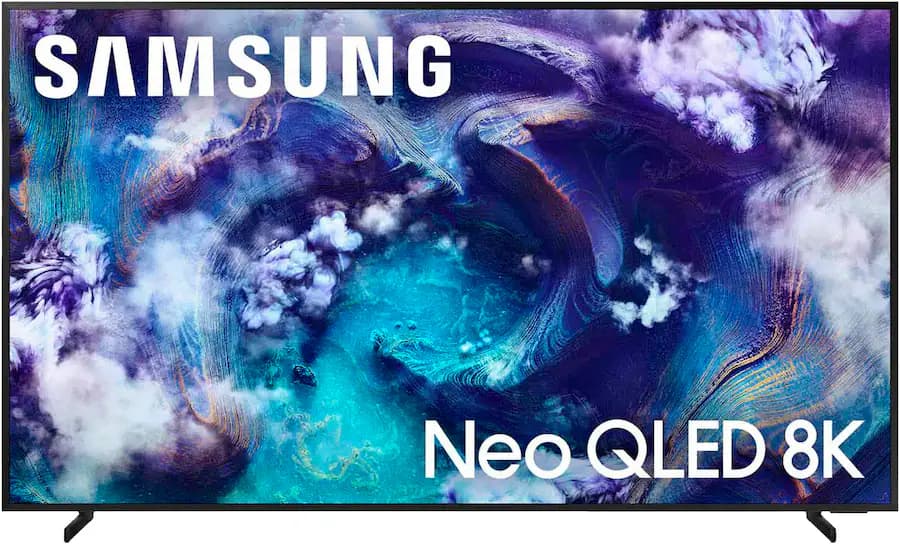
8K sets aren't even that expensive, at least compared to some of the new models of other cutting edge technologies on show at CES. You can buy a 65-inch Samsung QN900F 8K TV (above) for $2499 at Best Buy. Even when Samsung launched its 8K sets in the US in 2018, they weren't exactly out of the reach of ordinary consumers, starting at around $3500. Yes, the first gen sets were ridiculously priced, but prices fell quickly.
The truth is that no one ever really wanted one. According to research firm Omdia, annual shipments of 8K TVs peaked in 2022 at 386,600 units. This was around a tenth of what was forecast only a few years previously. Worse, they have fallen since, and account for around 0.1% of all sales.
What went wrong? A lack of content is often cited as the main factor, and the amount of native 8K being produced is still vanishingly small. The fact that the games industry looked at the amount of processing power needed to drive an 8K display and turned tail didn't help. The PS5 was originally marketed as an 8K capable machine, but never actually supported it and Sony dropped the claim from its marketing in 2024. But the main issue is that it really didn't make much of a difference to the average viewer.
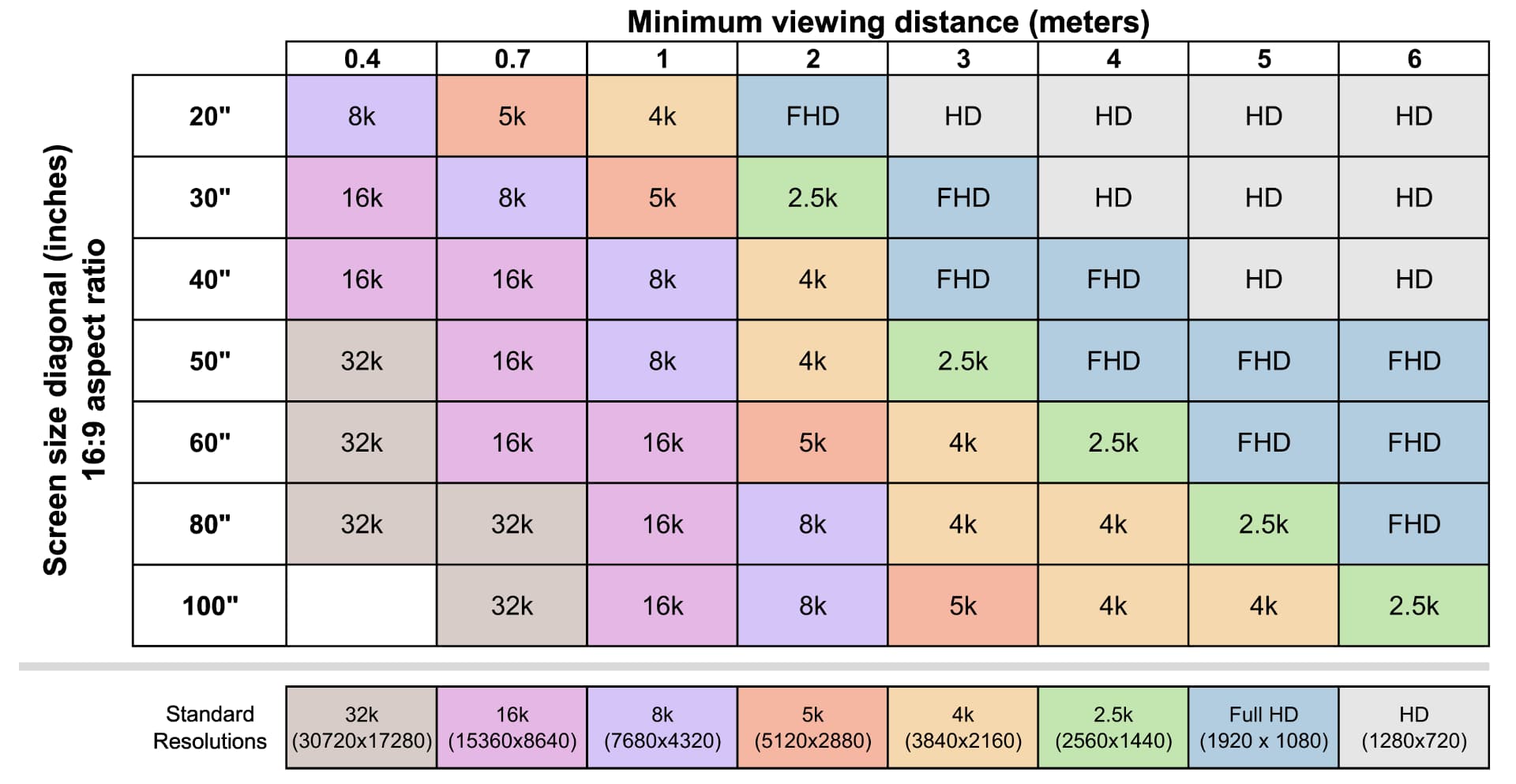
Scientists at the University of Cambridge and Meta have found that the human eye can only see so much. “If someone already has a 4K, 44-inch TV and watches it from about 2.5 metres away, that’s already more detail than the eye can see,” scientist Maliha Ashraf told The Guardian. “Upgrading to an 8K version of the same size wouldn’t look any sharper.”
The team issued a free online calculator that allows users to enter their viewing distance along with the size and resolution of their screen. That indicates you can only make the most of a 50-inch 8K screen if you're sitting just 1 metre (3.3 ft) from it. For an 80- or 100-inch screen, that number grows to 2 metres (6.6 ft). Have fun with the motion sickness that might give the family.
Add in the expense and the fact that the industry had already tried to flog the white elephants of 3DTV and VR as the next big thing, and you can see why people were shy of dropping money on an 8K set. Perhaps the kicker though has been that 8K has been overtaken by other technologies.
You can't throw a dart at CES without it landing on some new TV display technology, with Micro RGB being the latest to turn the heads of well-heeled early adopters. Plus AI-powered upscaling has become so good, that even HD SDR content looks good on a mid-range 4K screen.
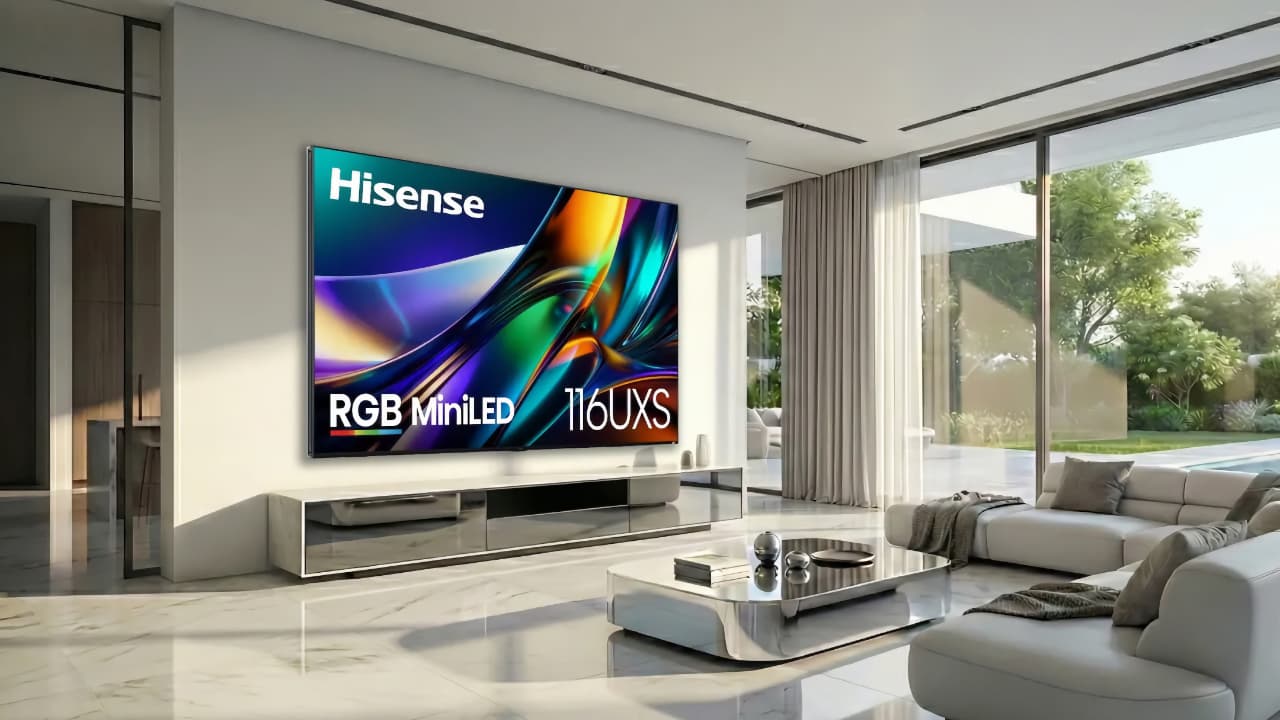
But then, the progress in television specs has never been entirely about resolution. The move from SD to HD and on to 4K might have made it seem like it was. But we also had the jump to color, the move to 16:9 widescreen, the arrival of Nicam stereo, and the growth of Connected TVs there to help drive sales. And, who knows, maybe at CES we saw the start of the next great wave. Take your pick from Micro RGB to ultra-thin TVs to transparent sets to Hisense's introduction of Cyan LEDs (above). But you can pretty much bet that whatever comes next, it will not be at 8K resolution.
Tags: Business 8K TVs Samsung LG 8K TV


RedShark 2020 @ All rights reserved.

Comments