
2 minute read
Advertisement
The prospect of being able to directly control computers and other devices just by using your mind took a step closer to reality today with Synchron releasing public footage of its work with Apple's new BCI Human Interface Device (HID) protocol.
BCI stands for Brain Computer Interface, and the video below is the first public demo of Apple’s BCI HID protocol in action. It shows Mark Jackson, a patient living with ALS and a participant in Synchron’s COMMAND clinical study, and the way he can use the new tech to navigate an iPad Home Screen, open apps, and compose text purely by thinking the commands. As such it represents both a major leap forward in assistive technology and also hints at the future of human-computer interaction.
Apple announced the jointly developed BCI HID back in May. Following that, neural interfaces were formally recognized as a native input category coming to Apple devices via the Switch Control accessibility feature.
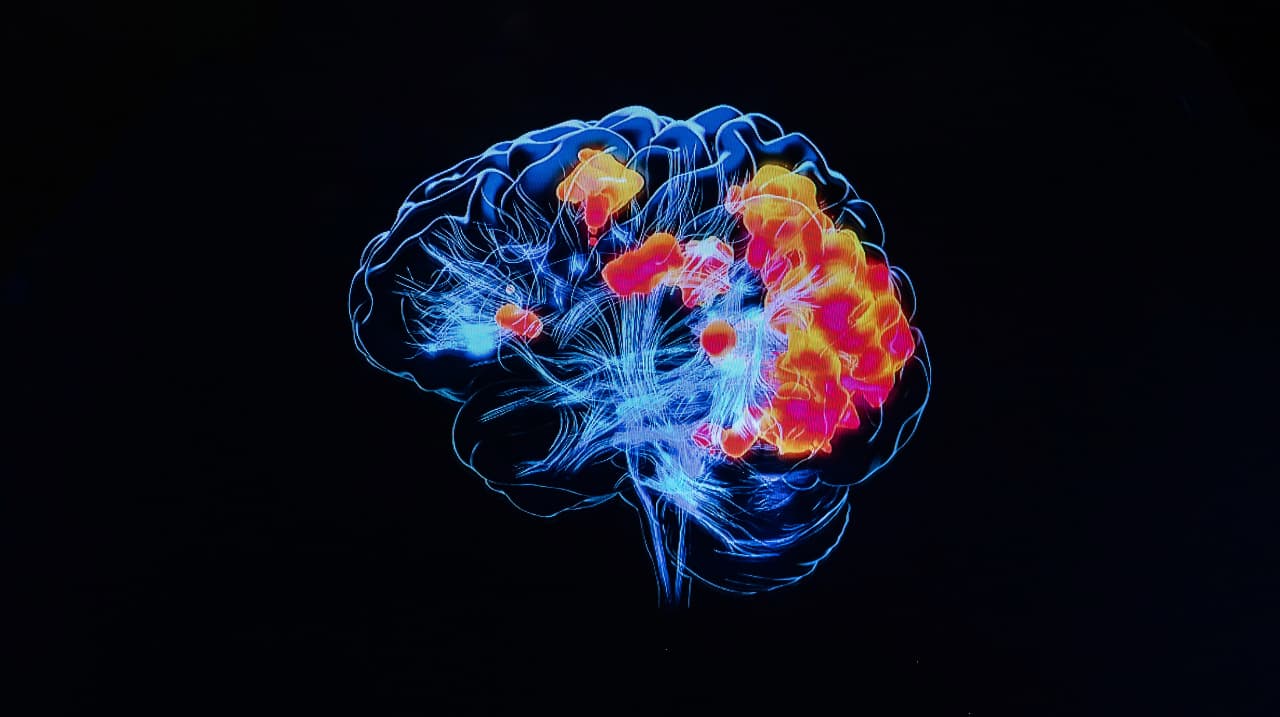
What makes Synchron's tech so interesting is that it doesn't require brain surgery. Rather, its patented Strentrode BCI is implanted in a blood vessel above the brain's motor cortex using a catheter-based procedure. The device can effectively read intention, and transmits those signals to an external decoder which then communicates in turn via the BCI HID. A closed system feedback loop helps optimise the experience so that both Mark and the iPad 'learn' to process his intentions faster. He thinks of his finger pressing an icon, and the icon gets pressed
“When I lost the use of my hands, I thought I had lost my independence,” said Mark. “Now, with my iPad, I can message my loved ones, read the news, and stay connected with the world, just by thinking. It’s given me part of my life back.”
Mark's journey with the mind control of Apple devices started with the Vision Pro, and has now progressed to iPhones and iPads. Apple, which has always rightly prized its accessibility functions, is expected to roll out broader support for BCI HID across all its platforms later this year. Around 10 patients have been implanted with the Strentrode round the world, and, by going public with this, the company is indicating that so far things seem to be progressing well.
"This is a big step towards the future where brain computer interfaces become ubiquitous for digital device control," says Peter Yoo. Synchron's senior director for neuroscience and algorithms. "It means it opens up the ecosystem, it means more options for our users, and the usability skyrockets from this point on."
Coming to a camera near you soon? While surgery is involved, that's unlikely. But this is a rapidly progressing technology and if a system can be perfected that can register those intentions non-surgically, then the brakes on this sort of thing will be well and truly off.
Tags: Technology

Written by Andy Stout
Advertisement
Advertisement
Advertisement
Advertisement
Advertisement
RedShark is a multiplatform online publication for anyone with an interest in moving image technology and craft. With over 50 contributors worldwide, full-time developers, editorial, sales and marketing staff, it is the go-to site for informed opinion and know-how for the quickly changing video, film and content creation industries.

RedShark 2020 @ All rights reserved.

Comments