
3 minute read

Shares down, engagement wobbling, and its biggest hits ending. The wheels haven’t come off the Netflix bandwagon yet, but several are looking decidedly wobbly on their axles. What will the streamer do next?
Netflix reports its latest earnings on Thursday and, for once, there is a certain amount of nervousness from investors regarding the company that was once one of the darlings of Wall Street. Shares are down a massive 40% over the last 12 months and, according to Nielsen, its share of the US viewing audience slipped to 7.8%.
Many other broadcasters would kill for that number, but for Netflix it’s a downturn from historic highs. It’s not the only one either.
One of Netflix’s main issues is that it seems to have developed a tricky second season problem. The streamer’s famous nose for what makes a good show seems to be misfiring. One Piece lost more than 30% of its audience in its second season. Beef fell by more than 70%, The Night Agent by 50% (and a further 35% in its third, leading to its cancellation after its next season).
And Avatar: The Last Airbender, one of the platform's most-watched titles in 2024, recorded a drop of more than 60% in the first week of its latest season.
It might, of course, hoover up a substantial number of viewers with longer tail viewing, but Netflix seems less inclined to give shows the time to find an audience. We haven’t gone back to the occasional brutal cancellations of the network era (it’s been over 23 years since Firefly and I'm still bitter), but the times when you could rely on a Netflix show making it to the end of its run seem over.
The Boroughs seemed to be returning decent audiences, but got pulled unceremoniously not long after it dropped (though this may have been partly to signal company displeasure at exec producers The Duffer Brothers leaving for Paramount Skydance).
The key word in there is ‘dropped’. Netflix is the only major streamer left that releases everything via the binge model, with everyone else releasing two or three episodes in one drop at most before then pivoting to the old weekly cadence. This has helped many shows find audiences.
Apple TV’s Star City went from ‘This is interesting’ to ‘This is superb’ in TV geek circles over the course of its six-week/eight-episode run, while it is hard to imagine its excellent Pluribus having the impact it had if all episodes had been splurged over one weekend.
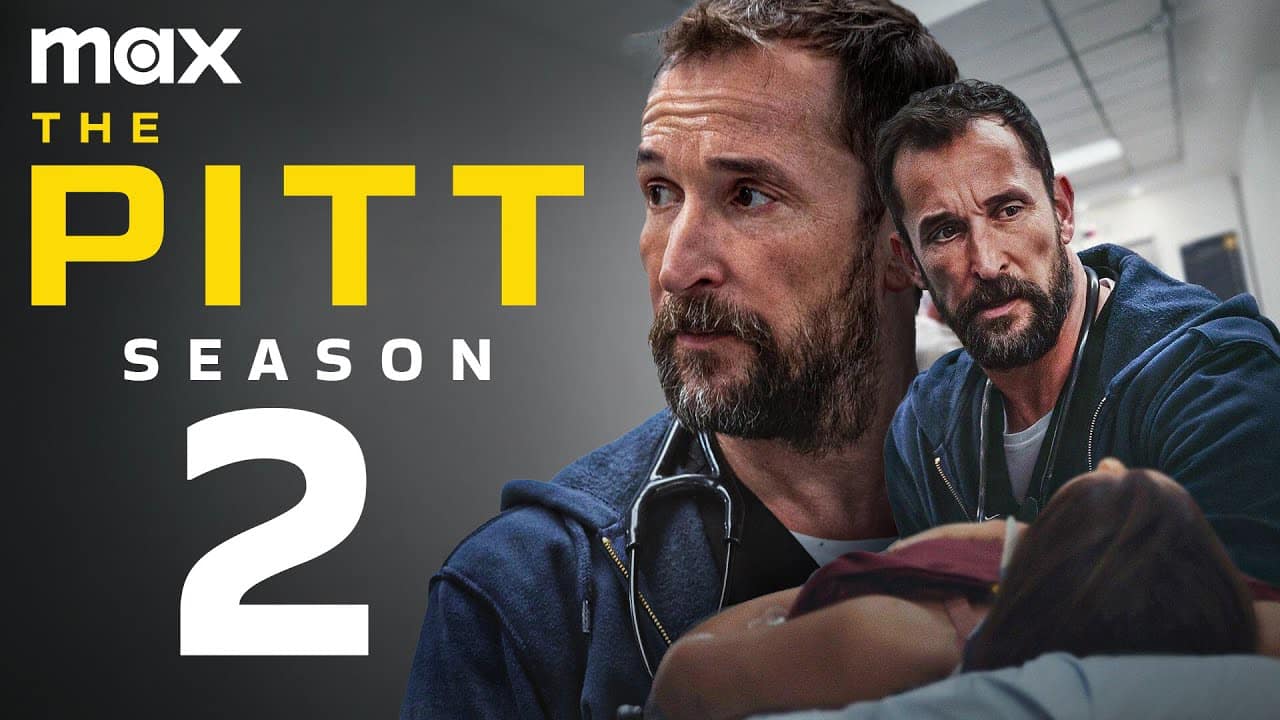
Talk of Apple highlights another issue. Last week’s Emmy nominations were headed by HBO Max with 122 nominations. Netflix landed 111, while Apple scored 87. In terms of nominations as a percentage of output, Netflix is being absolutely blown out of the water by its rivals.
Yes, two shows alone counted for HBO Max’s haul, The Pitt and Hacks, but here’s another difficulty for Netflix: its most popular content is either retired or approaching retirement. Stranger Things is done, The Witcher is winding up, Squid Game bowed out with declining numbers that seem to have put a hold on a much-trailed US remake, and it’s not obvious where its next hit is coming from.
Netflix has been diversifying its production base in recent years. Following the left-field success of Squid Game and having been spooked by the Hollywood strikes of 2023, it sees its ability to mount productions outside of the US and outside of the English-speaking world as definite positives of its sheer scale.
But while it’s casting its net wider, it’s also making that cast narrower. It seems to be commissioning less long-form content overall while it looks to put more money into surefire audience bankers such as live sports.
The middle ground of what is being greenlit is becoming squeezed as well, as shows that aren’t proven franchises are getting frozen out in favour of either big bets on existing IP or lower-cost formats. If you’re a fan of reality TV formats, you might be in luck.
It’s also looking at pivoting away from some of what could be characterised as its core beliefs. First, you might see it bundling in other services such as HBO Max or Peacock and selling them via its own app as a way of increasing consumer ‘stickiness’. Second, it is allegedly looking at launching live channels: continuous streams based on a single show or genre that remove from the consumer the pain of having to choose what to watch.
Just for example, choose the Seinfeld channel, and you’ll land somewhere in the middle of 180 episodes with it being nearly three days before you start to see the same content again.
Such FAST (free ad-supported TV) offerings have been the big TV industry success story in recent years, but for Netflix to offer them would be quite the break from the past. That is, it would be a break from its past. Looking at it in the wider context of the TV industry as a whole, when put alongside increasing costs and the fragmentation of content options, it would be another indication that we are steadily returning to the TV industry as it was before Netflix broke it in the first place.
Tags: Business Streaming Netflix


RedShark 2020 @ All rights reserved.

Comments