5 minute read

Cinematographer Caleb Heymann breaks down the creative and technical choices behind Stranger Things Season 5, from camera and lens choice to lighting strategy, scale, and key 1980s visual influences.
After working on this tirelessly for 18 months, including 240 main unit shooting days, cinematographer Caleb Heymann finally has a moment to breathe. “Crafting this monster of a final season was like making eight feature films all at once, and somehow managed to exceed the scale and scope of Season 4,” he says.
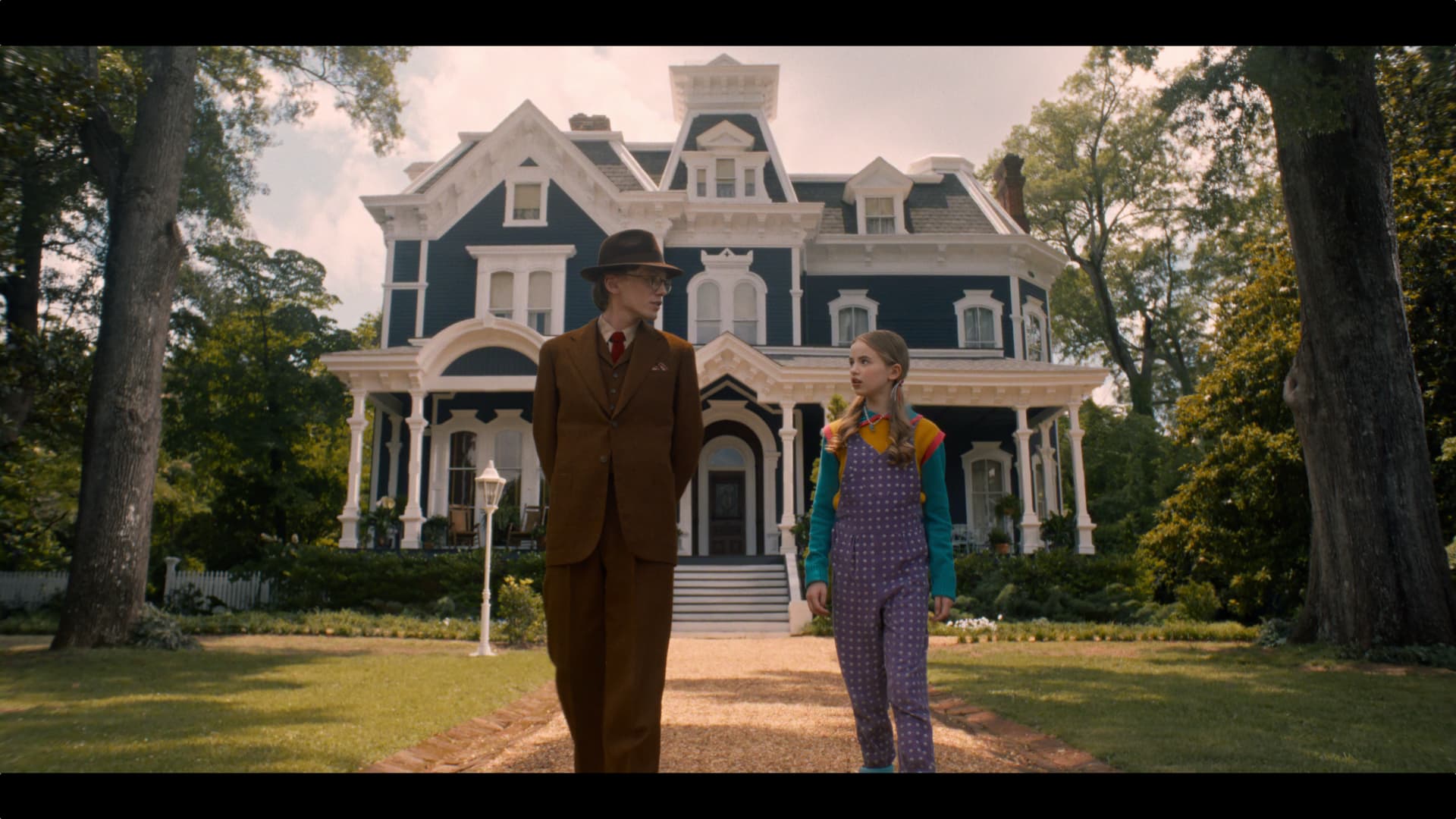
Set in the fall of 1987, Stranger Things 5 picks up more than a year after the events of Season 4, which ended with the series villain, Vecna, opening the gate to the Upside Down and the show’s core cast reunited in Hawkins.
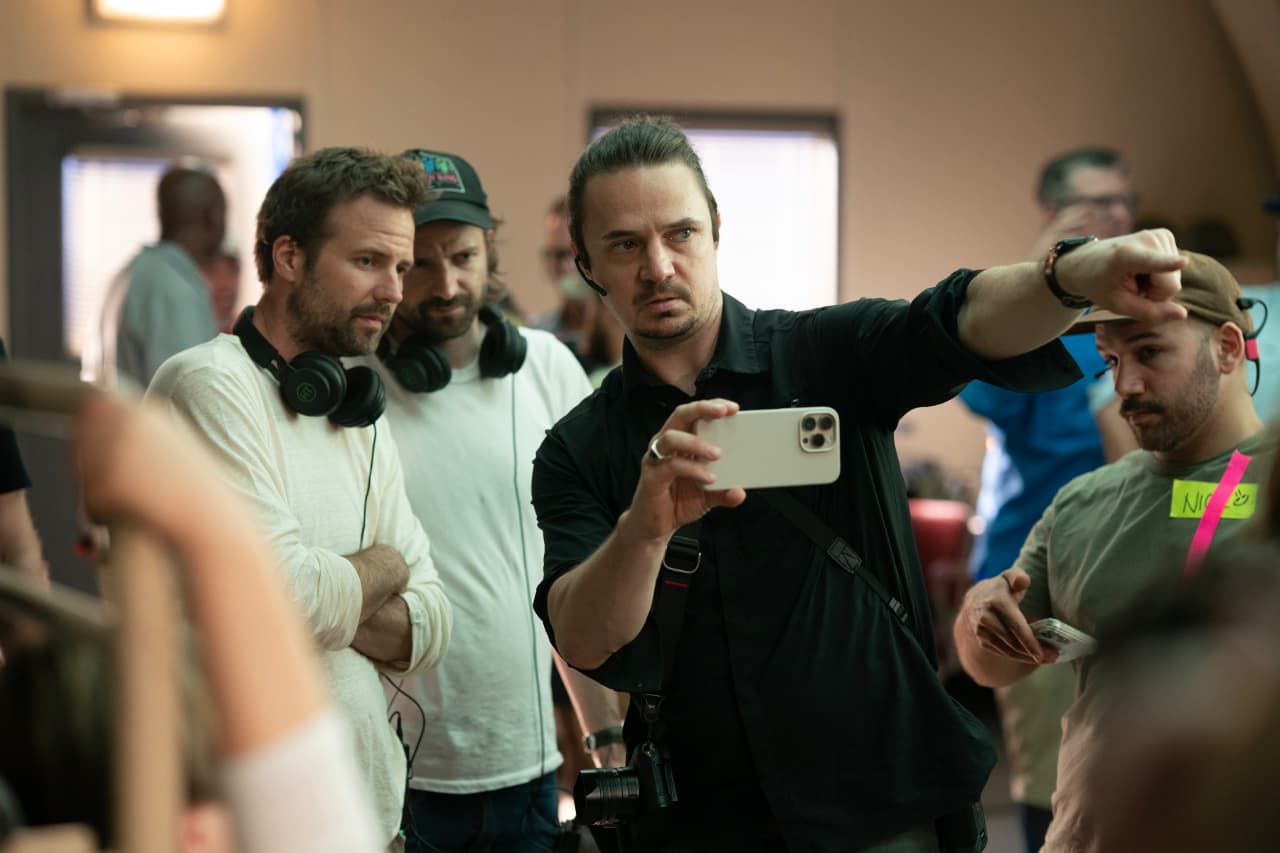
As the show builds to its decade-long climax over Christmas and the New Year, RedShark sat down with Heymann (with phone, below) to talk about the visual strategy behind Stranger Things’ most ambitious season yet. Some spoilers for the first few episodes of Season 5 below...
From the show’s earliest episodes to the present, Stranger Things has distinguished itself through its vast geography — basements, forests, labs, attics, small-town homes, and other-dimensional nightmares.
“One of the unique aspects this season was the sheer scope of locations,” says Heymann, who joined the show’s second unit on S3 and shot the majority of S4, and now returns to the acclaimed series as Director of Photography for Episodes 1, 2, 4, 7, and 8 of the final season. “We had a balance of stage builds and real locations, with 361 sets across Volume 1 and 2. As you can imagine, that’s a lot to manage.”
To keep it cohesive, there are certain lighting approaches and aesthetic choices that creators Matt and Ross Duffer and Heymann gravitate toward. “Specific lenses, tight eyelines, intentional camera movement, and a consistent sense of contrast.
“The show uses very bold camera movement, but always with intentionality. Those choices become part of the visual signature of the show from season to season, and also from location to location.
“As a DP, there are also colour temperatures I prefer, often incorporating warmed tungsten tones. Within each location, I try to find the colour palette that complements what the art team has created, while still feeling realistic and grounded.”
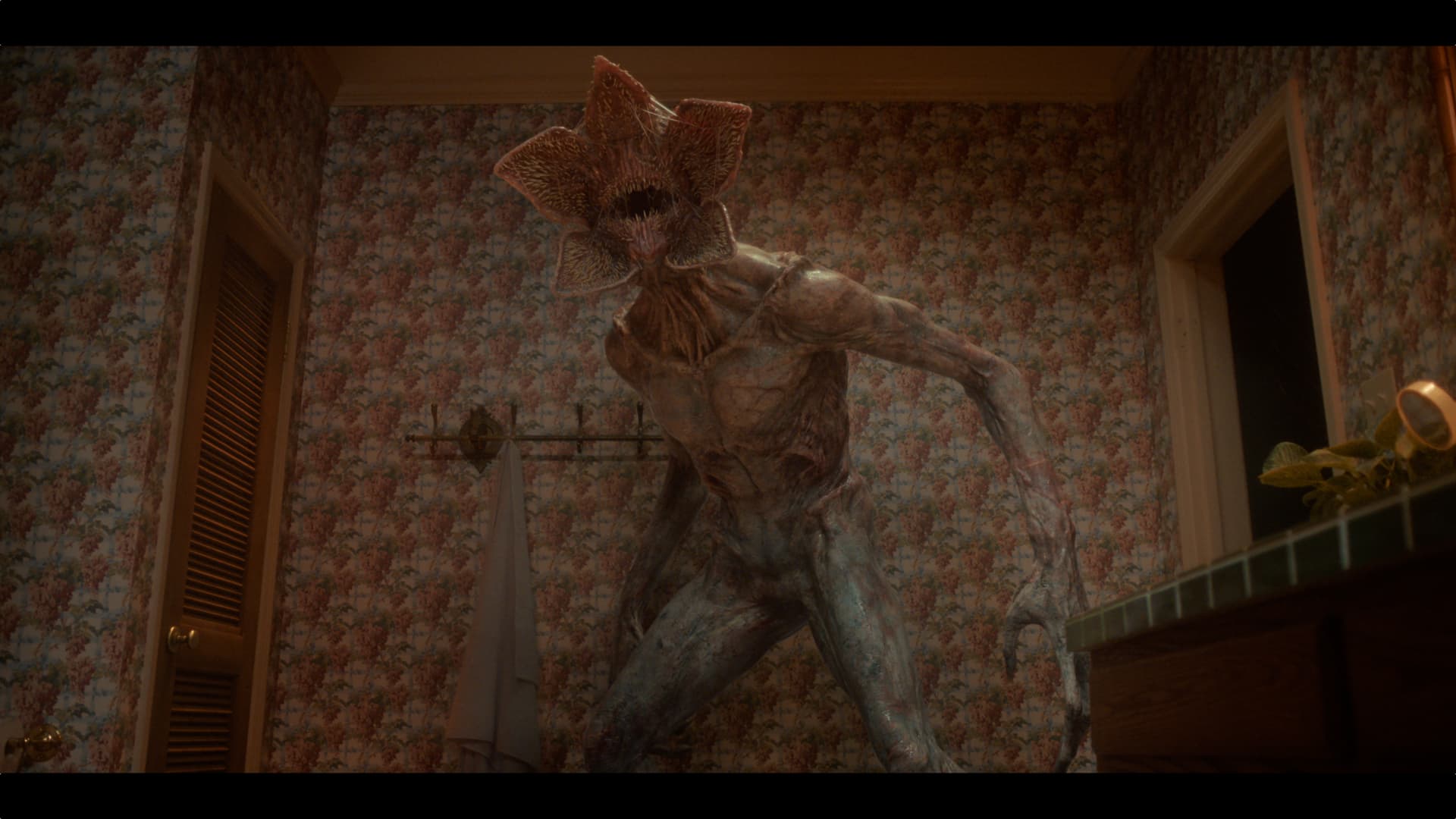
For example, the Squawk basement — which was a new set — incorporated a mix of uncorrected fluorescent light, daylight from the window (which changes colour temperature depending on time of day or emotional tone), and tungsten projectors. “We used those motivated light sources as a base, and then built colour contrast and mood around them. Location scouting follows a similar logic. We look at what the sun is doing, whether a scene could work as a sunset or a blue-hour moment, and how those natural cues can help define the tone.”
 RedShark: Am I right in saying that Skip Kimball has been the colorist throughout?
Caleb Heymann: Yes — and that consistency has been invaluable. And yes, we use a single show LUT. We had one main LUT for the season, with a high-contrast and low-contrast version because we often operated without a DIT, which is pretty wild for a show of this scale. We also had a separate LUT for the mindscape/memory-world scenes, which we wanted to feel more poppy, colourful, and Technicolor-inspired.
Using a single LUT keeps the number of variables limited — it’s a bit like working with one film stock and learning its characteristics, including how it handles under- or over-exposure. Most of the colour choices are done in-camera through the lighting.
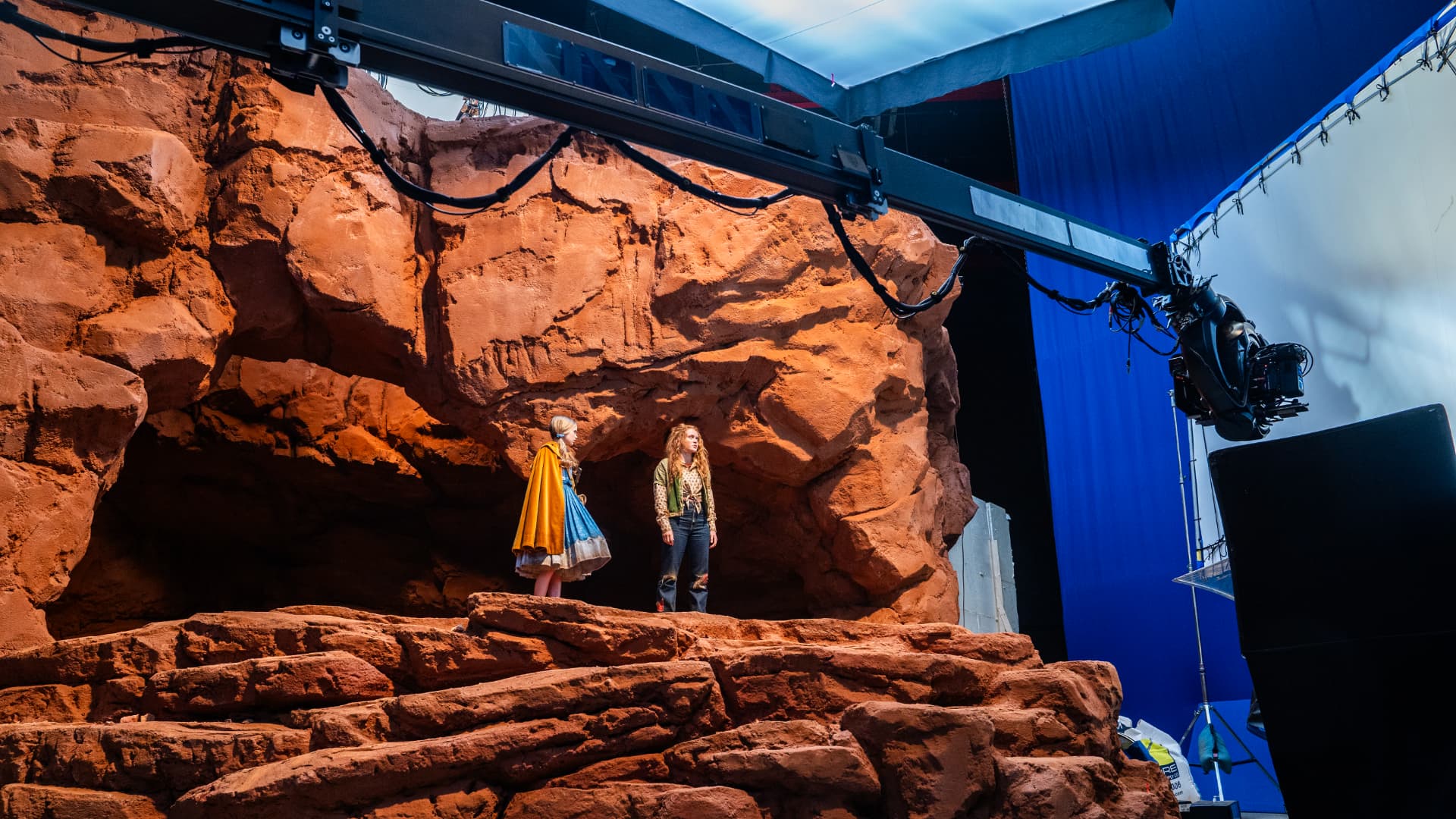 The camera package has evolved season to season beginning with RED Dragon (S1) and Leitz Summilux-C lenses, moving to Helium (S2), large format Monstro in RED’s DSMC2 8K VV (S3) and then transitioning to ARRI Alexa LF on S4. What were your decisions this time?
We tested cameras at the start of the season and chose the Alexa 35 for its exceptional ability to handle highlights without unpleasant clipping. You can go nine or ten stops over and still retain naturalistic roll-off, very much like the human eye. It allowed us to be bolder with lighting — for example, blasting hard light through windows without worrying about harsh digital clipping.
On the low-exposure end, the 3200 Enhanced Sensitivity mode opened creative options as well — not for lack of light, but because in some action sequences we wanted greater depth of field. With the amount of camera movement in the show, depth of field becomes a practical concern for focus pullers.
The Alexa 35 also aligns better with the aesthetic period the show references — the 1980s — when Super 35 was the standard. The sensor size felt right for the homage.
For lenses, we primarily used Cooke S4s. We also carried Angénieux Optimo zooms to match, and MasterBuilt Classics for shots requiring T1.4 or when we wanted more dramatic flares from flashlights. The S4s render faces beautifully and have a subtle character without overly aggressive flares, which was important since we had many bright practical lights in-frame, plus heavy VFX integration.
Season 4 used rehoused vintage Canon FD lenses, which look great but can be challenging for focus pulling — something we didn’t want to battle with during the big action sequences this year.
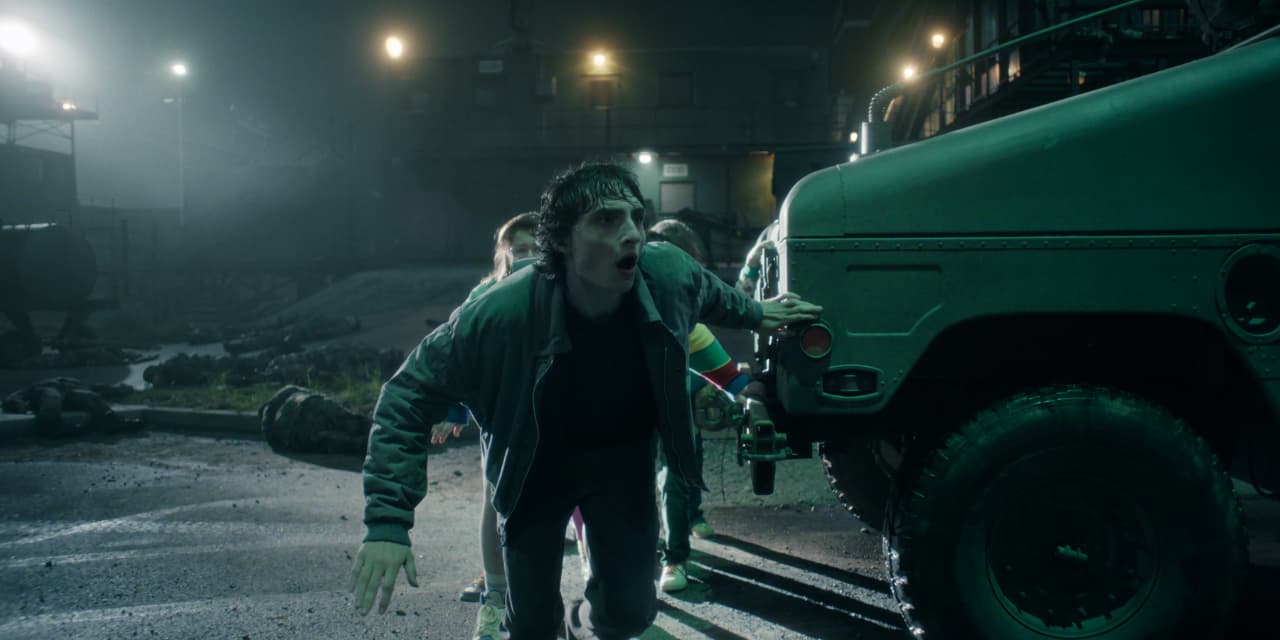 How did you use Unreal Engine for designing the lighting for the Military Access Zone (Max-Z) and why?
We mainly used Unreal Engine as a planning tool — to communicate with art department, grip and electric, and production. The Max-Z was a huge set, and Unreal helped us determine how many lifts we needed, how tall they needed to be, how many blue screens were required, and where they should go.
We could drop into the virtual set with a 21mm or 24mm lens and see our expected angles, then assess how many actors might drift off blue, or whether an 80-foot or 120-foot Condor was needed. It was extremely helpful for early logistical planning.
Lighting was mostly handled via pre-lighting and the advanced 3D lighting models generated by gaffer Stephen Grum and his team. The fixtures team led by Joshua Earles-Bennet built us custom flashlights and outfitted dozens of vehicles with headlights that we could remotely dim and flicker. The Max-Z also had hundreds of custom practical fixtures — all flickering, all individually controlled — including headlights, brake lights, gun-mounted lights, and base lighting. It was an enormous undertaking.
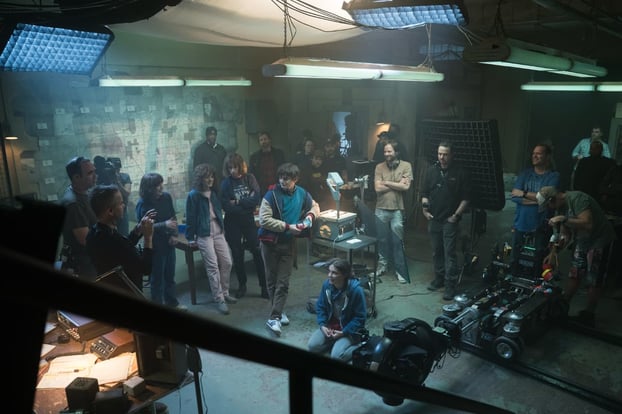 This season is essentially eight feature-length episodes. You’ve described only a fraction of the complexity — it seems like a scale that very few DPs ever encounter. Was managing that scale the primary challenge, and how did you handle it?
Thankfully, we’d had a similar challenge with Season 4, which was also supersized — over 12 hours of runtime — and shot under COVID restrictions. So we knew what we were stepping into.
As a DP, you learn to switch modes depending on what’s immediately in front of you. It’s a kind of triage: detailed planning for what’s shooting soon, simultaneous long-term planning for the big sequences further out, and early conceptual planning for sets even further away.
I use mood boards extensively for each location, and spreadsheets to track every scene — including camera notes, lighting notes, and specialty gear. Each episode has its own stills gallery from dailies, which allows us to maintain visual continuity even if we haven’t revisited a location for months. This also helps the second unit and the alternating DP (Brett Jutkiewicz) stay aligned.
Did you reference any 1980s films when developing the look of this season?
Yes, many smaller references — individual stills or frames that contribute to a larger mood board for each location. But in terms of major influences: Alien and Aliens were big ones. The sequences in the upside-down military base drew heavily on the lighting texture and bold, alive quality of the lighting in those films. The Duffers are huge fans — the day I pitched “going full Aliens” for the end of Ep. 4, Matt happened to be wearing an Alien T-shirt, so that sealed the deal.
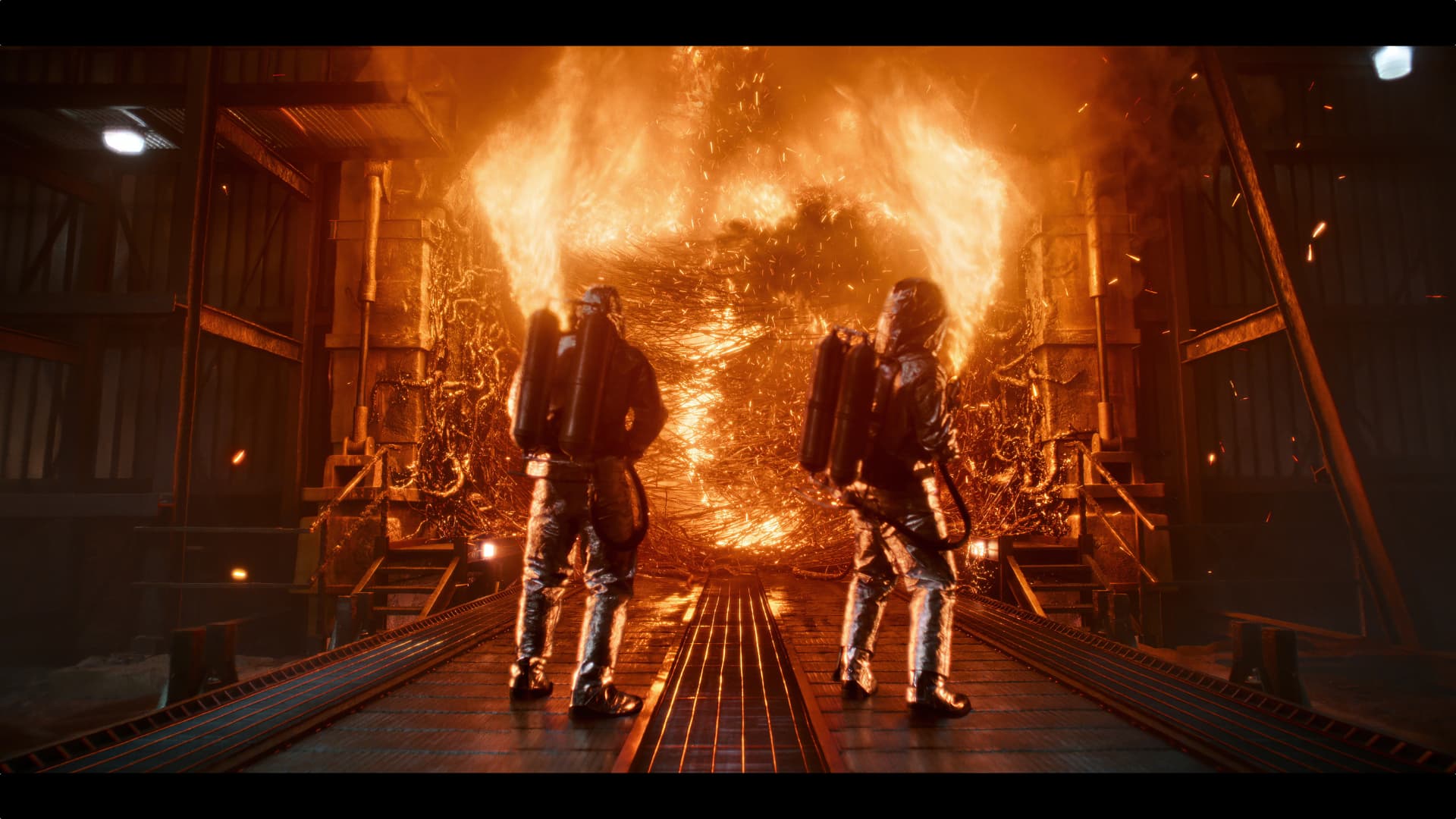 Can you tease what we can expect visually and emotionally in the final episodes?
Each episode has its own visual arc — something that builds toward a crescendo. The entire four-episode volume also has an arc, with Episode 4 reaching one of the boldest visual peaks of the season. We’ve attempted to do something similar for Volume 2.
There’s a lot of action, but we also worked hard to balance the epic scale with intimate, emotional moments for the cast — to give them space to shine. We shaped the lighting and atmosphere on set to support those performances. I’m excited for people to see it.
Stranger Things Season 5 Volume 2 (Episodes 5-7) drops December 25, 2025 at 8 PM ET. The Series Finale follows on New Year’s Eve at the same time.
Tags: Production cinematography BTS Cooke Netflix Stranger Things ARRI Alexa 35


RedShark 2020 @ All rights reserved.

Comments