2 minute read

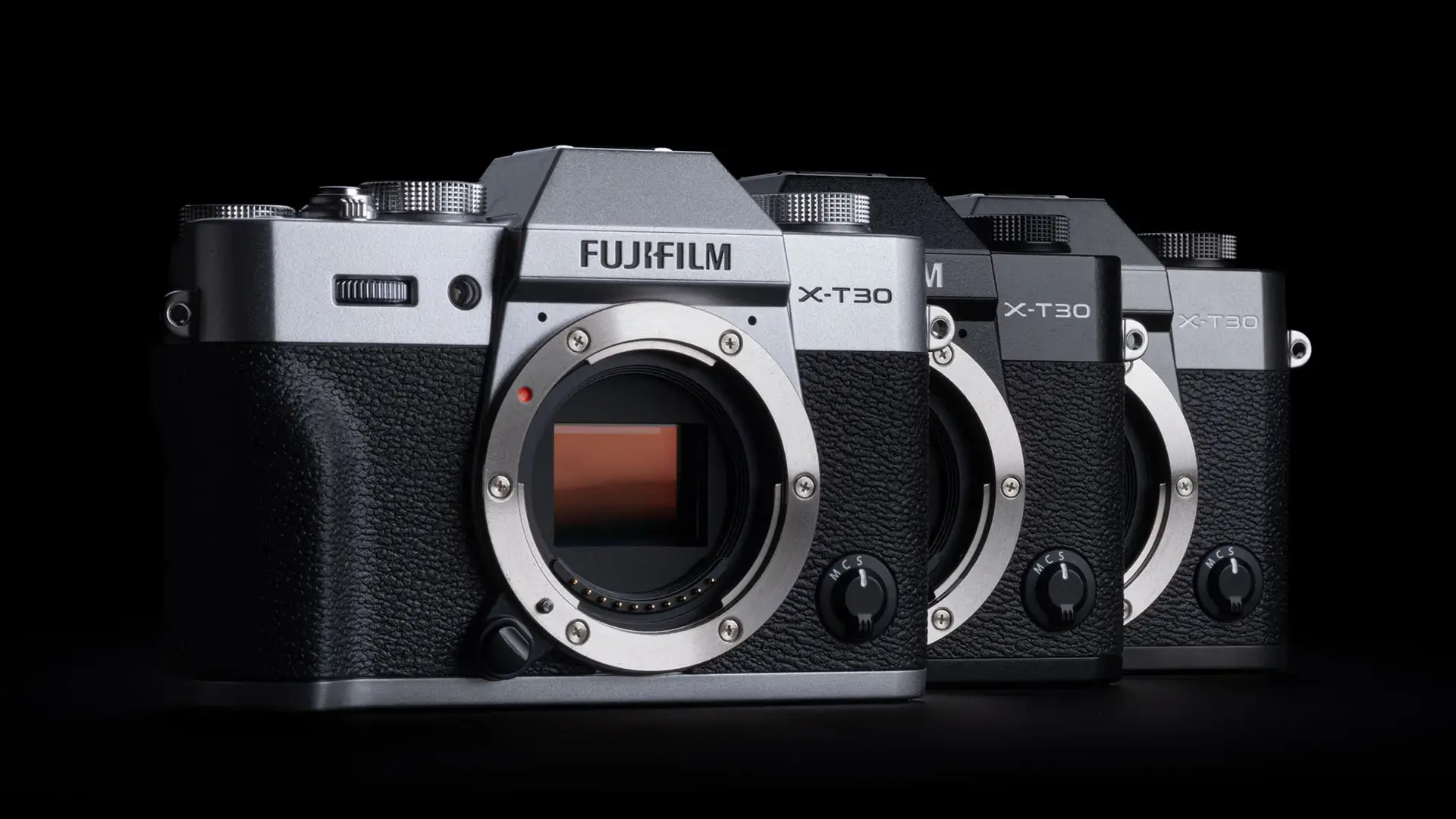
The latest iteration in the X-T30 series cameras, the Fujifilm X-T30 III promises film-inspired looks, a growing lineup of interchangeable lenses, better autofocus, and improved video.
Few camera manufacturers have quite so many models filling quite so many niches as Fujifilm does. The X-T30 series though has traditionally been the entry point, and by updating it to a third generation with the Fujifilm X-T30 III, Fujifilm keeps it relevant to the modern market and under the psychologically important $1000 barrier.
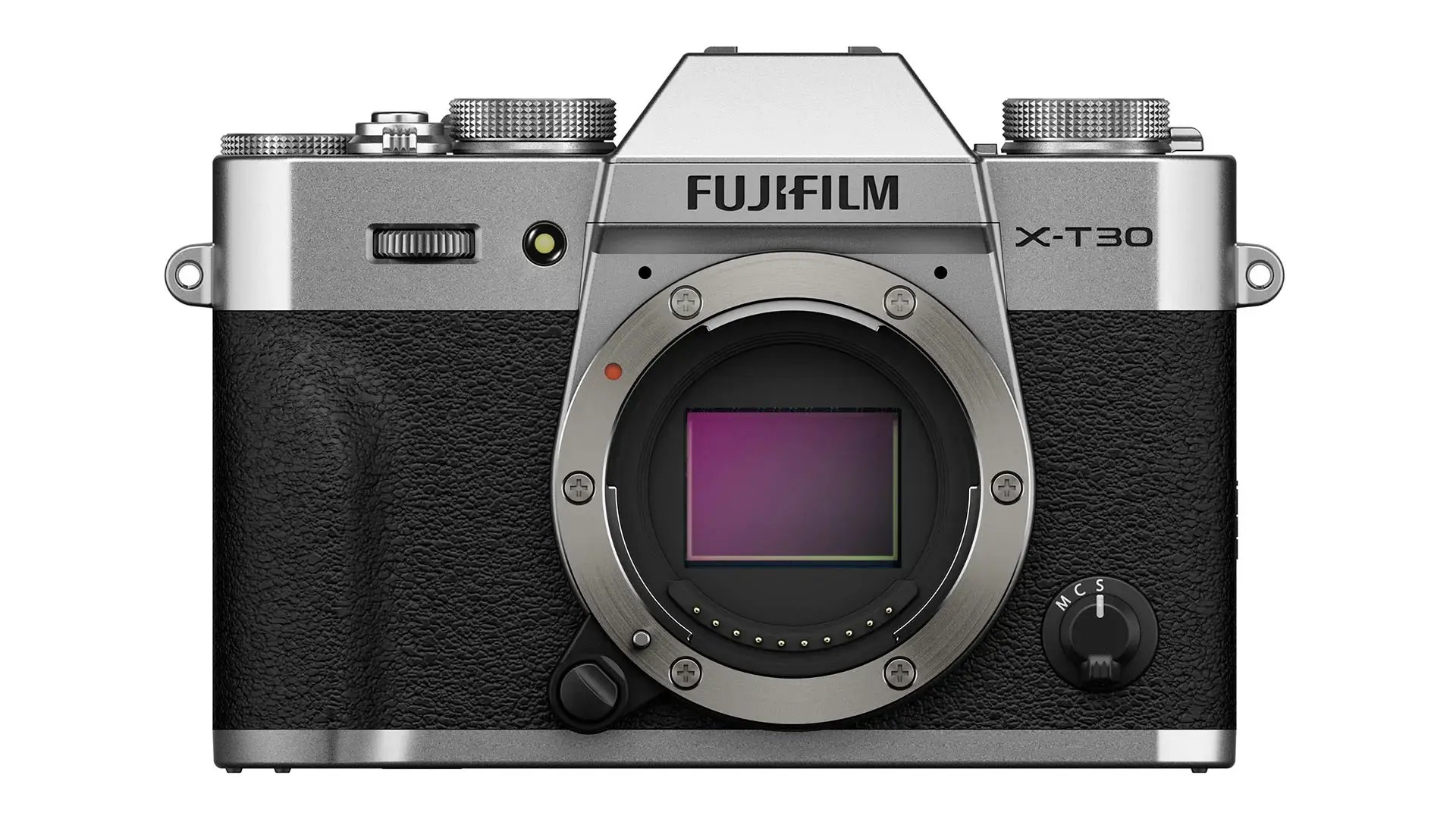
Given the success of the previous model, the X-T30 III doesn't change too much. It's built into the same chassis, so retains the Fujifilm signature retro styling as well as the lightweight 378 gram / 13.3 oz feel. The central viewfinder and pleasingly analog dial-based design offers the same classic film-camera experience as other models in the X-T range, with a handy Auto mode also available for those who want to bail on the tactile stuff and just point and shoot.
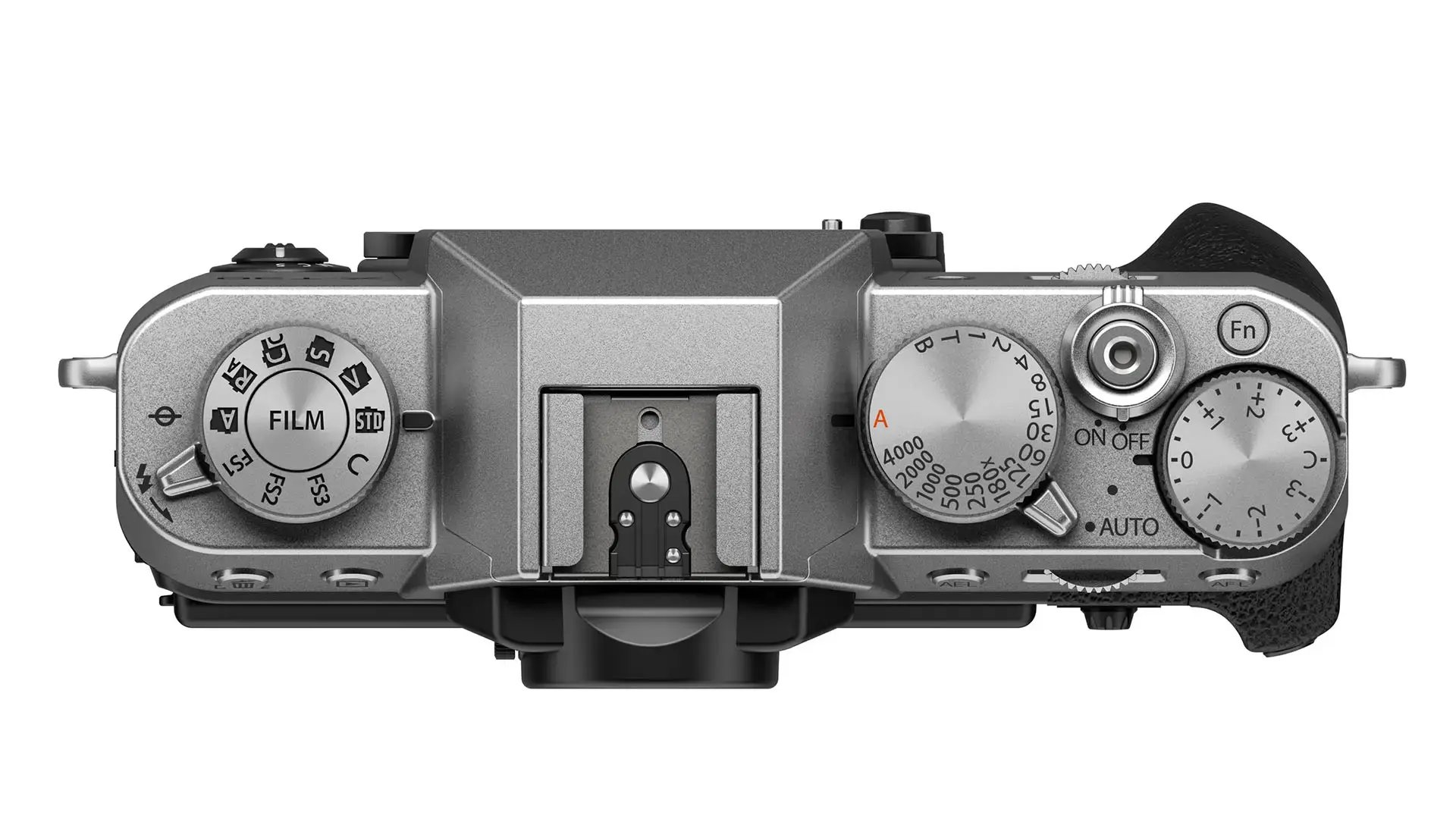
Some of those dials and buttons have moved around, but the most prominent addition is the Film Simulation dial. The provides access to a total of over 20 looks from the Fujifilm color science archives. The dial has three customizable positions, where users can save their favorite Film Simulation and selected image settings as original Film Simulation recipes. These can be accessed quickly by turning the dial, adding extra creative options for different scenes and subjects, using options including Grain Effect, Color Tone, and Highlights, for a truly individual look.
You get the same 2.36 million dot EVF as before, and the same tilting 1.62 million dit LCD screen. It's built around a back-side illuminated 26.1-megapixel X-Trans CMOS 4 sensor and the latest high-speed X-Processor 5 image processor. This processor has enabled a lot of the new features, including improved autofocus and AI subject tracking, not to mention getting more out of the same battery (425 shots and around 40 minutes of 4K video).
 For all its many decent features, the X-T30 III is primarily a stills camera that does do video. It supports up to 6.2K/30p internal recording in HEVC 4:2:2 10-bit quality. It also features higher frame rate options including 4K/60p and 1080/240p, and features digital image stabilization to reduce small amounts of shake and movement while walking etc.
But while 6.2K Open Gate sounds good on paper, the camera isn't really optimised for video. Audio options are limited — it still features a 2.5 mm stereo mini connector! — and what that compact body gives in portability, we suspect it takes away in thermal performance. So yes, more and better video, but you might want to look elsewhere if video capabilities are central to your plans.
Alongside the new camera, there is also the new Fujinon XC13-33mmF3.5-6.3 OIS, which the company says is its smallest and lightest zoom lens to date. It measures just 1.48 inches (37.5 mm) and weighs 4.4 oz (125 g), but from that will give you plenty from a wide-angle 13mm (35mm equivalent: 20mm) up to the standard 33mm (35mm equivalent: 50mm).
Featuring a 10-element in nine-group construction, including four aspherical elements and three extra-low dispersio glass elements, it suppresses typical wide-angle lens characteristics including distortion, field curvature, and chromatic aberration across the entire zoom range.
The nine-blade aperture achieves a more circular bokeh effect compared to conventional XC zoom lenses, while a 0-stop Optical Image Stabilization mechanism makes it useful for handheld night photography and pictorial use of slow shutter speeds.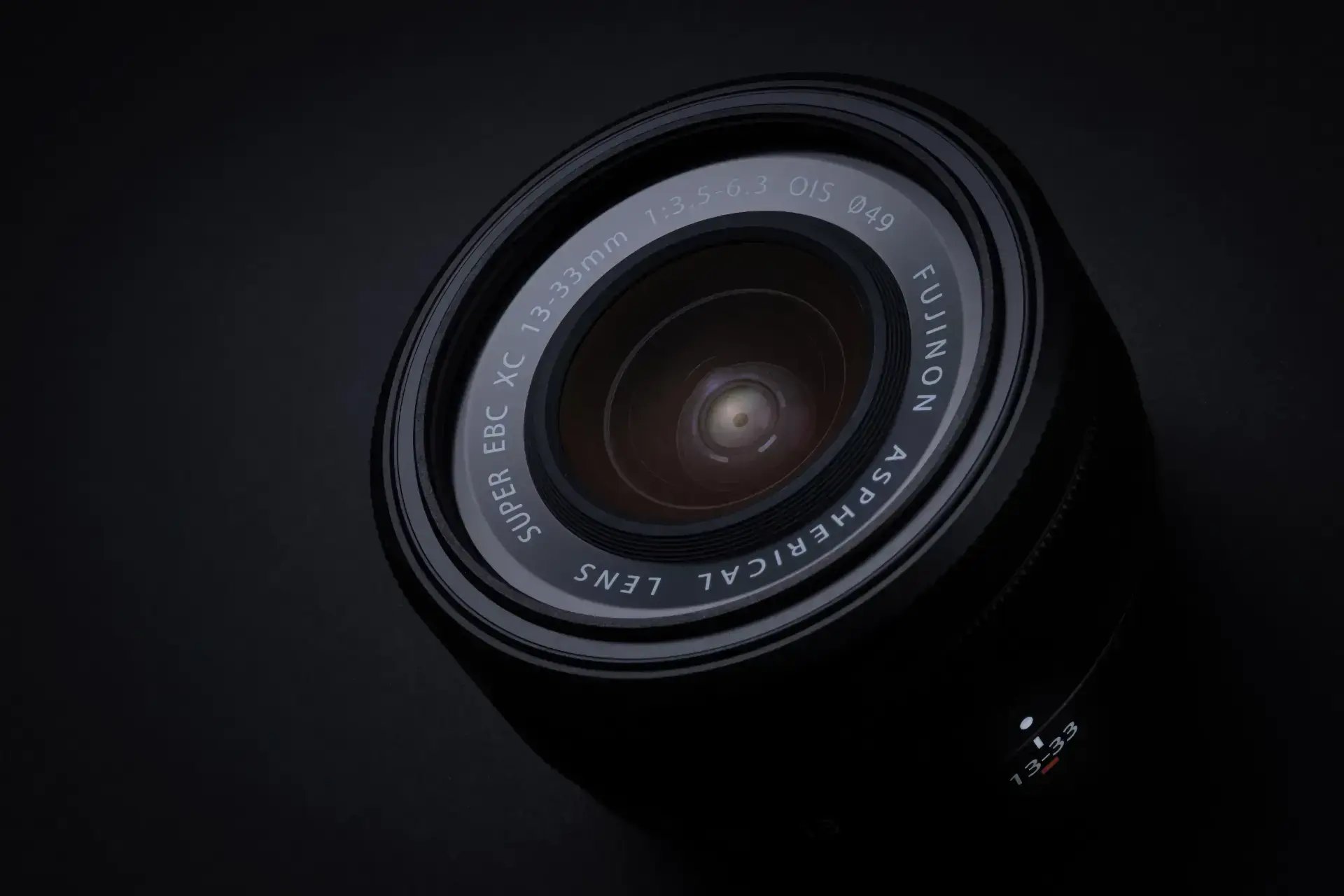
The Fujifilm X-T30 III will be available in late November for $999, and in a kit form with the Fujinon XC13-33mmF3.5-6.3 OIS lens for $1149 in mid-December. The lens on its own will be available in late January for $399.
Tags: Production Cameras Fujifilm


RedShark 2020 @ All rights reserved.

Comments