
2 minute read
Advertisement
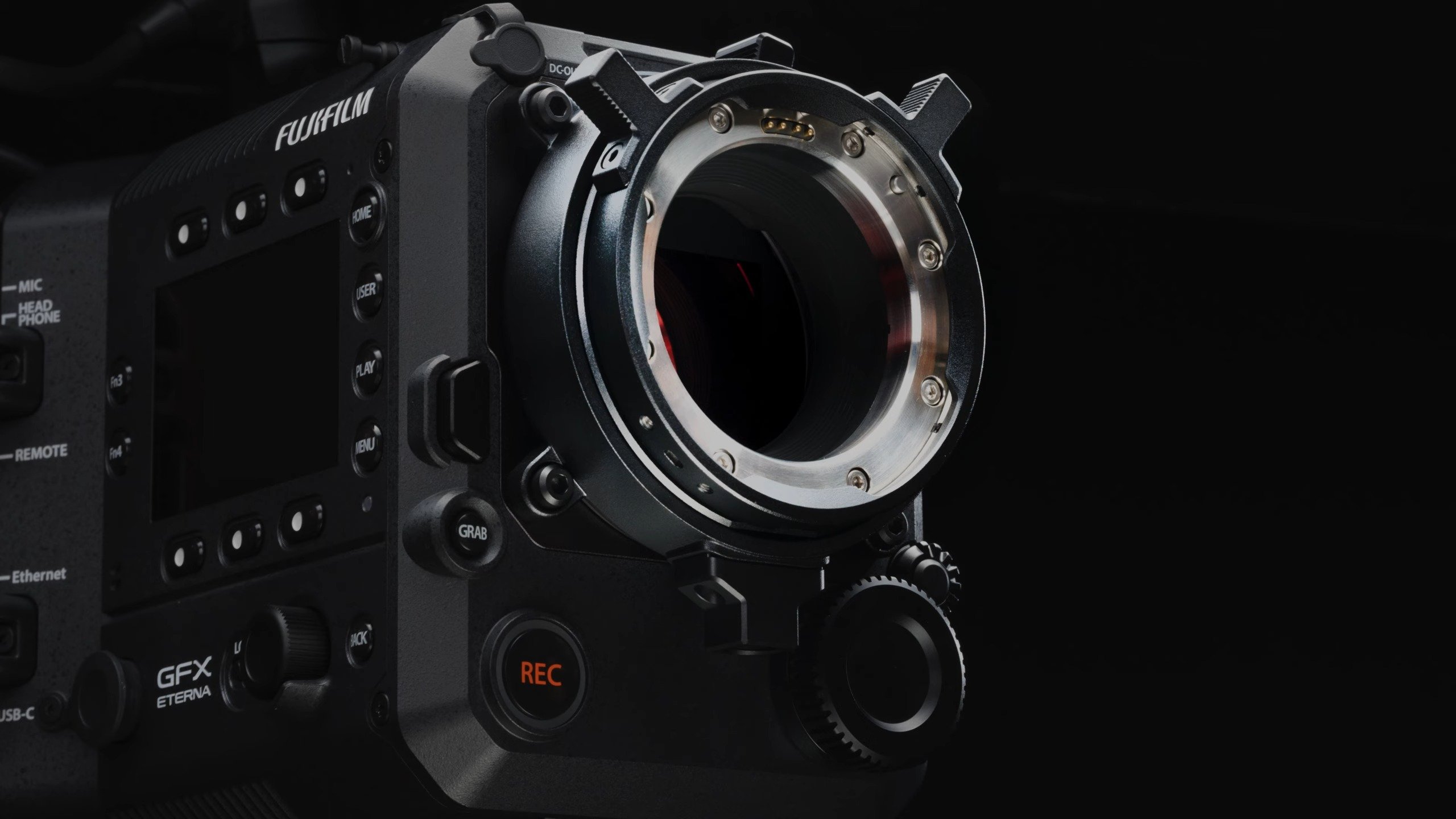
In the latest deep dive video looking at the development of the Fujifilm GFX ETERNA 55, the team behind the product design of the camera reveals the process behind their choices.
Fujifilm has just released the latest episode in its YouTube series of Development Stories surrounding the GFX ETERNA 55, and this one delves into the design of the camera.
And that's not just how it looks, as the video makes clear, form follows function. "We received feedback from users saying, “You must not interrupt shooting.” So we made that the highest priority and reflected it directly in the design," explains Fujifilm product designer Hiroyuki Sakai.
There is a lot to love in this episode as the team delve into what makes the camera tick and how they see it being used out in the field.
"Another thing—the “Sogi Design” used in the GFX100 II makes the camera look smaller than its actual size," says Sakai-san. "We applied that effect to the design of this professional camera. By shaving the shoulders and the underside significantly, we created an octagonal form.
"Plus, for video shooting, we placed key operation parts on these slanted surfaces. When the camera tips over sideways, we didn't want controls hitting the table directly and getting damaged, stopping the shoot. By placing them on the slanted surfaces, the controls are protected. We believe this also contributes to improved durability."
The camera has two identical side panels, each displaying the same status information. On set, operators and assistants often stand on opposite sides, each needing to check information or make adjustments. If they don’t see the same data, communication breaks down. So matching panels have been on both sides to ensure both can work from the same information at the same time.
"We heard from cinema professionals that “small monitors are hard to see,” but if it’s too big, it gets in the way of the compact, lightweight body," says electrical design engineer Daisuke Kusuda. "So we discussed what size would be best, and eventually decided on 5 inches. To achieve 2000 nits, we redesigned the LED structure. This time we used a “direct-lit” system with densely packed mini LEDs to illuminate the entire panel. As a result, even with this size, it outputs uniform 2000 nits across the entire screen."
There's plenty more to talk about too, from the positioning of the various controls to the way that the cables are routed around and into the camera. A huge amount of care and attention has gone into the development of the GFX ETERNA 55, and it's interesting to hear about these small details ahead of the reviews that examine them.
As Kusuda-san concludes: "I personally think this is our masterpiece."
As we said, this is the fourth in the series of the company's Development Stories about the new camera. Episode One covered the Product Concept, Episode 2 the Sensor, and Episode 3 the Color Science. All are below.

Written by Andy Stout
Advertisement
Advertisement
Advertisement
Advertisement
Advertisement
RedShark is a multiplatform online publication for anyone with an interest in moving image technology and craft. With over 50 contributors worldwide, full-time developers, editorial, sales and marketing staff, it is the go-to site for informed opinion and know-how for the quickly changing video, film and content creation industries.

RedShark 2020 @ All rights reserved.

Comments