3 minute read

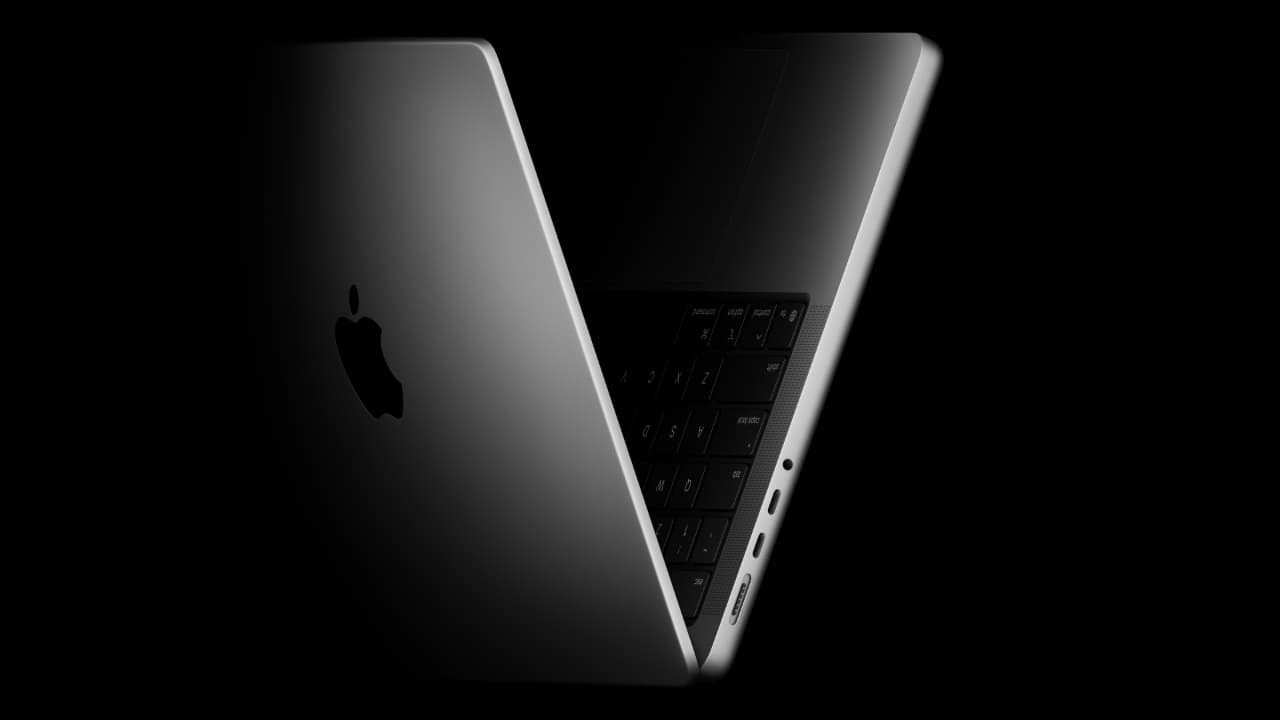
News of Apple's M5-powered lineup didn’t so much leak as flood. Now that it’s official, what do we actually have? In short, the message is one of evolution, not revolution.
Built using Apple's third-generation 3-nanometer technology, the new M5 silicon introduces a next-generation 10-core GPU architecture with a Neural Accelerator in each core. This has been designed to accelerate GPU-based AI workloads, Apple saying it will provide over 4x the peak GPU compute performance compared to M4.
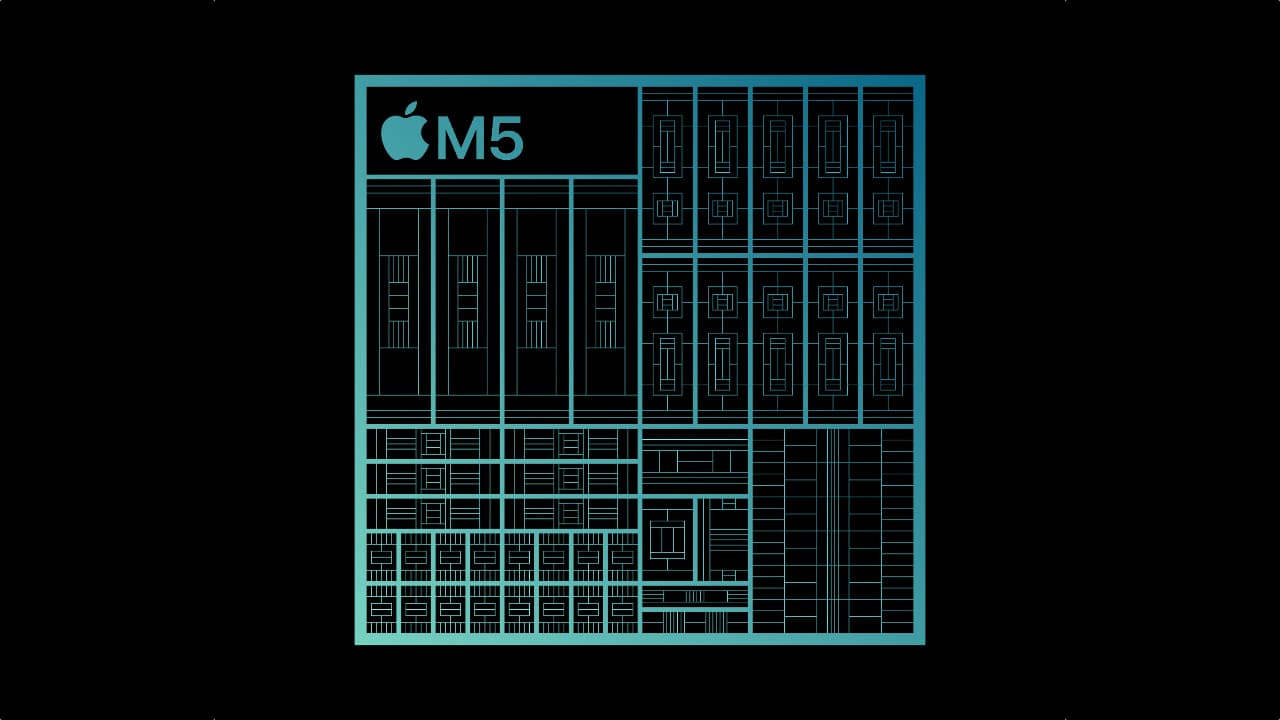
Apple says the next-generation GPU and enhanced shader cores achieve up to 30% faster performance than M4 and up to 2.5x faster performance than M1. Meanwhile, the third-generation ray-tracing engine it ships with provides up to a 45% graphics uplift in apps using ray tracing.
"Combined with rearchitected second-generation dynamic caching, the GPU provides smoother gameplay, more realistic visuals in 3D applications, and faster rendering times for complex graphics projects and other visually intensive applications," says the company.
Here's what you can buy it in.
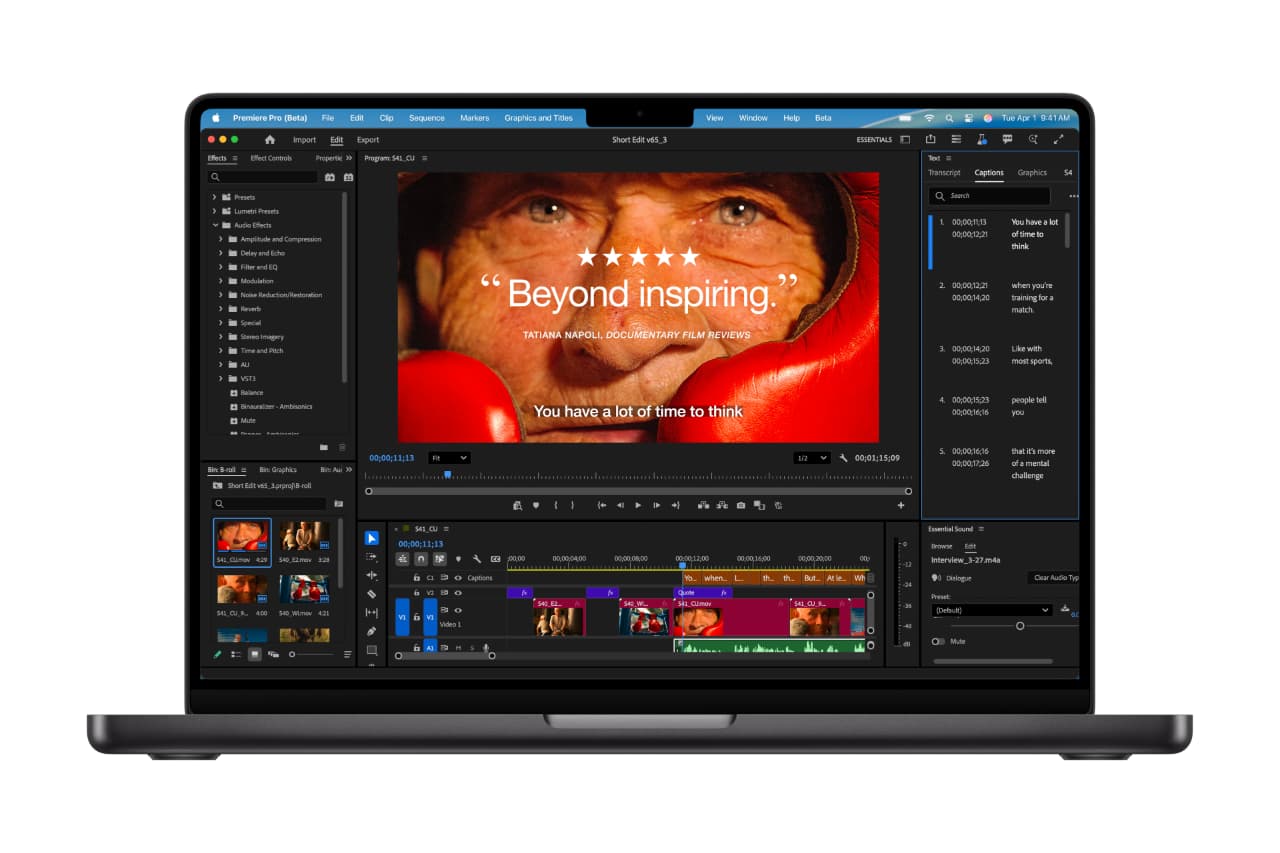
Apple has sketched out some more performance gain benchmarks for the new M5-powered 14-Inch MacBook Pro. Here's how it measures up to the 14-inch MacBook Pro with M4
It also gives some performance comparisons to Intel-based machines, which are interesting for historic reasons if nothing else: up to 86x faster AI performance, up to 30x faster GPU performance with ray tracing, and up to 5.5x faster CPU performance. M1 upgraders meanwhile will see up to 6x faster AI performance, up to 6.8x faster GPU performance with ray tracing, and up to 2x faster CPU performance.
It's a very iterative release in that nothing has really changed between this year's model and the M4 generation. You get the same screen, battery, speakers, webcam, ports etc. You also get the same price, which is rather welcome. It starts at $1599. One other differentiator is the introduction of a 4 TB SSD option, but at $1200 that's going to be of limited interest.
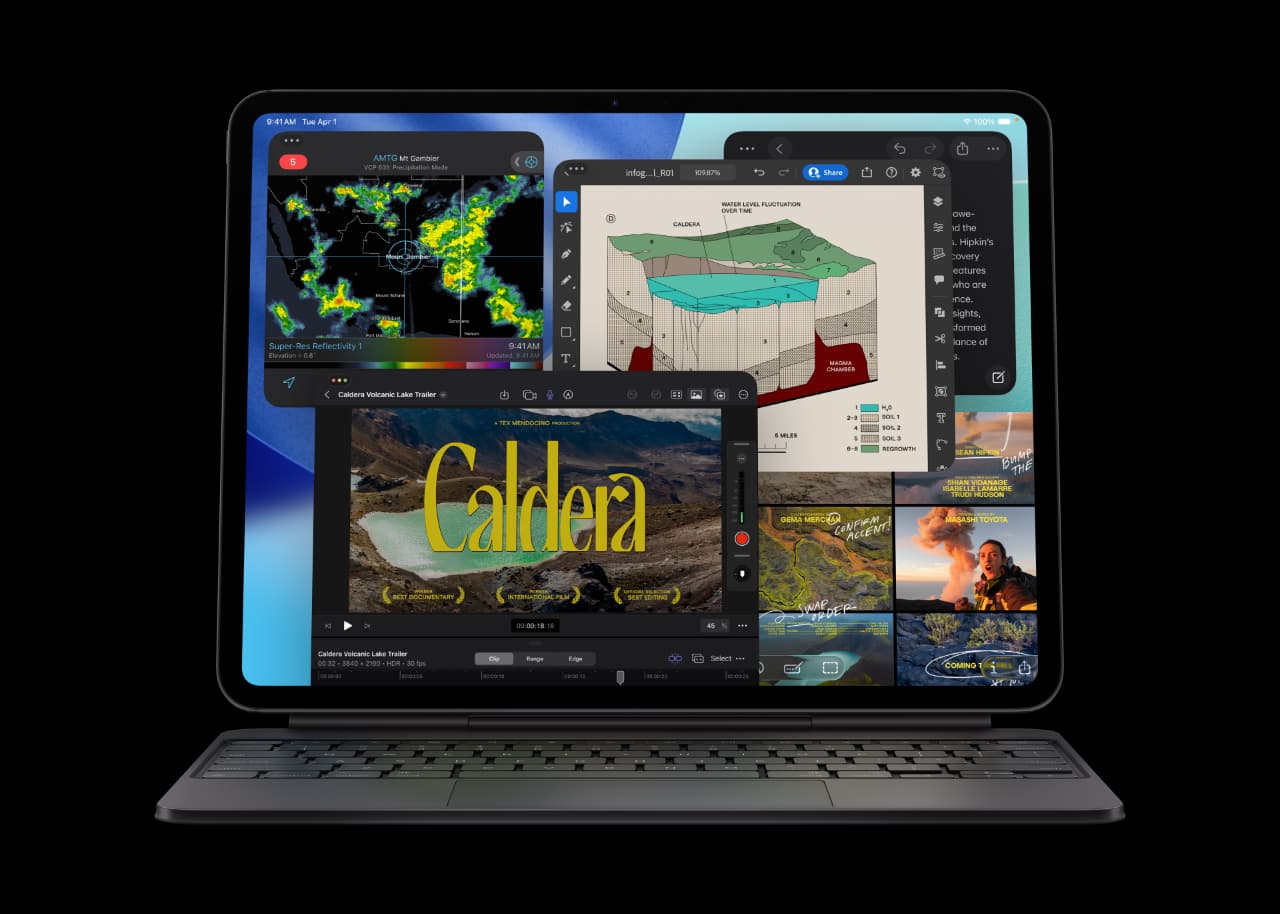
Arguably, the M5 iPad Pro is the pick of the new releases as it has some internal upgrades alongside the new M5 silicon.
That includes two new chips over last year's model. N1, the new Apple-designed wireless networking chip, enables the latest generation of wireless technologies with support for WiFi 7. And the C1X modem is the standard for the cellular models, delivering up to 50% faster cellular data performance than its predecessor with even greater efficiency, allowing users to do more on the go.
Read and write speeds to memory have been boosted, unified memory bandwidth gets a 30% hike over 2024, and the Pro even supports fast charging of up to 50% in about 30 minutes.
Again, here are some relevant benchmarks
So, again, not much of a reason to switch to a yearly upgrade cycle, but space it out to four years and it starts to make sense. Prices here have remained the same too: the 11-inch model starts at $999, and the 13-inch Pro at $1299. What's new this year though, of course, is iPadOS 26 which gives the machine proper multitasking and makes it far more similar to a MacBook in the way it operates.
Add in the Magic Keyboard and you have a machine that's verging on the MacBook's capabilities. The choice then largely becomes about which form factor you prefer.
Even Apple seems to have realised that it's rather flogging a dead horse here, and multiple reports have it pivoting from coming up with a cheaper mid-range successor to the Vision Pro to producing AR glasses that can rival Meta's latest.
But having ploughed billions into the Vision Pro project, it would be churlish not to at least improve it when new tech came along.
M5 silicon means that 10% more pixels are rendered with the micro-OLED displays, and there's an increased, 120Hz refresh rate, up 20% on the original. The 16-core Neural Engine makes AI-powered features run up to 50% faster for system experiences — like capturing a Persona or transforming photos into spatial scenes — and up to 2x faster for third-party apps compared to the previous generation.
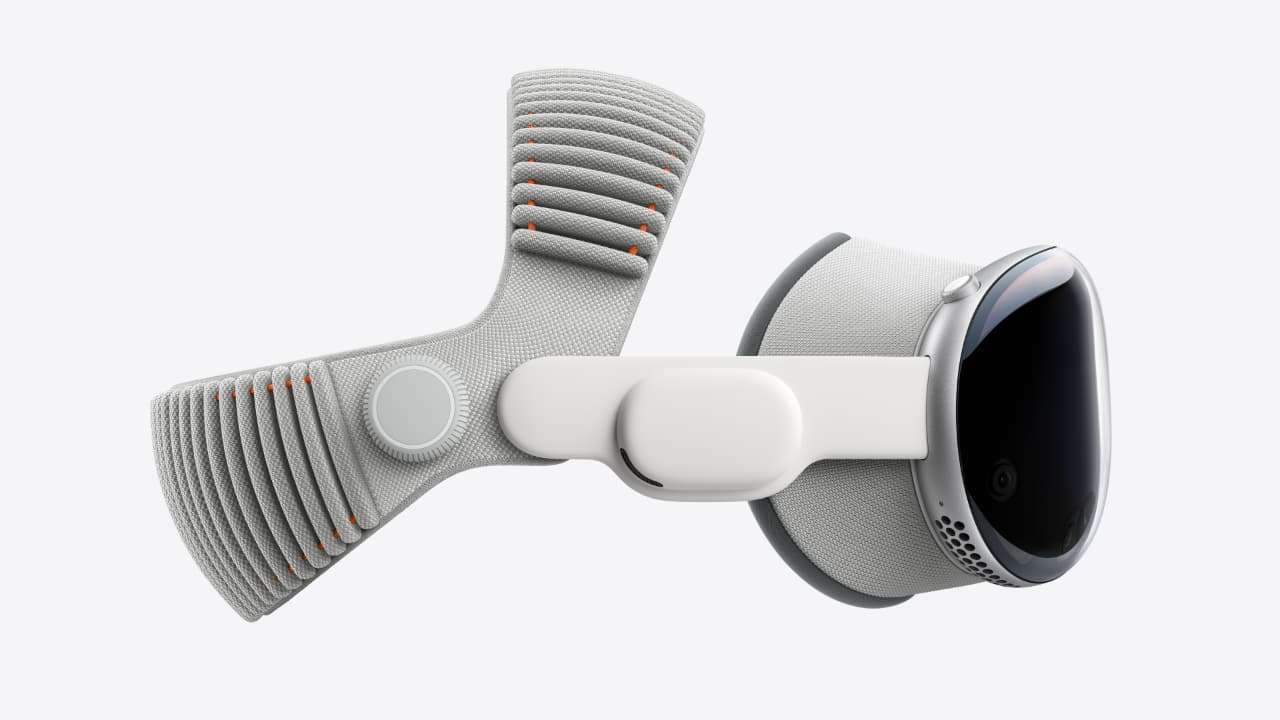
The unit's ongoing issues are reflected in the fact that the other major new upgrade for it is the Dual Knit Band. This features upper and lower straps that are 3D-knitted as a single piece to create a unique dual-rib structure that provides improved cushioning, breathability, and stretch.
Again, price stays the same at $3499, though in this case this is perhaps less welcome news. The Dual Knit Band is $99 on its own.
Tags: Post & VFX Technology Apple


RedShark 2020 @ All rights reserved.

Comments