1 minute read

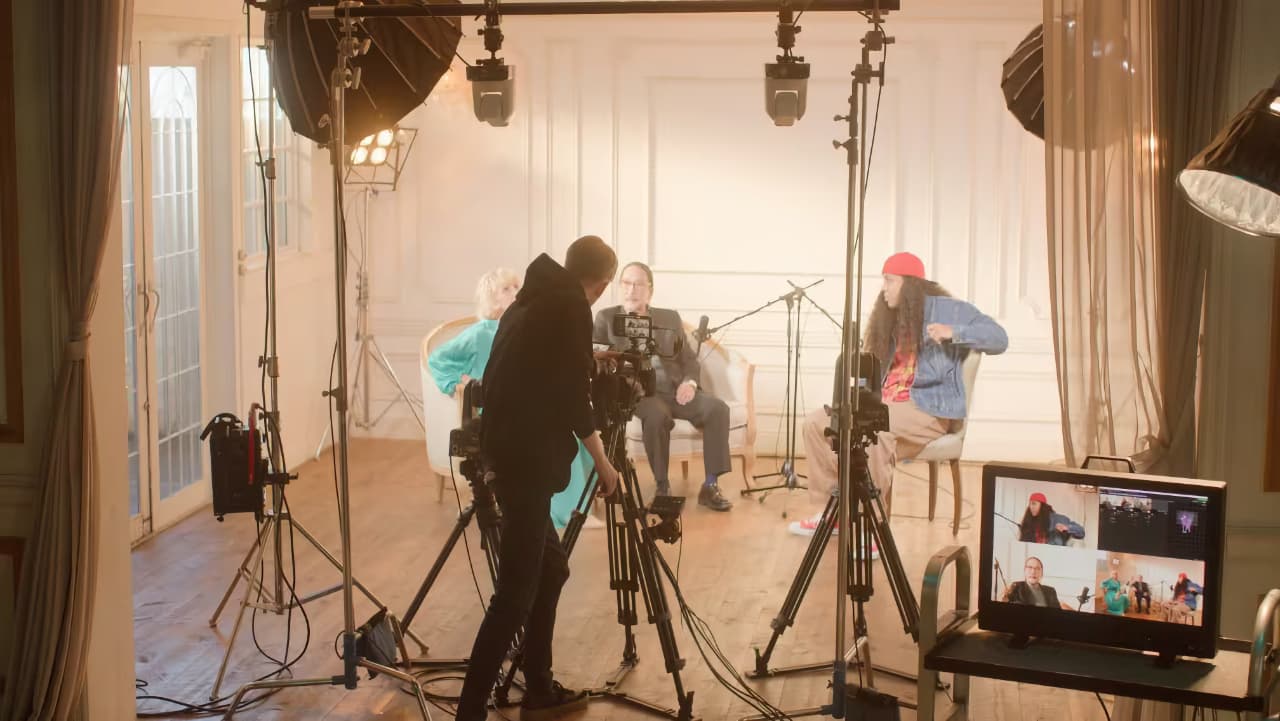
Canon has announced Multi-Camera Orchestration, a new system designed to let a single operator run a professional multi-camera production using its PTZ cameras.
Aimed at live environments such as podcasts, news, talk shows, and studio programming, Canon's new Multi-Camera Orchestration (MCO) links multiple sub-cameras to one designated main camera. Once set up, the sub-cameras automatically respond to the main camera’s pan, tilt, and zoom movements while maintaining predefined roles. This should allow for coordinated multi-angle coverage without the need for manual reprogramming during a live shoot.
Canon says the system provides reliable subject tracking through the use of overhead cameras. Unlike traditional auto-tracking, Canon says the MCO handles fast movement and tight zooms by detecting subject positions from above and guiding cameras back automatically with no resets or manual searching required.
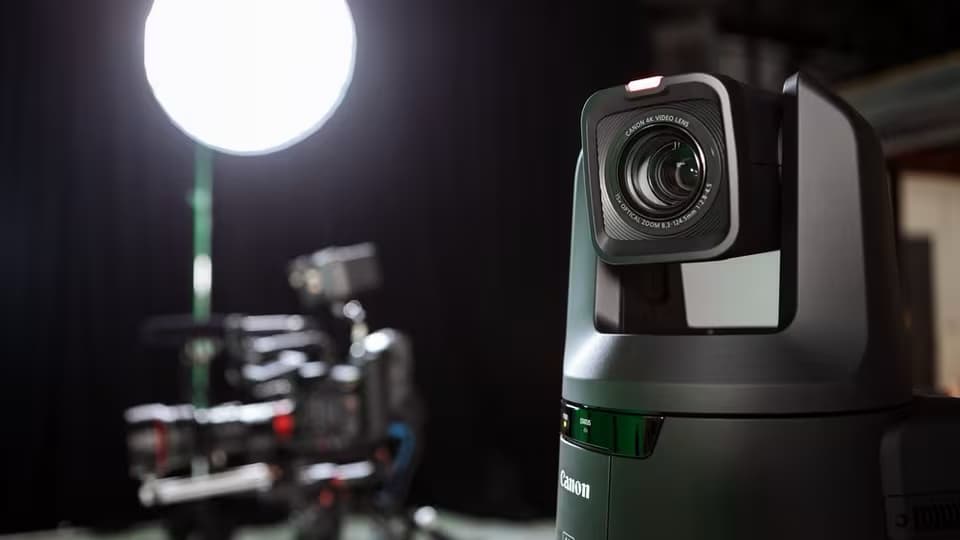
MCO also includes on-air shot locking to prevent unwanted movement during live output, along with custom no-track zones to ensure cameras ignore irrelevant areas and stay focused on key parts of the scene.
Key features include single-operator multi-camera control, role-based presets for instant switching between camera behaviours, automated alternative angles and group shots, overhead-assisted tracking, and workflow tools intended to reduce setup time.
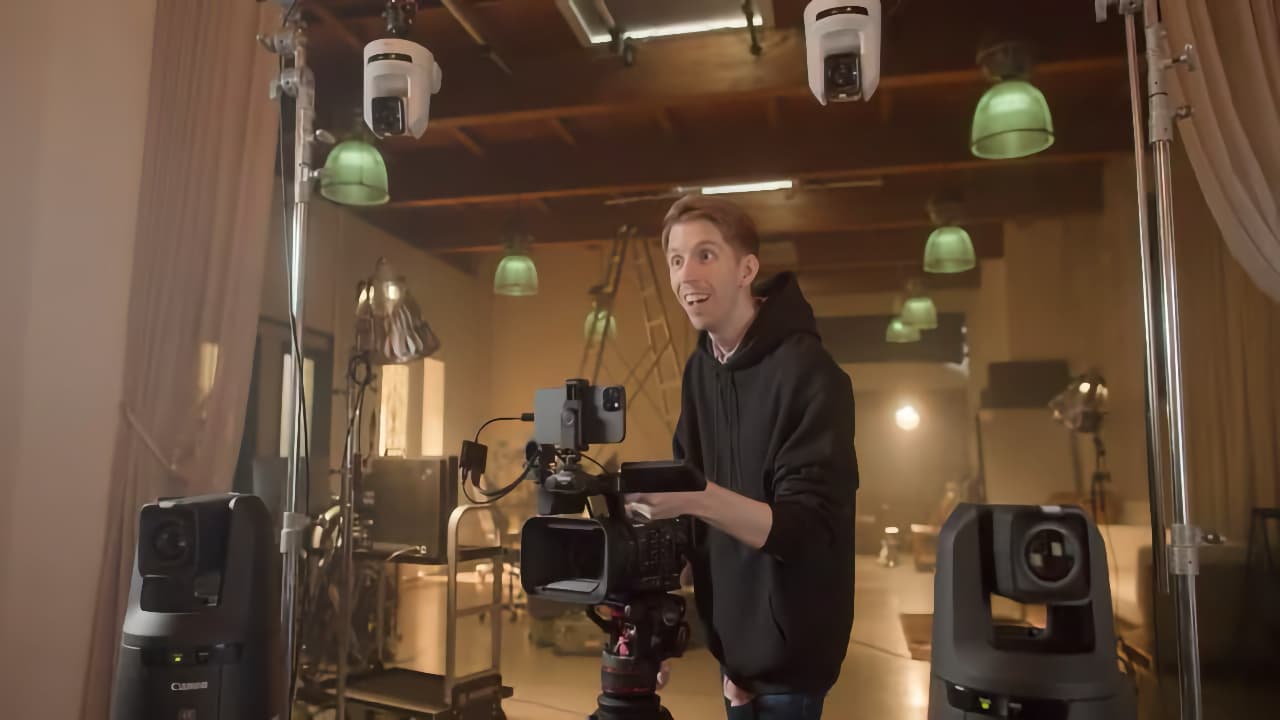 Multi-Camera Orchestration is a paid solution unlocked via software download. License pricing has been reported as €6000 per year (approx $7000), though there is a 30-day free trial. Compatible PTZ cameras include the CR N700, CR N500, CR N400, CR N350, CR N300, and CR N100. Canon documents confirm that "In addition to the main camera for shooting, two remote cameras for overhead views are required."
It will all be demonstrated on Canon’s stand at ISE 2026, running next week at Fira de Barcelona in Spain, though, so more details should emerge then.
Tags: Production Canon PTZ cameras


RedShark 2020 @ All rights reserved.

Comments