3 minute read

Why filmmaking needs tools built for storytellers, not just technologists — connecting set, studio, and decision-makers for better collaboration. By Phil Oatley.
This is a thought leadership piece sent in to us by the team at RePro Stream but addresses enough interesting points that we left it largely as is, especially its point that AI on its own is not a panacea for all known production ills. Ed.
As production timelines accelerate and creative ambition grows, there’s a widening gap between what happens on set and the decisions being made off it. Creative stakeholders, on-set and production crews, studio executives, and post-production teams are often operating with delayed or partial information, a challenge that slows everything down and can compromise both efficiency and storytelling.
This disconnect isn’t due to a lack of tools; it’s the result of tools that weren’t designed for storytellers. Having spent over three decades in creative technology for film and TV, from Park Road Post and Technicolor to Netflix, I’ve seen the same pattern repeat: production is a deeply collaborative, human experience, and our technology should reflect that.
The myth we often hear is that technology will solve all our workflow problems. But in truth, filmmaking isn’t about technology. It’s about the story.
Most tools on the market today are optimised for technical tasks — such as storage, colour pipelines, and encoding — rather than the creative decisions that drive storytelling. They’re often designed for post-production phases, not for the daily realities of the production as a whole. The result? Directors, DPs, and producers still rely on disjointed channels and fragmented tools to communicate with stakeholders, review scenes, or pass feedback upstream.
Instead, we need platforms that empower creatives without requiring them to become technologists. The aim isn’t to reduce the number of people on set or replace them — it’s to connect them, wherever they are, and reduce the overhead of inefficient feedback loops.
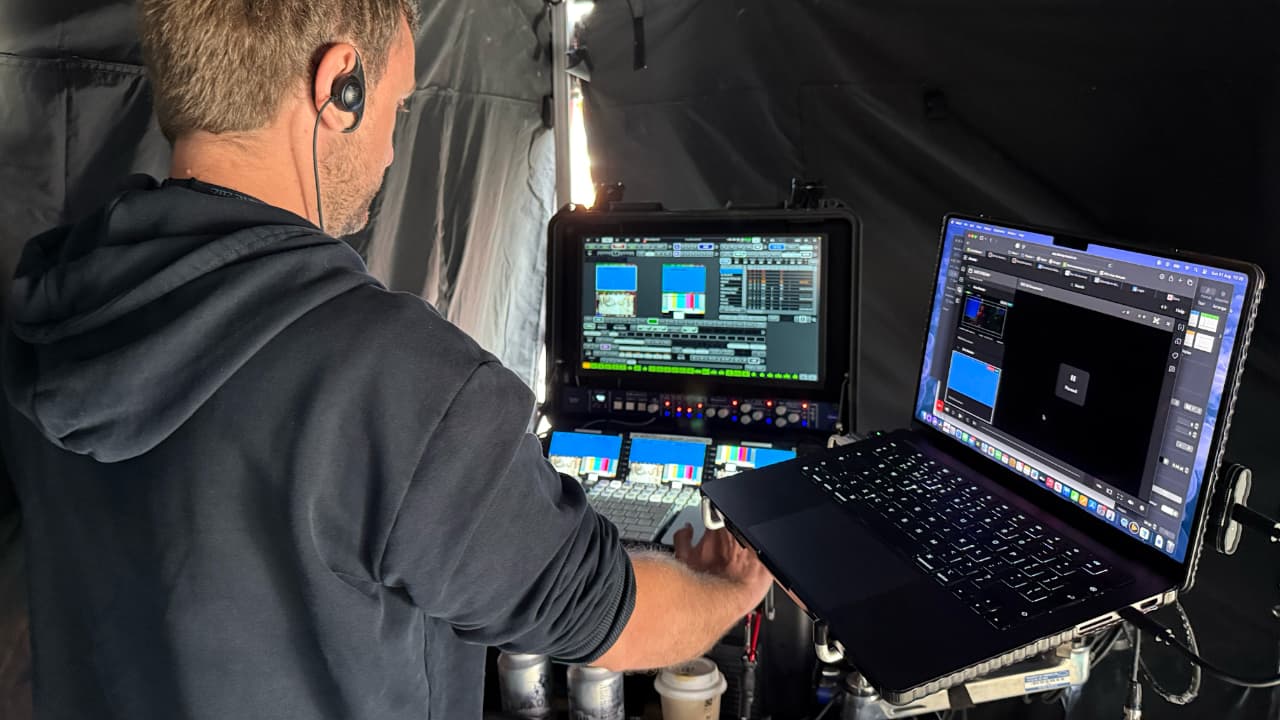 Ask any production manager, and they’ll tell you that the biggest bottleneck isn’t rendering or logistics, it’s communication. If a studio executive wants to weigh in on a scene being shot across the world, they still have to wait for dailies, emails, or a Zoom call. For the departments on set — hair, makeup, continuity, art direction — getting timely visual feedback often means interrupting someone else’s workflow.
During my time at Netflix, this was a constant challenge. Teams were flying across continents to be present for shoots, just to provide real-time input, often because the tools available didn’t offer reliable, secure, and high-fidelity ways to collaborate remotely. It wasn’t sustainable.
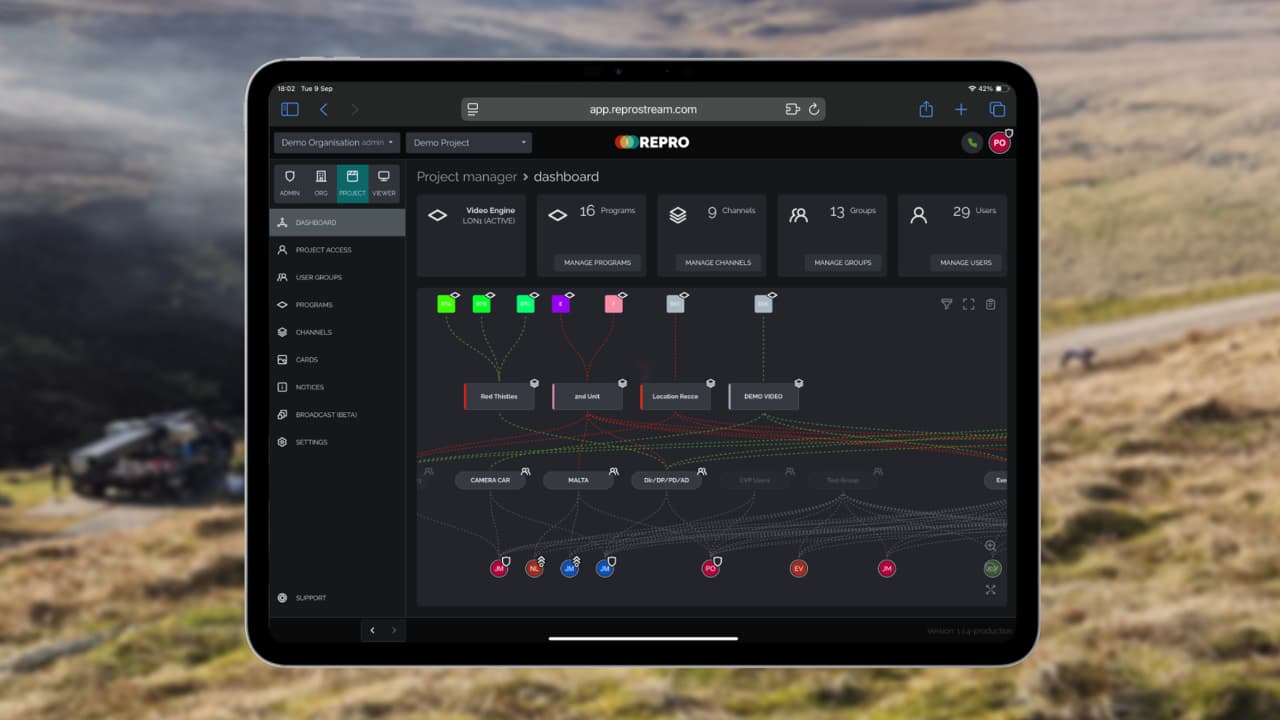
That’s the reason I joined RePro. When I saw what the platform could do — live-streaming from set to studio with ultra-low latency, end-to-end encryption, and seamless collaboration — I thought: “Why didn’t I have this when I needed it most?”. What inspires me even more is where it’s heading: building a solution that challenges the status quo and supports filmmakers in the way they really work.
A film or a TV production isn’t just made of pictures and sound; it’s the product of hundreds of decisions made by dozens of departments. And yet, most tools only serve the imaging chain: camera, editorial, post.
Where are the tools that also serve the director, script supervisor, the costume designer, hair and make-up, and the production designer?
The most urgent challenge today isn’t technology itself; it’s how to unify all departments around a single creative source of truth. I believe that’s where the next major gains in speed, cohesion, and storytelling will come from.
When I started in this industry, we scanned film reels and finished them digitally before recording back to celluloid. At the time, data was the mountain to climb. Today, we have desktop tools that can outperform what once required entire racks of hardware.
But as computing power has grown, so too has complexity. Higher-quality output has become the norm, and that pushes workflows to their limits. The challenge now isn’t data, it’s managing the volume of creative input and communication across global teams with finite time and budget.
That’s why I believe the next wave of innovation won’t just come from AI or automation (though those will matter). It will come from solving one of the oldest problems in film and TV: how to let people work together without stepping on each other’s toes.
The industry has always swung between embracing innovation and returning to tradition. We may get excited about virtual production or generative tools, but at the end of the day, filmmakers crave something that simply works, something that helps them tell better stories, more cohesively, with fewer compromises.
So, rather than asking “What can AI do for us?”, perhaps we should start by asking: What’s still getting in the way of good collaboration? And what kind of tools would creative teams actually want to use, every day, under pressure?
Empowering teams with the right tools is how we move from fragmented workflows to focused, creative momentum.
Phil Oatley is CEO of RePro Stream, a live-streaming and media collaboration platform connecting every stage of production, from on-set crews to executive decision-makers, and has over 30 years of experience in creative technology for film and TV, including roles at Netflix, Technicolor, and Park Road Post.
Tags: Production Workflow Repro Stream


RedShark 2020 @ All rights reserved.

Comments